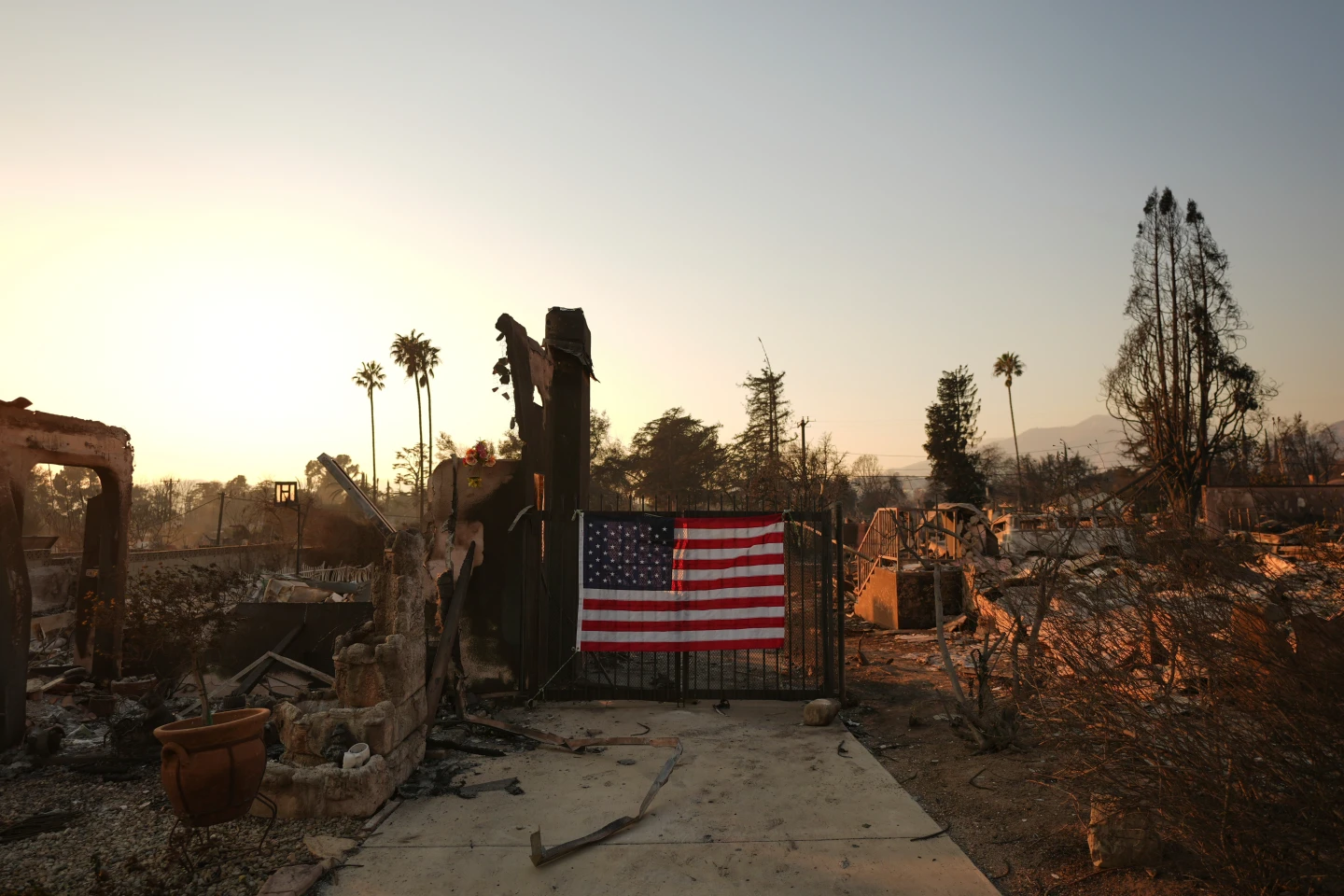
Thousands of survivors of the 2025 Eaton Fire in Altadena, California, are opting for immediate settlements from the accused utility as they aim to start rebuilding their lives. However, a looming tax bill threatens to diminish these payouts significantly, raising fears of additional financial strain.
“There was this terrifying disbelief,” related Bree Jensen, communications director for the Eaton Fire Long-Term Recovery Group, as they learned about the potential tax implications. Many survivors, who have already faced the hardships of losing their homes, face uncertainty as they navigate both financial recovery and legal battles against the utility.
Currently, legislation is being considered in Congress that would exempt wildfire settlements from being taxed, which could substantially impact payouts. The bill has passed out of committee, yet the timeline for a vote in the House and Senate remains unclear, leaving many victims in financial limbo.
One homeowner from Altadena, who requested anonymity, highlighted their cautious approach to rebuilding: “We have to assume we don’t have that money, so we’re making decisions, choosing cheaper materials.” They estimate that if taxed as income, around 37% could be deducted from their expected settlement of about $700,000.
Across the states of Colorado, Hawaii, and Oregon, wildfire survivors face similar predicaments, grappling with the fiscal consequences of their settlements amidst expiring tax exemptions that were previously shielding such payouts.
As efforts to move the supplemental funding bill forward continue, many survivors express deep concerns that lawmakers may deprioritize disaster relief amidst broader political struggles. “People have low expectations of anything actually getting done,” voiced Jenn Kaaoush, a survivor and council member in Superior, Colorado.
Compensation from the utilities has become pivotal to the rebuilding process, especially as construction costs surge and obtaining insurance becomes increasingly challenging. Attorney Doug Boxer, representing many victims, attests, “It’s the difference between towns getting rebuilt and not getting rebuilt.”
Survivors await what they perceive as a slow-moving legislative process, while also dealing with ongoing litigation against the utility responsible for the Eaton Fire. As of now, compensation applications have been filed by over 2,800 households, but an investigation regarding the fire's cause continues.
As the reality of tax burdens haunts those impacted by the wildfire, Jensen stresses that the true costs of rebuilding far exceed the settlement figures: “It sounds like a lot of money, but not in regards to how expensive it is to actually build in the community.”