As household electricity prices climb, utility control elections are attracting unusual political fervor across the U.S., particularly in states like Arizona and Alabama. Last year's competitive races in Georgia, New Jersey, and Virginia have created a blueprint for this year's contests, signaling a shift towards more active voter participation.
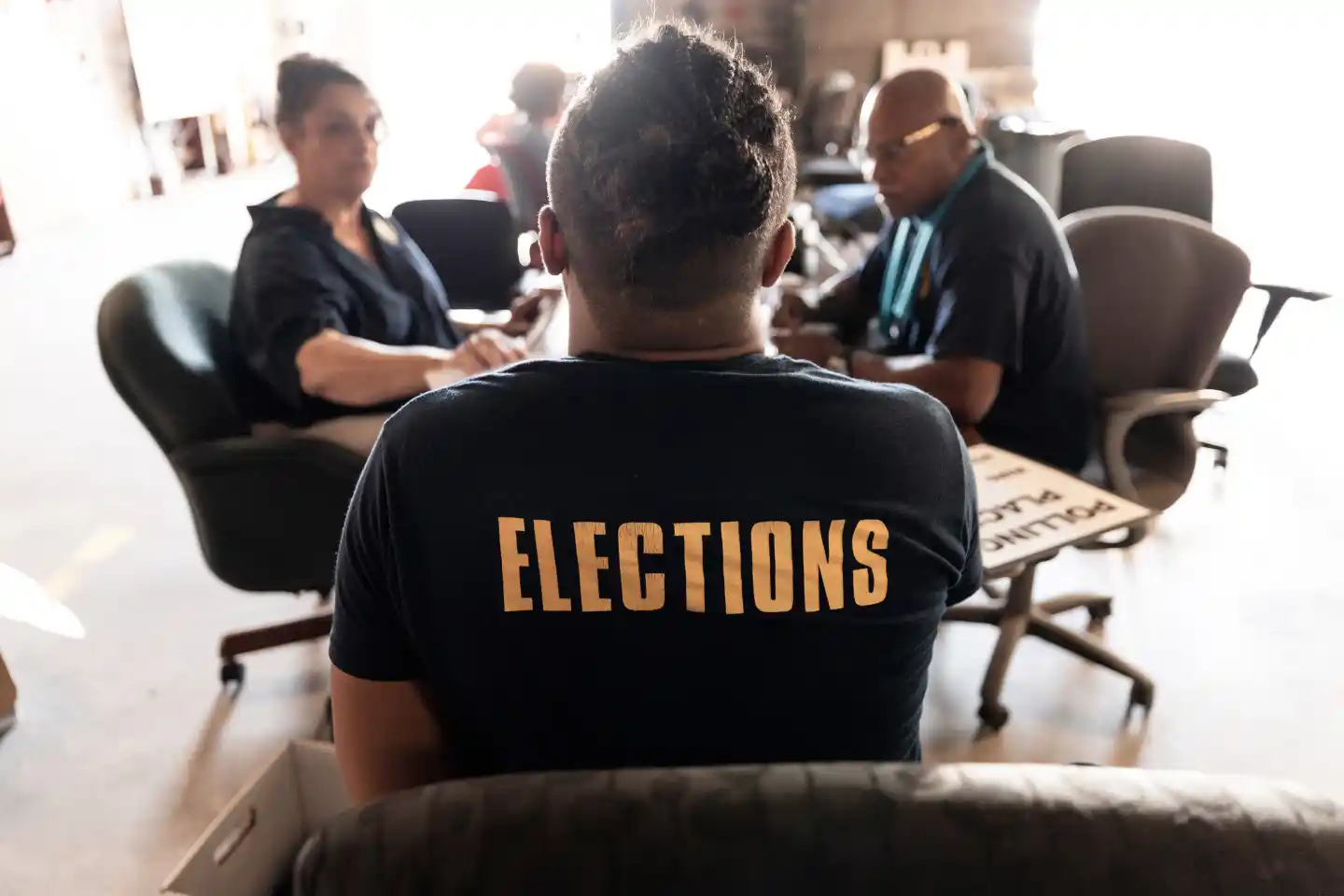
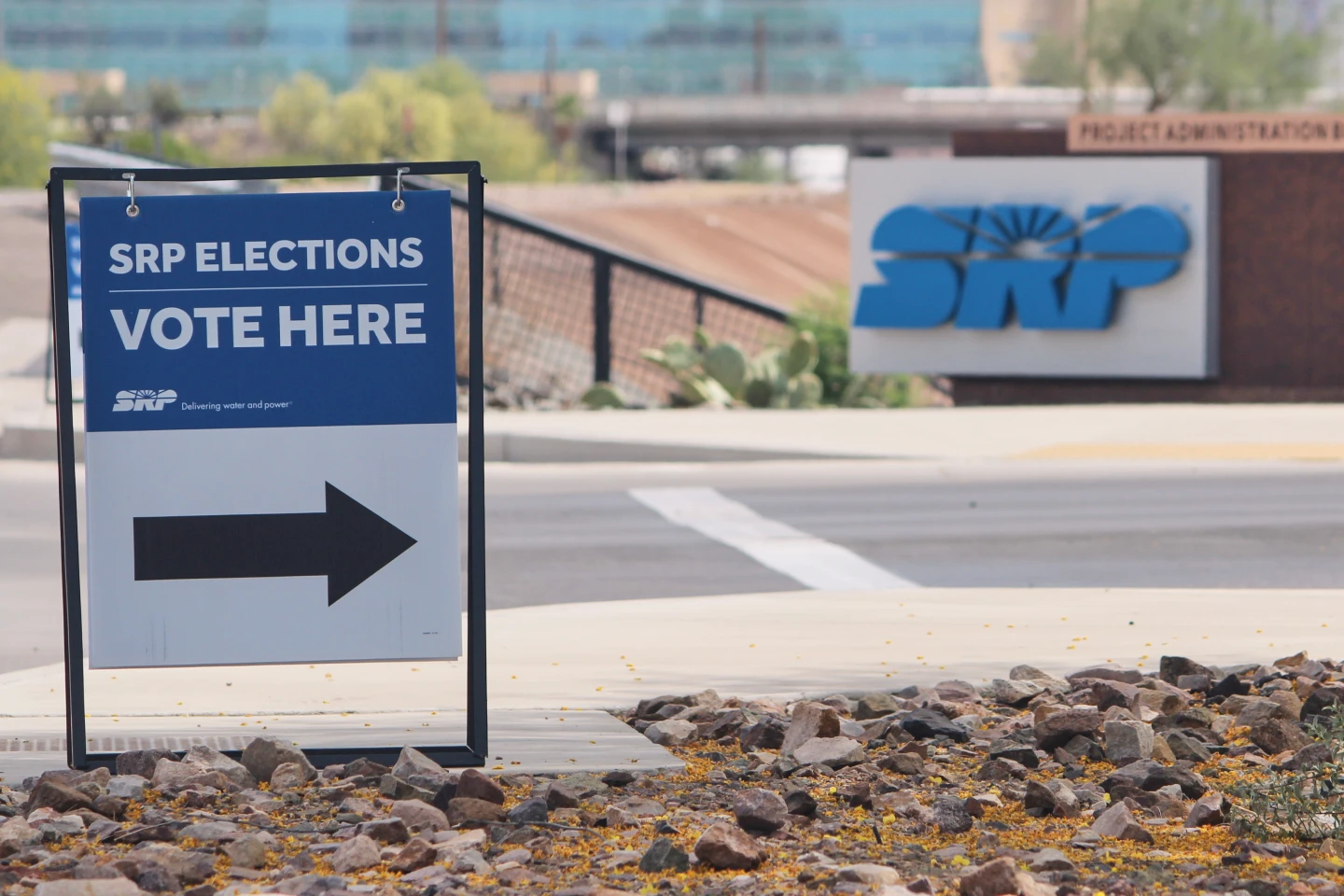
In Arizona, the Salt River Project, the largest public utility in the U.S., faces an influx of voter engagement as over three times as many residents have requested early ballots compared to previous elections. National groups, such as Turning Point Action, are mobilizing to influence these elections by advocating against what they describe as excessive environmental regulations.
The rising demand for energy, particularly in fast-growing regions like the Phoenix area, complicates matters. The need for increased utility capacity is juxtaposed with pressures to transition toward renewable energy sources. Local groups representing various interests, including those linked to climate initiatives and business development, are going head-to-head in candidate support.
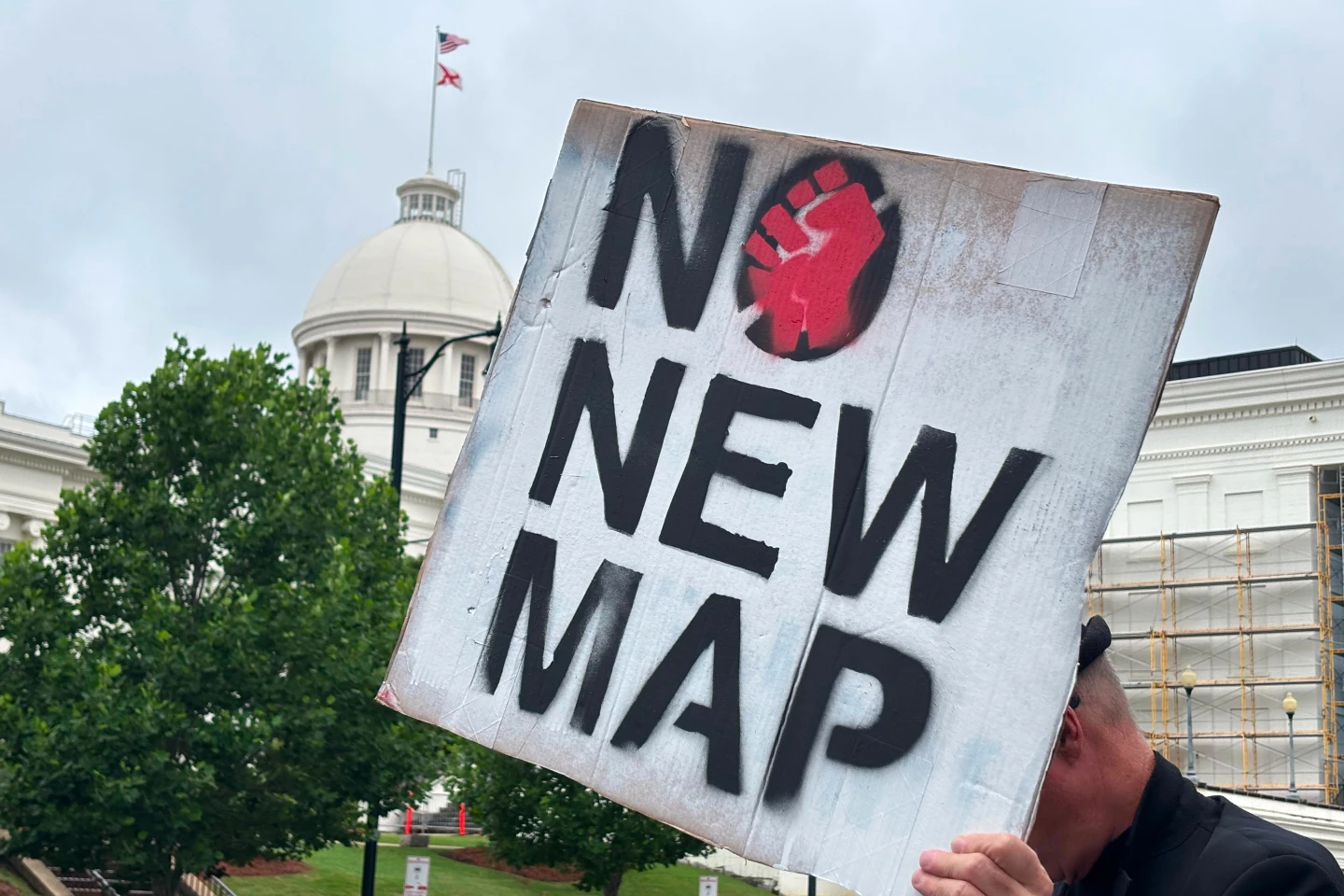
Meanwhile, in Alabama, where residents grapple with some of the highest energy rates in the South, state lawmakers are restructuring the Alabama Public Service Commission. This move is seen by many as a potential attempt by Republicans to assert control ahead of impending elections that could challenge the established order, echoing the Democratic successes seen in Georgia.
As utility elections unfold, they highlight the growing intersection of local governance and national energy policy discussions. Increased voter turnout and varied campaign strategies indicate that these races will not only shape energy futures in their respective states but also reflect broader national debates on energy affordability and sustainability.