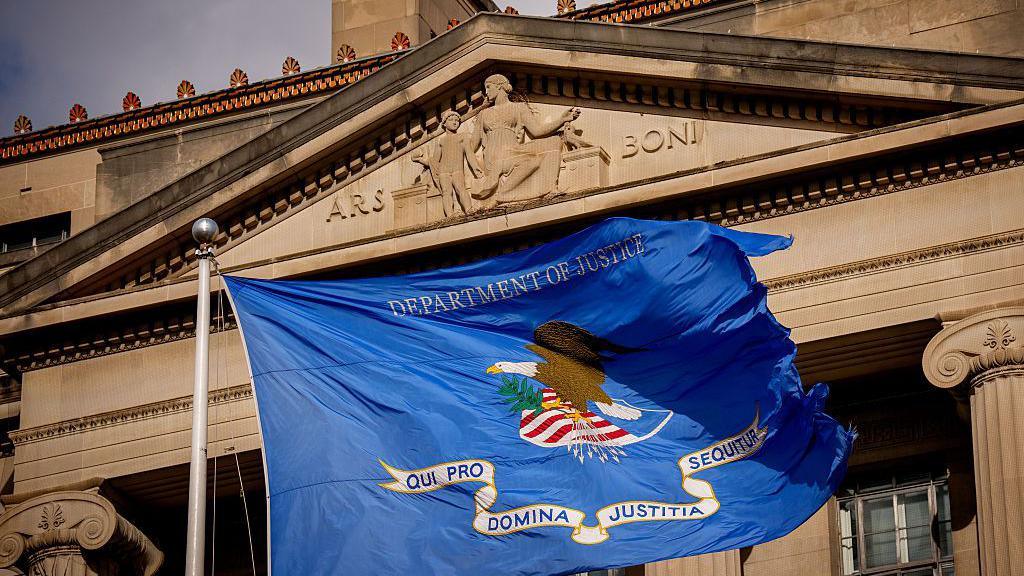
The Southern Poverty Law Center (SPLC), a prominent civil rights advocate, is currently under investigation by the U.S. Department of Justice over its historical practice of using paid informants to infiltrate extremist organizations. This development emerges amidst growing concerns about the legality and ethical ramifications of such tactics.
CEO Bryan Fair stated that the informants played a critical role in monitoring extremist activities and that the information they gathered was often shared with the FBI and other law enforcement agencies. However, the SPLC now faces potential charges related to these practices.
Established to Uphold Civil Rights
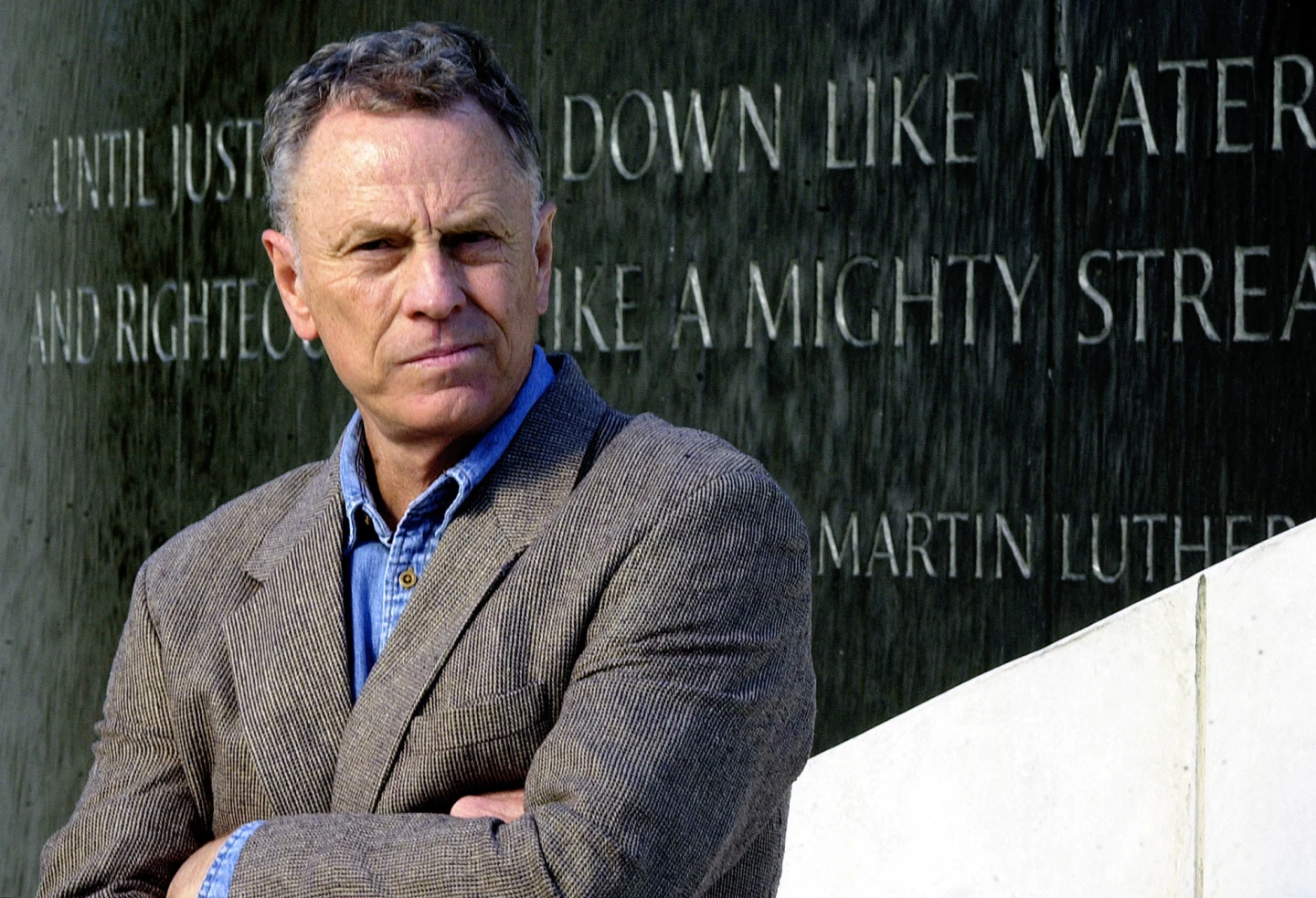
Founded in 1971 by Alabama attorney Morris Dees, the SPLC aimed to provide legal representation to the impoverished and disenfranchised, focusing on civil rights issues arising in the wake of Jim Crow era laws. The organization has historically fought against discrimination, winning significant legal battles that led to the desegregation of facilities and police forces in Alabama.
Tracking Hate Groups
Throughout the 1980s, the SPLC expanded its focus to monitor hate groups, originally concentrating on the Ku Klux Klan under an initiative called Klanwatch. Although controversial, this work became part of the SPLC's Intelligence Project, which faced backlash and even violent repercussions from extremists angered by the monitoring efforts.
Funding and Criticism
The SPLC's funding predominantly comes from donations, leading to an endowment of nearly $732 million as of last October. However, the organization's classification of certain groups as hate organizations has spurred criticism, particularly from conservatives who argue that it unjustly tarnishes groups with alternative views. Following the assassination of conservative figure Charlie Kirk, the FBI announced it would end its partnership with the SPLC, citing concerns that the organization had become overly partisan.
As the investigation unfolds, questions remain regarding the implications for the SPLC's future and its role in civil rights advocacy amidst the increasingly polarized climate surrounding issues of free speech and societal values.