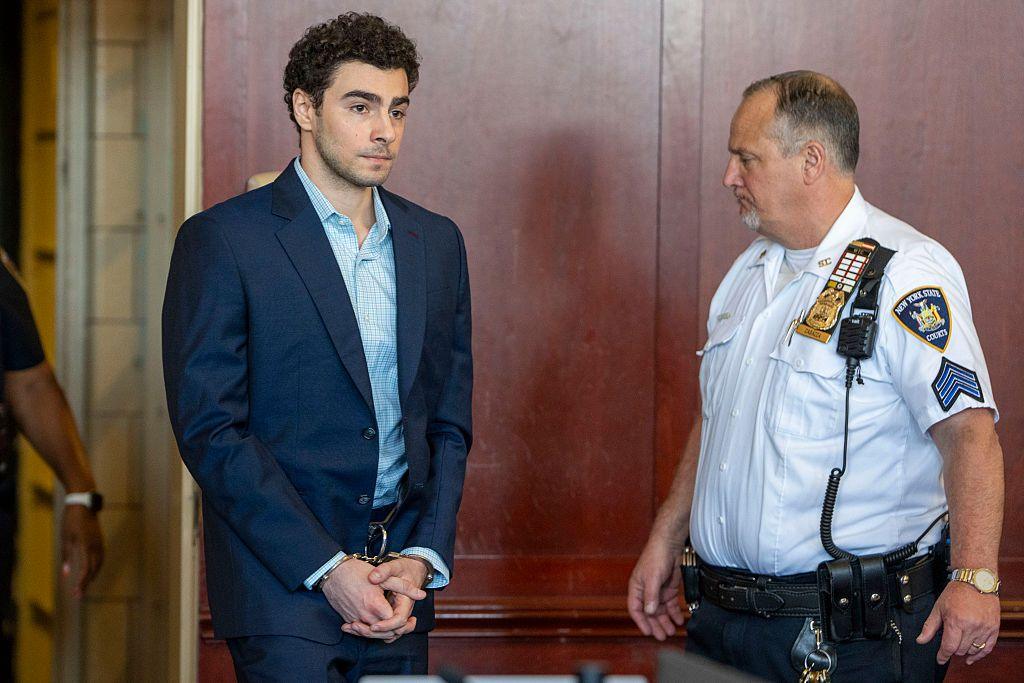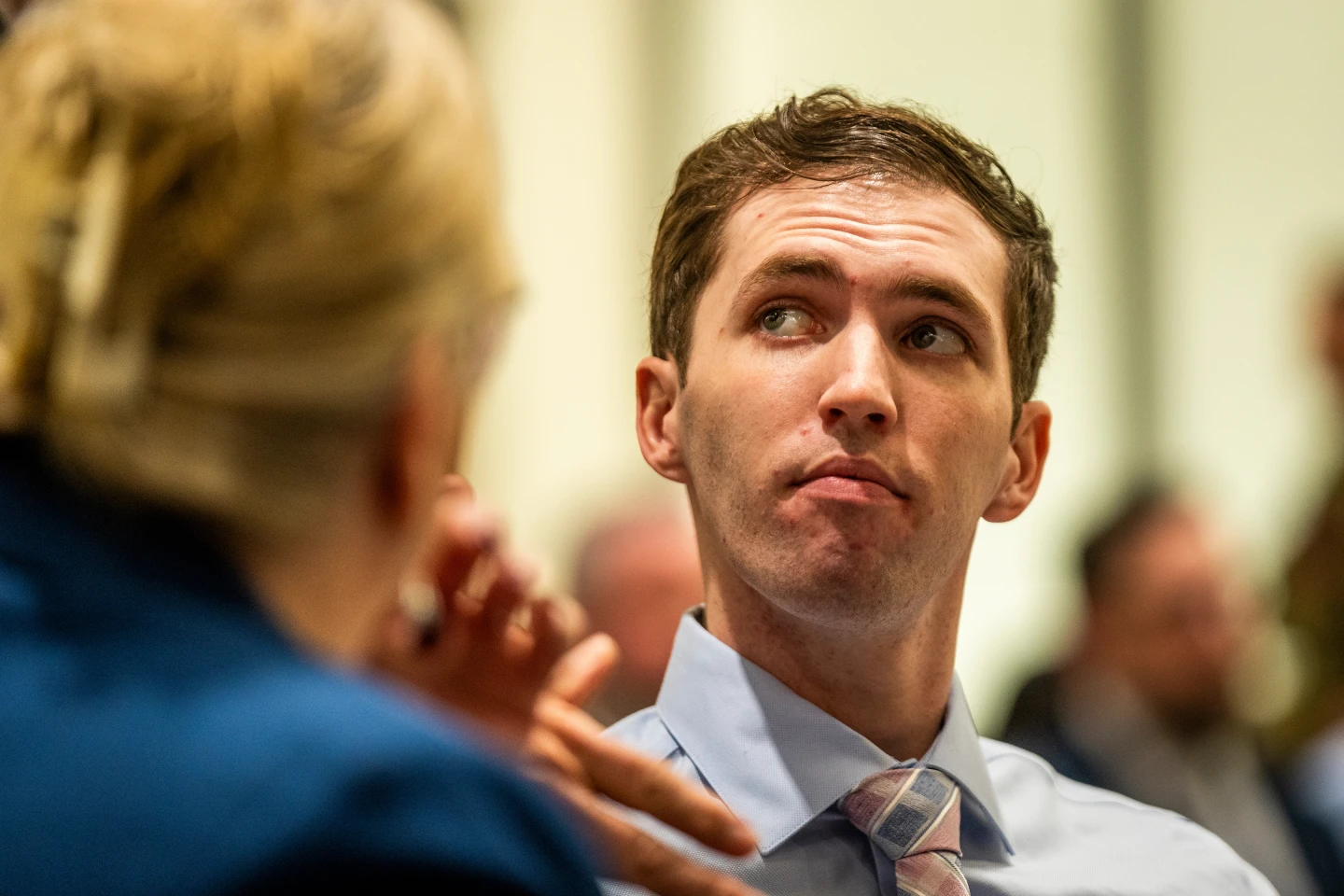
SALT LAKE CITY (AP) — Tyler Robinson, accused of killing Charlie Kirk, is petitioning a judge to ban cameras from the courtroom, arguing that ongoing live broadcasts violate his right to a fair trial. Robinson's court appearance is scheduled for Friday as his legal team asserts that sensational media coverage is negatively impacting potential jurors in his aggravated murder case.
Robinson's attorneys have highlighted instances where reports, such as a piece in the New York Post, wrongly suggested he admitted guilt during a previous hearing. They claimed that the coverage primarily serves sensationalist ends rather than factual reporting, which they assert could bias potential jurors against Robinson.
Additionally, if convicted, prosecutors plan to seek the death penalty for Robinson in connection with the shooting of Charlie Kirk, a prominent conservative activist, during an event at Utah Valley University. Kirk was addressing a crowd of thousands when he was shot on September 10th.
The media frenzy around the case has led to mixed representations, with some outlets highlighting potential exonerating evidence while others emphasize the severity of the charges. For instance, a Daily Mail headline mentioned that the bullet allegedly used by Robinson did not match initial forensic findings, thus raising questions regarding his involvement.
Media organizations, alongside prosecutors and Kirk’s widow, advocate for maintaining camera access in the courtroom as a means of transparency to counter misinformation. Judge Tony Graf has already expressed concerns regarding the media’s portrayal of proceedings, previously altering camera angles to maintain courtroom decorum.
Robinson, who turned 23 just days before this court date, has yet to enter a formal plea, and his defense team continues to navigate challenges posed by public attention and courtroom procedures. The complexities of the trial are further highlighted by DNA evidence that prosecutors claim links Robinson to the crime scene and conflicting analyses from forensic experts regarding the evidence collected.