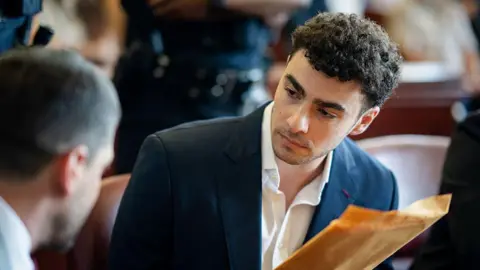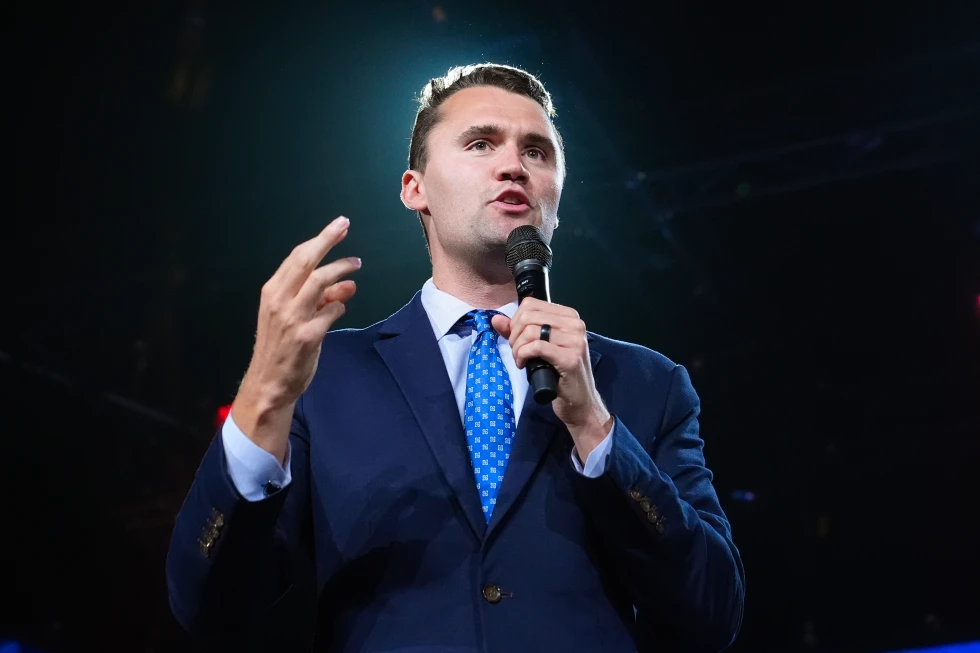
Graphic videos depicting the assassination of conservative activist Charlie Kirk have gained millions of views after circulating online, leading to a contentious legal battle over their use in court. The charged individual, Tyler Robinson, faces the death penalty, and his attorneys are requesting that a state judge prevent these graphic materials from being shown during upcoming hearings.
Kirk's widow and the prosecution argue that preventing media coverage undermines public transparency and can lead to misinformation. Erika Kirk’s attorney emphasized that transparency is crucial to maintain public trust in the judicial process.
Legal analysts like Cornell Law School's Valerie Hans point out that the defense’s concerns about media bias are legitimate, especially in high-profile cases, where prior media exposure can influence jurors' judgments.
As the legal proceedings unfold, the defense is also attempting to challenge the involvement of local prosecutors, claiming potential conflicts of interest stemming from personal connections to the incident.
Prosecutors, while acknowledging the case’s notoriety, believe that maintaining an open court process is vital, arguing that any limitations imposed could ultimately harm the integrity of justice.
“Allowing such transparency will foster a healthier judicial process, as this case is inherently in the public eye,” said a representative from the prosecution.