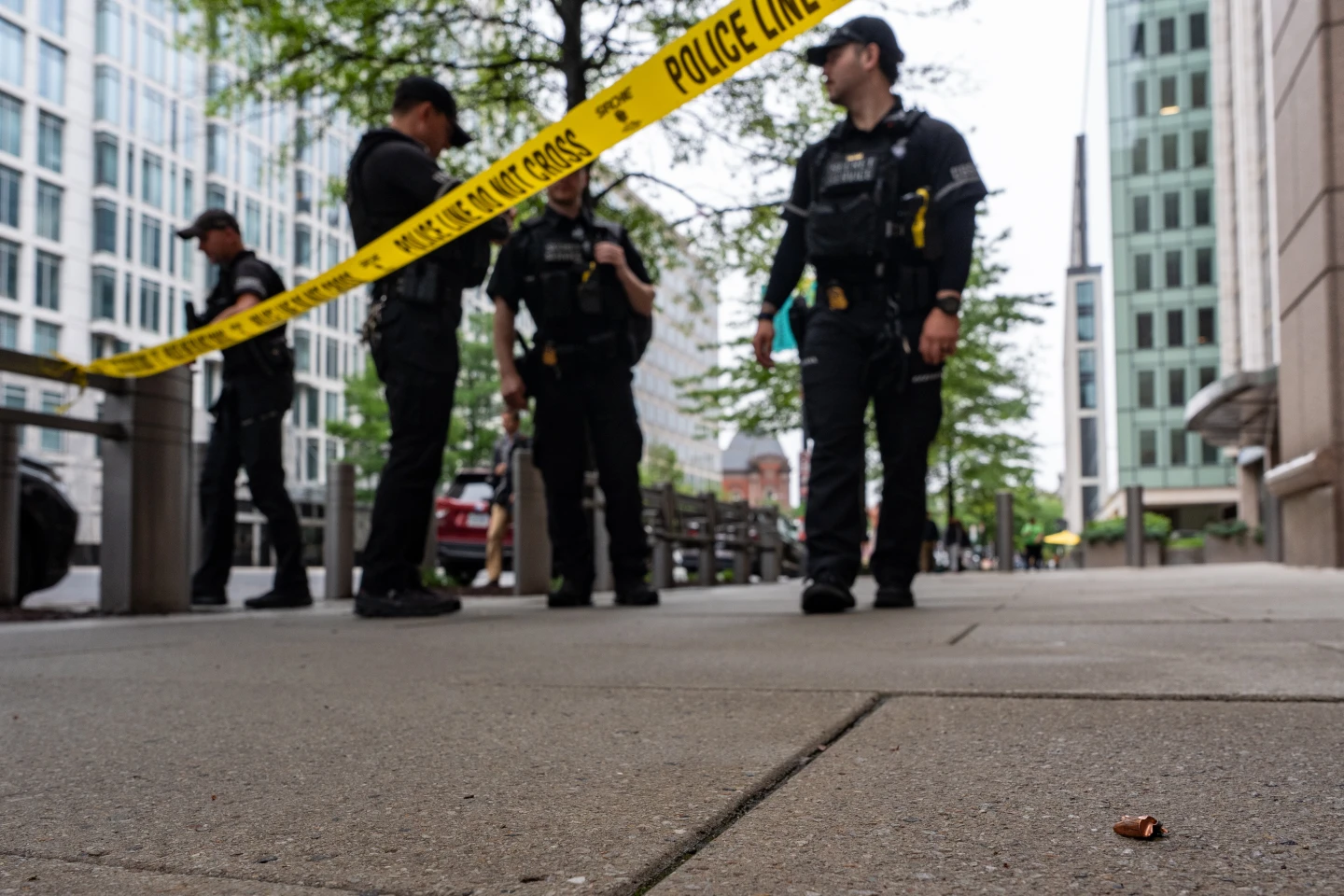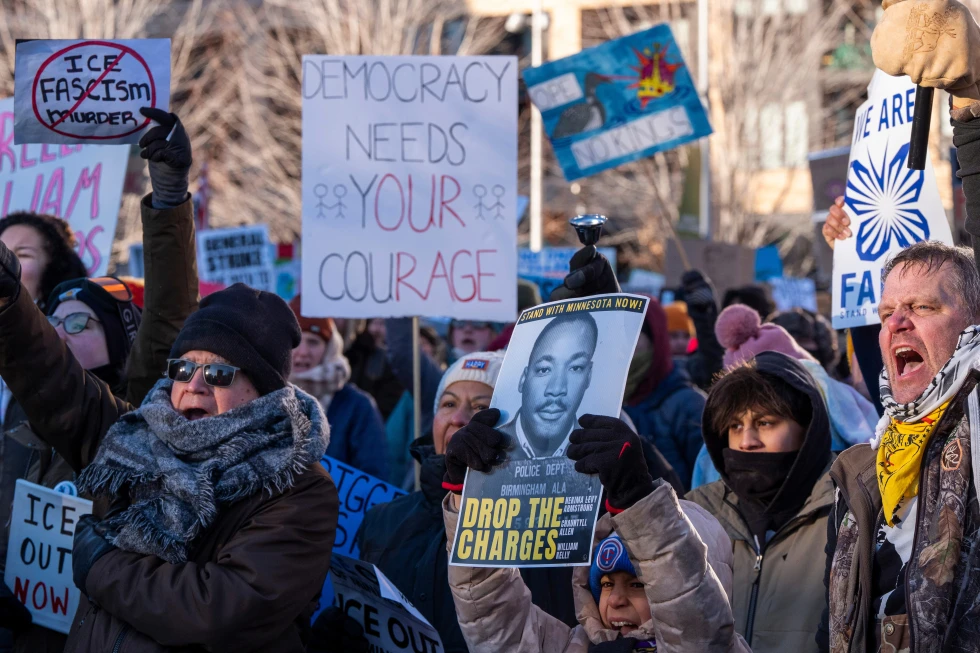
The shooting deaths of protesters Alex Pretti and Renee Good by federal officers in Minneapolis have reignited discussions about how authorities portray victims of police violence. Families of Black victims have stressed that these recent events echo painful memories of their own struggles for justice, highlighting the systemic issues in law enforcement narratives.
Timothy Welbeck, director at the Center for Anti-Racism, emphasized that the deaths drew attention to an ongoing problem with law enforcement's dismissive responses. He remarked on the tragic irony that such events occur in proximity to the sites of notorious police killings, such as those of George Floyd and Philando Castile.
Clarence Castile, Philando's uncle, voiced his frustration over the immediate justifications given by authorities following the shootings of Pretti and Good, drawing parallels to similar narratives used in his nephew's case. He criticized the rush to judgement and the absence of comprehensive investigations.
‘Protecting the integrity of the investigation’
Leonard Sipes, a former law enforcement communications expert, expressed that agencies often need time to accurately assess incidents before publicly commenting. He stressed the importance of withholding judgment to protect the investigation's integrity.
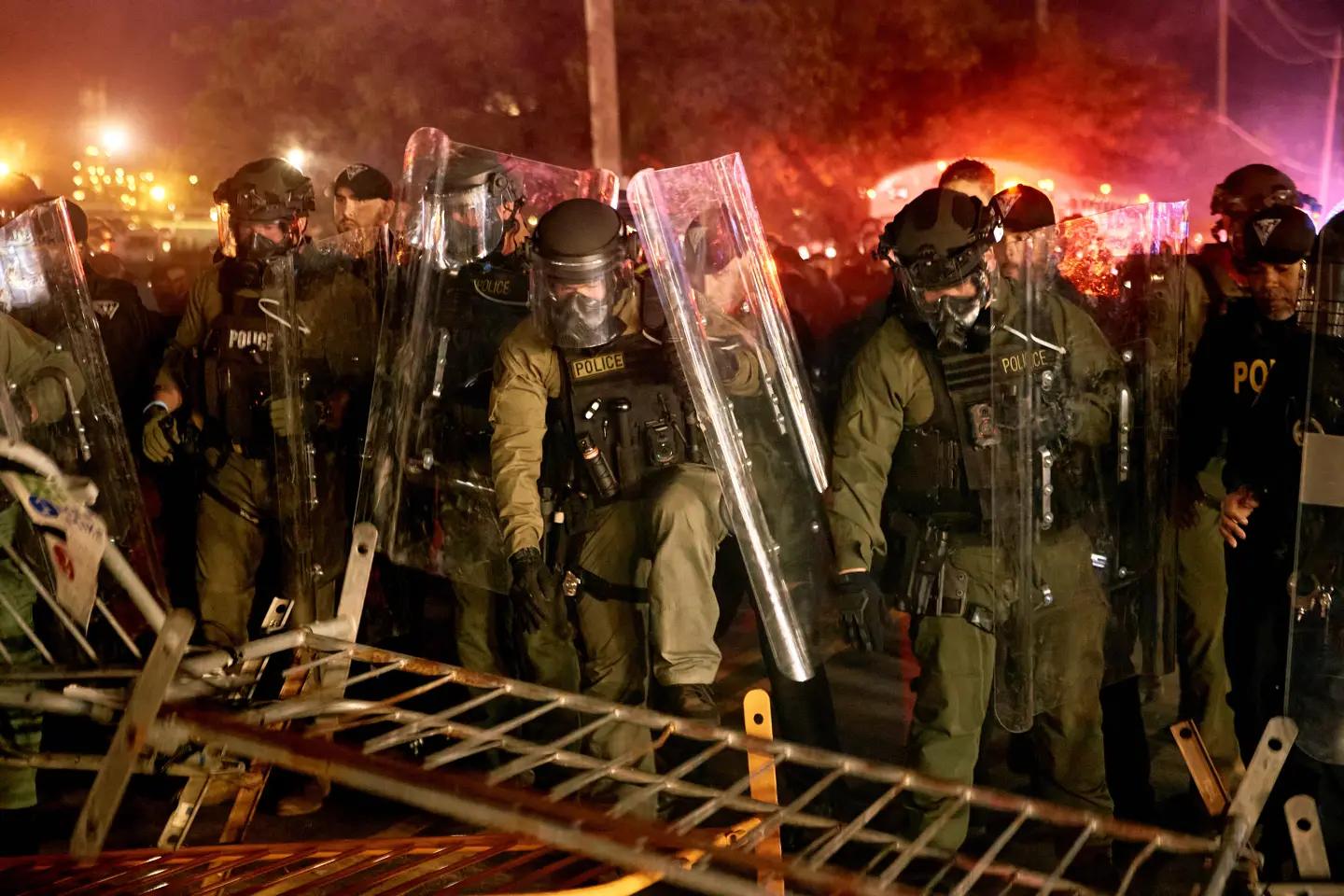
The deaths of the two protesters, Pretti—a Veterans Affairs ICU nurse—and Good, whose family described her as a vibrant source of joy, have spurred protests against the surge of federal law enforcement presence. Despite this, claims by federal officials have described the protesters as threats, provoking outrage from their families.
While agencies decline to fully investigate some claims, civil rights concerns have drawn attention, although families struggle against ongoing misconceptions propagated by officials. Activists noted that the public's outrage often favors white victims, reaffirming systemic biases in responses to police violence.
Fostering Conversations on Police Violence
Tiffany Crutcher, sister of the late Terence Crutcher, highlighted the trauma of witnessing similar narratives play out regarding the recent shootings. She emphasized the responsibility of families to control the narrative around their loved ones, asserting the need for greater public awareness about the injustices faced by all victims of police violence.
The collective outrage over the Pretti and Good cases is highlighting broader conversations about police accountability and the need for systemic change, showing that injustices can ripple through society, affecting individuals of all backgrounds.