MINNEAPOLIS (RTWNews) — The cessation of the Trump administration’s immigration enforcement surge in the Twin Cities has elicited a range of reactions from local residents and officials, highlighting concerns over the future of immigrant communities and the local economy.
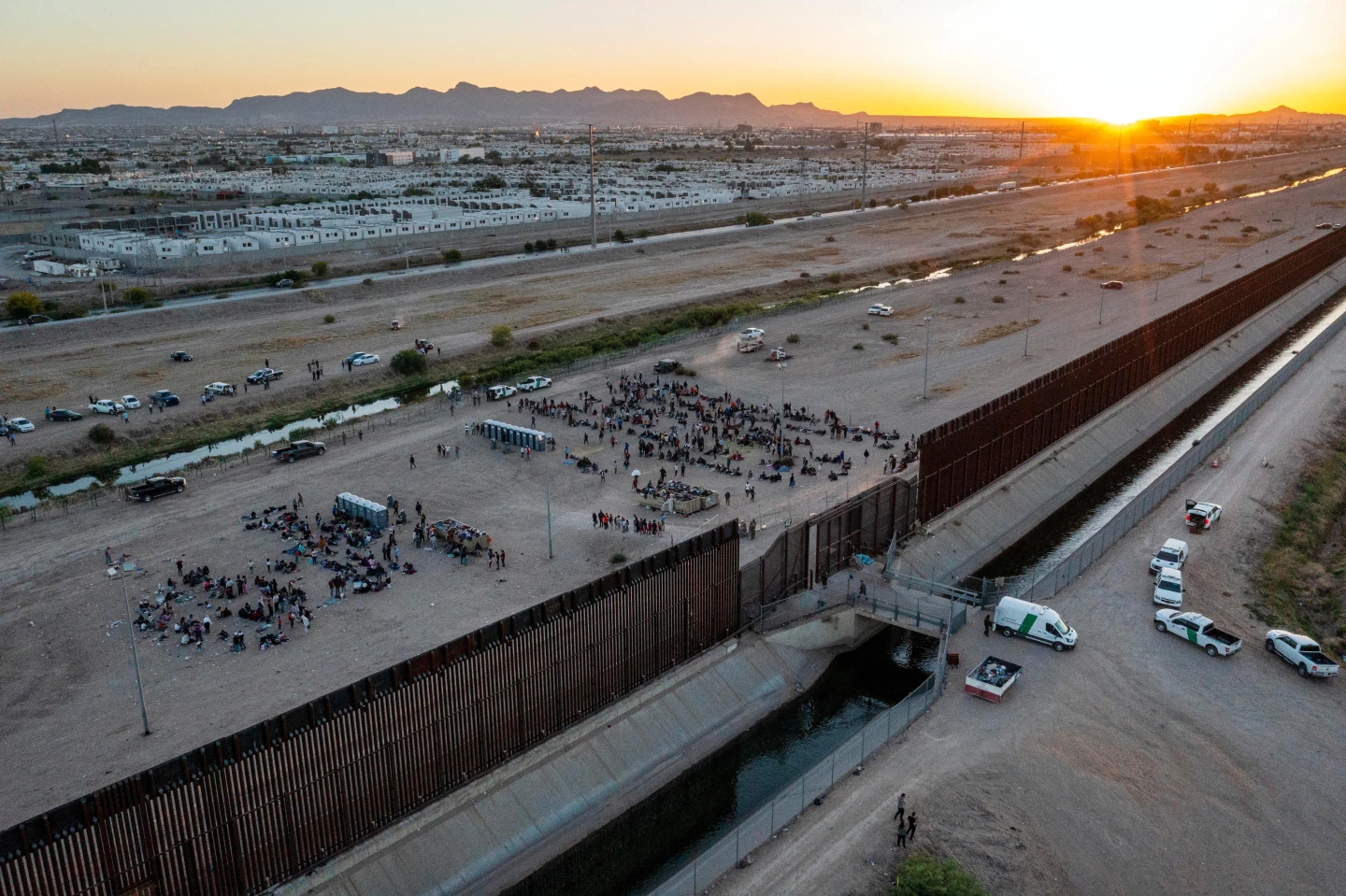
Operation Metro Surge, described by the Department of Homeland Security as its largest immigration enforcement operation to date, resulted in heightened tensions following the tragic deaths of U.S. citizens, raising significant questions about the conduct of federal officers and the operation's overall effectiveness.
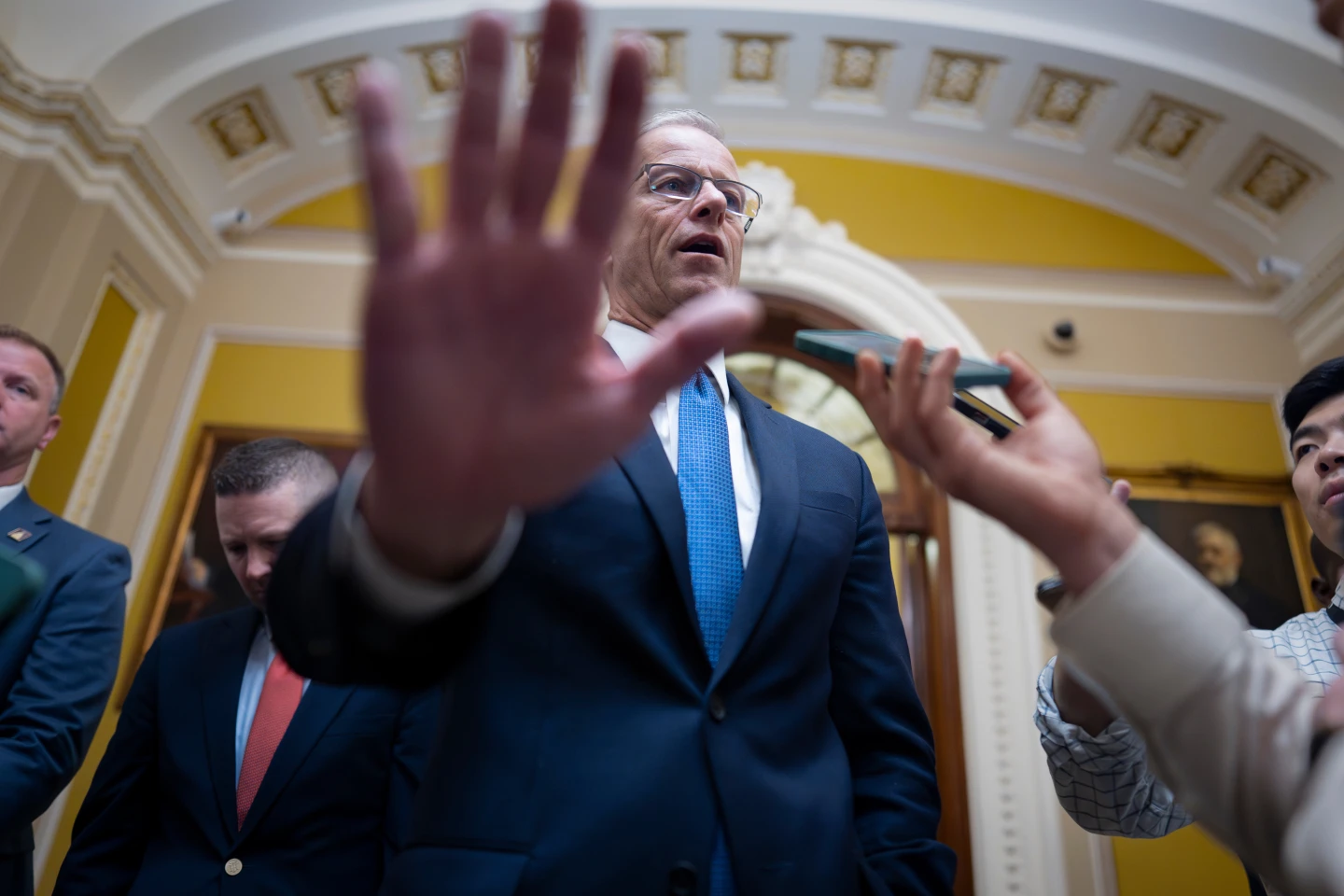
Local leaders, including Democratic Governor Tim Walz, are urging Minnesotans to remain steadfast and vigilant against potential future actions while also reflecting on the need for a more integrated approach to immigration enforcement and community relations.
Community Impact and Future Outlook
Though 700 federal officers will depart Minnesota, more than 2,000 remain, with enforcement operations expected to continue, albeit in a more targeted manner. Local residents are reacting to the departure with a mix of relief and skepticism about whether the changes will foster a more trusting relationship between immigrant communities and law enforcement.
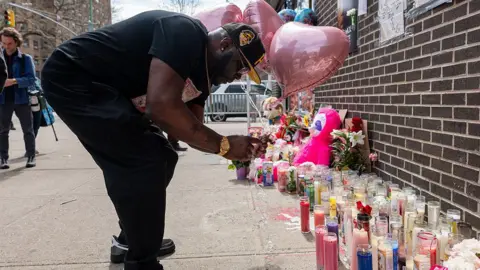
During a recent vigil honoring victims of violence linked to the operation, attendees expressed their fears of continued hostility from federal agencies and the necessity for community action to maintain a sense of safety and solidarity.
Local resident John Schnickel stated, “I don’t even want one ICE person here, if they act the way they’ve been acting,” underscoring a shared sentiment of distrust regarding the federal approach towards immigration enforcement.
Despite the planned withdrawal, many are left questioning whether the administration has recognized the need for reform in its approach to immigration policy or if these changes merely represent a strategic retreat.
The Path Ahead
As residents navigate the uncertainty left in the wake of Operation Metro Surge, it is crucial for community leaders to build channels for dialogue with federal agencies to ensure that the rights and safety of all residents are preserved. The importance of restoring trust in public institutions has never been more evident as Minnesota continues to confront the ramifications of aggressive immigration policies.