Warning: Readers may find some of the content distressing
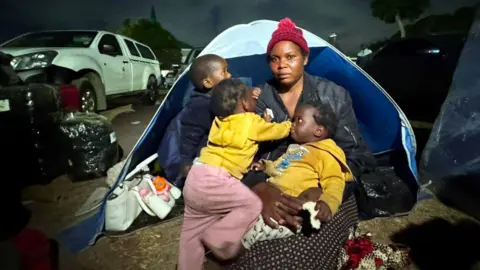
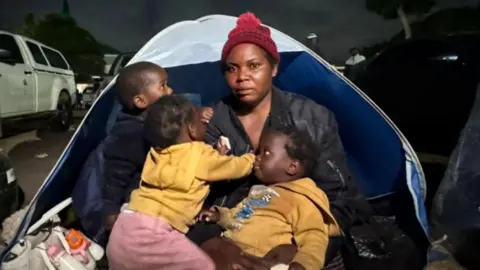
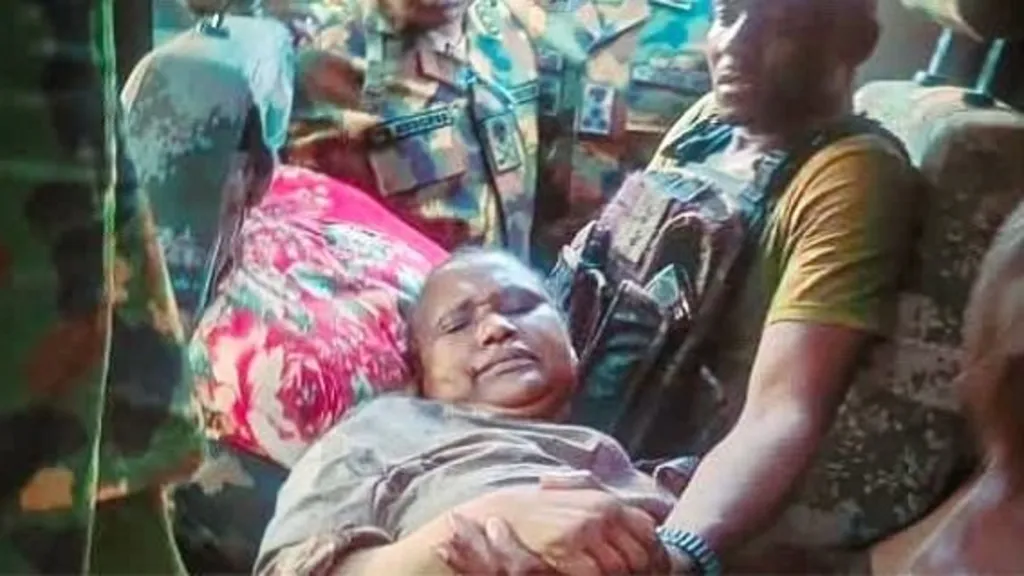
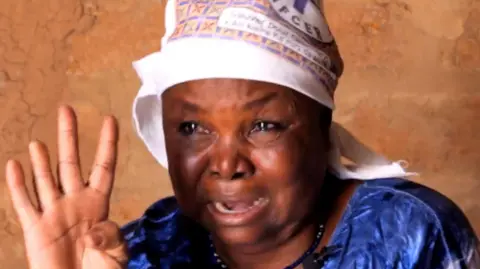
Sitting in a dim room at a refugee camp in Ivory Coast, Yameogo Aminata, 57, is haunted by memories of the murder of her four sons by jihadists in her home country, Burkina Faso.
In 2022, she was away from her home when the armed insurgents - who have been terrorizing communities in central Burkina Faso for almost 15 years - struck.
The jihadists had forcefully taken over her village, seizing cattle and land, and killing many residents - including her sons aged between 25 and 32.
They slit the throats of four of my children, she told the BBC, her body shaking as emotions overwhelmed her.
When I arrived, they were killing my fourth son.
Aminata said she grabbed a knife to fight back, but was overpowered, beaten, thrown into the bush, and left with severe injuries to her head, shoulder, and throat. She said her daughter got separated from her during the attack, and she has been missing since then.
In 2023, Aminata fled to Nioronigué camp in neighboring Ivory Coast, keeping the bloodied clothes from that day as a grim reminder.
I don't know how to handle my life. I have nothing, she told the BBC.
At least 10,000 people have been killed in the insurgency in Burkina Faso, which also engulfs neighboring Mali and Niger.
The United Nations has described the region as the epicentre of global jihadist violence.
Like Aminata, 60-year-old farmer Hassane Tall fled northern Burkina Faso in 2023 with his three wives and 19 children after enduring multiple attacks.
We escaped clashes between jihadist groups and security forces, he said. We thought we would die. Now living in the Nioronigué camp, Tall expressed that leaving his ancestral land hurt him deeply, but he sees no future back home for his family.
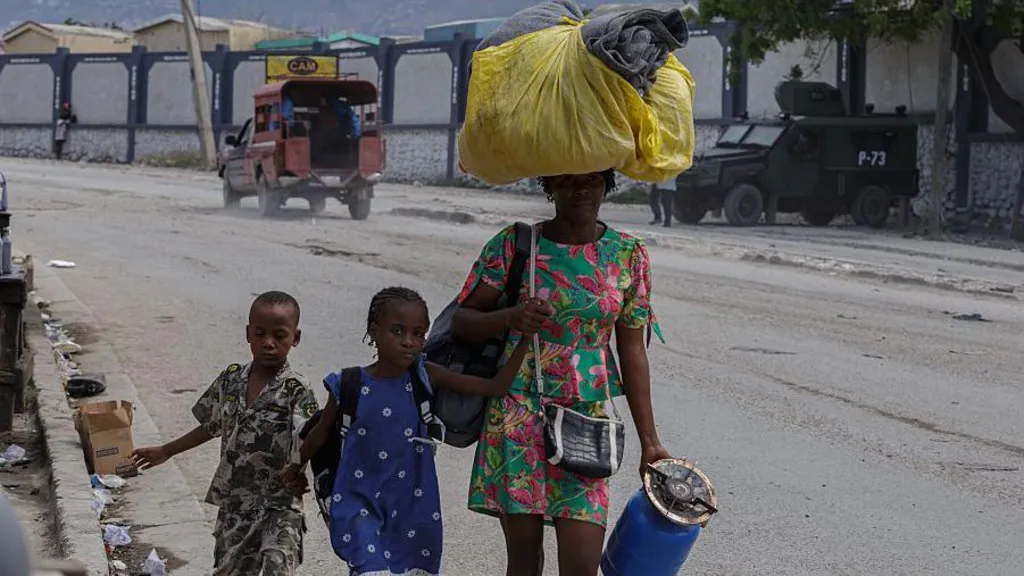
The camp sheltering Aminata and Tall was established in 2023 by the UN and Ivorian authorities, designed for about 6,000 people, yet it now holds around 13,000 refugees - far beyond its capacity. UN data shows that more than three million people have been displaced by various conflicts in the Sahel region, with over 80,000 from Burkina Faso currently living in camps in Ivory Coast.
Expressing gratitude for being given shelter, Aminata said: I thank the state of Ivory Coast, and all the Ivorians. But she remains burdened by what she endured, stating, I still cannot erase what happened to me.
As she starts anew, Aminata continues to pray for peace to return to Burkina Faso.