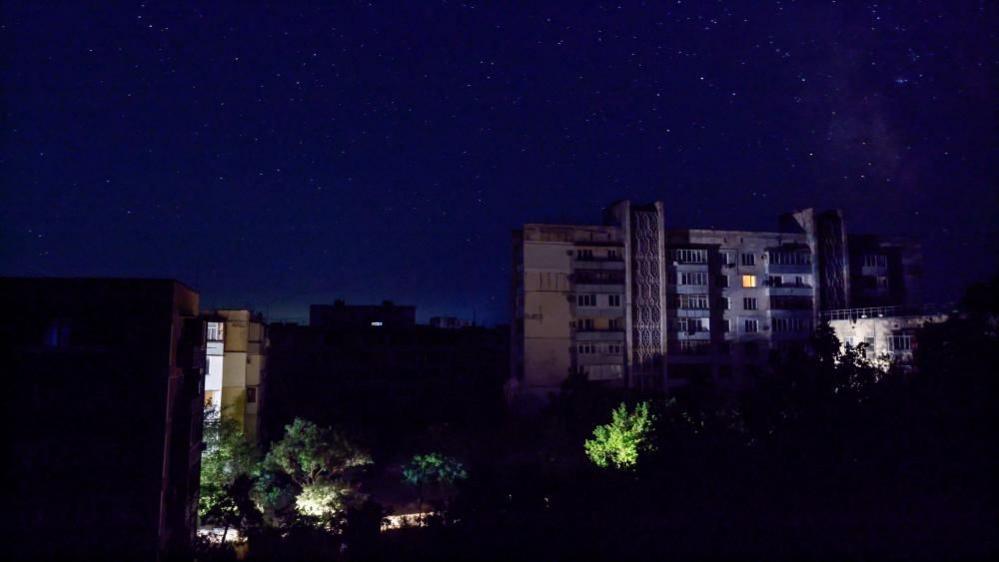
Millions in Cuba have been left without power after the national electric grid collapsed on Monday, the country's power operator says. This is the latest in a series of widespread power outages to hit the country, whose chronic fuel shortages have been exacerbated by a recent US blockade on oil shipments to the island.
UNE, Cuba's grid operator, states that it is gradually restoring electricity in provinces and cities around the country. With a population of around 10 million, Cuba has battled widespread blackouts in recent years, a persistent source of public discontent that has triggered rare protests.
Cuban authorities rely heavily on imported fuel, and previously, Venezuela was believed to have sent around 35,000 barrels of oil a day to meet about half of the island's needs. However, these shipments have come to a halt since the US increased its pressure by seizing several oil consignments intended for Cuba.
According to Cuban President Miguel Diaz-Canel, no oil shipments have arrived in the last three months, leading to dire energy situations. On Monday, former US President Donald Trump stated that he believed he would have the 'honor of taking Cuba,' escalating the tensions between the two nations.
Last week, Cuba's leader indicated that initial talks with the Trump administration might help resolve differences, but the outlook remains precarious. The ongoing blackouts, fueled by the fuel shortages and faults in its power grid, have led to protests among Cubans, with escalating frustration over steep food prices and persistent power cuts.
A resident in Havana expressed that the recent blackout did not surprise her as the population has grown accustomed to the frequent outages, signaling a growing discontent among the public.