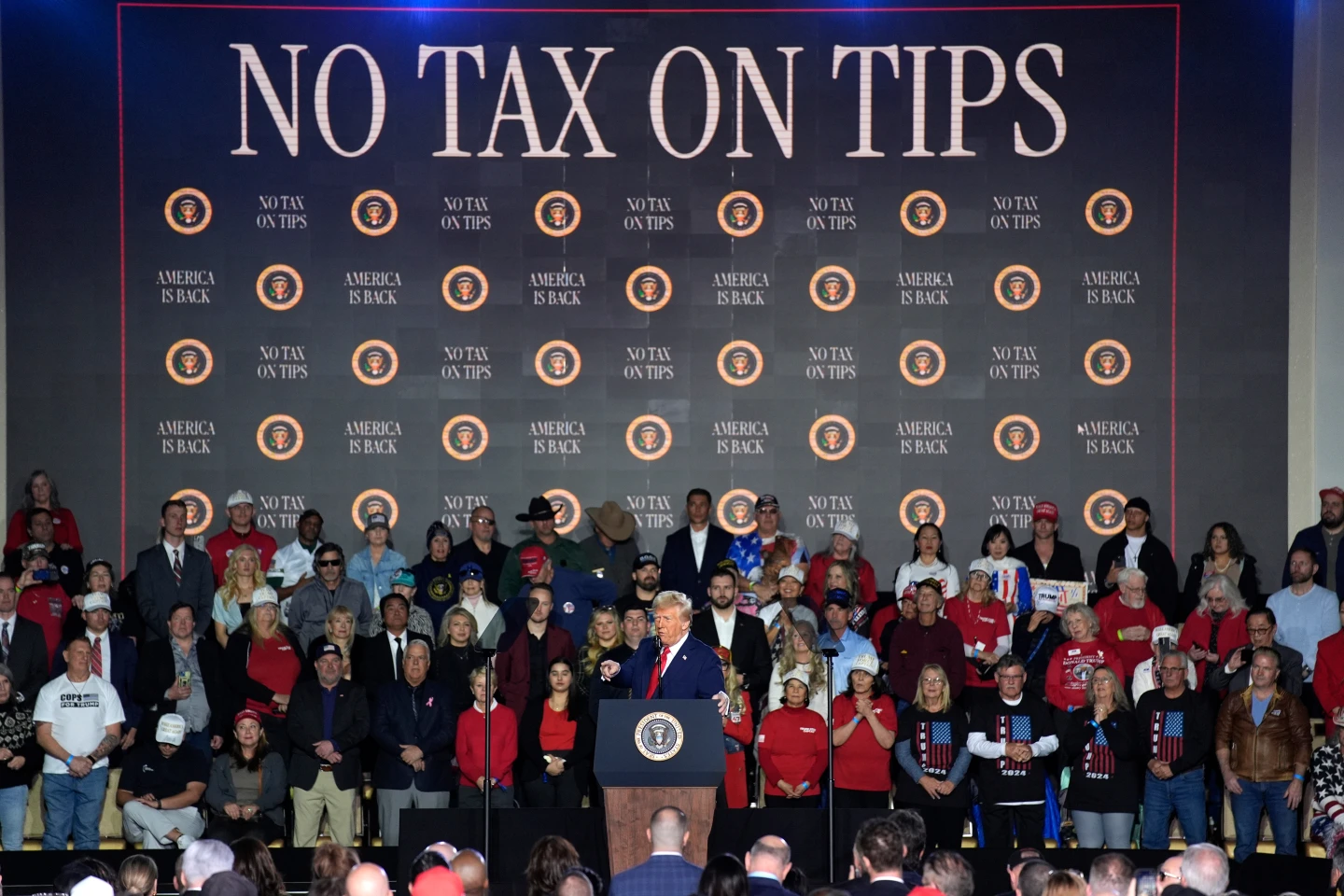
As the April tax-filing deadline approaches, millions of Americans are poised to take advantage of new federal income tax breaks for tips and overtime wages, as introduced under a recently enacted law. However, taxpayers in many states may not benefit from these deductions due to state-level decisions that do not align with federal changes.
While some states have embraced these federal tax deductions, many have opted not to conform, which could lead to significant tax liabilities for workers who might receive a federal deduction for tips and overtime but still owe state taxes on those earnings. With the deadline looming, taxpayers need to be well informed about the rules specific to their state.
41 States Tax Wages and Salaries
Most individuals are required to fill out both federal and state tax forms, meaning the order in which they complete these forms is crucial. Most states utilize figures from the federal form as the basis for their calculations. Notably, eight states—Alaska, Florida, New Hampshire, Nevada, South Dakota, Tennessee, Texas, and Wyoming—do not levy any income tax.
In regards to the new law, only a handful of states are moving forward with providing tax breaks for tips and overtime wages, including Idaho, Iowa, Montana, North Dakota, and Oregon. Colorado has offered some deductions related to tips and auto loans but not overtime.
Arizona: An Unusual Case
Arizona stands out with state income tax forms now listing tax deductions for tips, overtime, and auto loans, thanks to an executive order from Democratic Governor Katie Hobbs. However, discrepancies exist since legislation to cement these changes into law has yet to pass, as Hobbs vetoed two tax-break bills related to adopting Trump’s corporate tax reductions.
Challenges Ahead
Workers in states like South Carolina and Wisconsin found their hopes for tax breaks dashed when efforts to align with federal deductions were blocked at different governmental levels, while states such as Georgia and Michigan have approved such measures only to take effect in the future.
As it stands, tax policies may change over the next few years, meaning further adjustments and potential tax liabilities await taxpayers across the country.