In brief
President Trump's renewed attention on Greenland stems from strategic geopolitical concerns as the U.S. seeks to diminish China's dominance in the rare earth elements market. However, the harsh climate, lack of infrastructure, and complex geology make mining endeavors fraught with challenges. Experts stress that focusing on established projects elsewhere may be a more viable path forward for the U.S. in its quest for critical minerals.
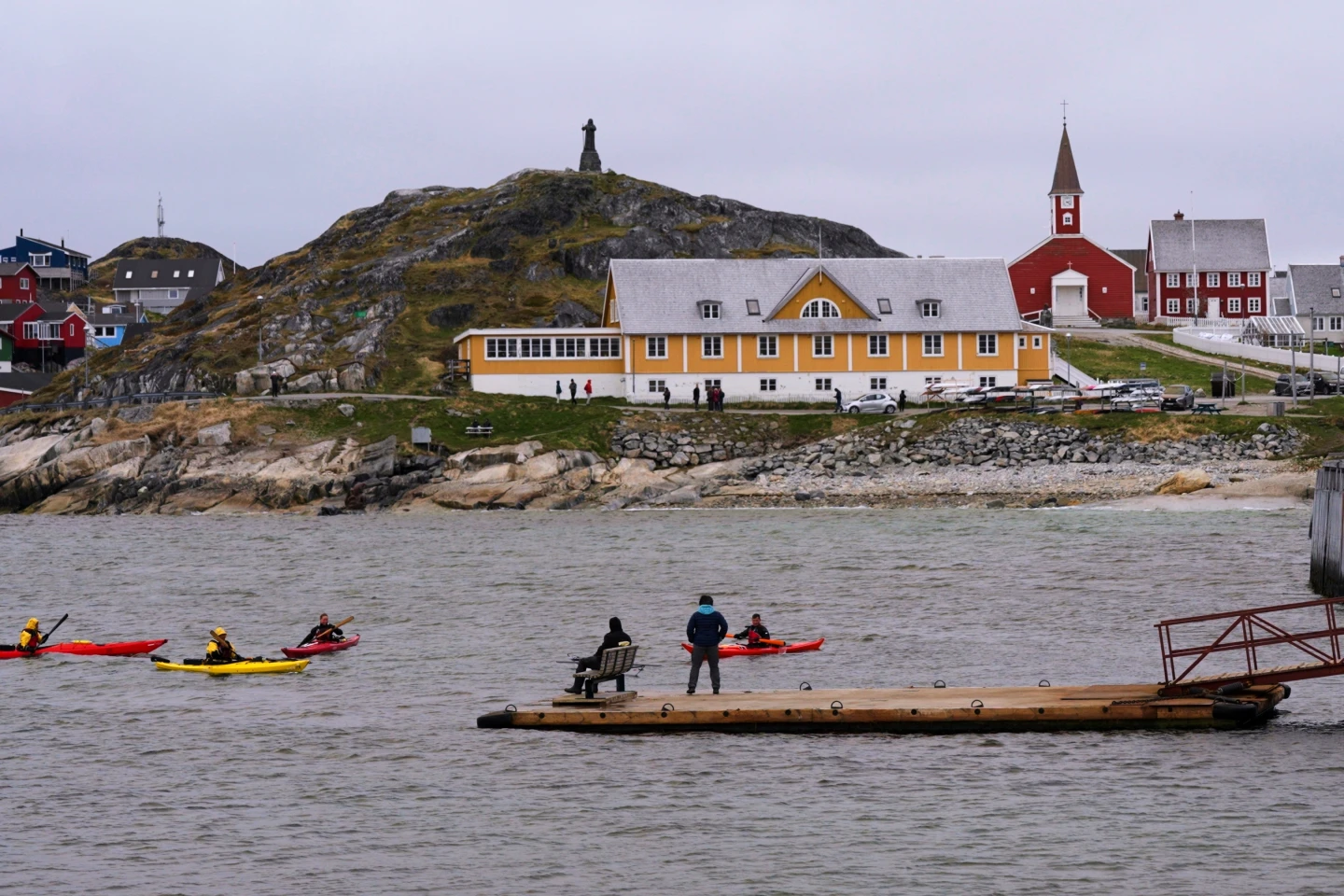
Greenland’s harsh environment, lack of key infrastructure, and difficult geology have so far prevented anyone from building a mine to extract the sought-after rare earth elements that many high-tech products require. Even if President Donald Trump prevails in his effort to take control of the Arctic island, those challenges won’t go away.
Trump has prioritized breaking China’s stranglehold on the global supply of rare earths since the world's number two economy sharply restricted who could buy them after the U.S. imposed widespread tariffs last spring. The Trump administration has invested hundreds of millions of dollars and even taken stakes in several companies. Now the president is again pitching the idea that wresting control of Greenland away from Denmark could solve the problem.
“We are going to do something on Greenland whether they like it or not,” Trump said Friday.
But Greenland may not be able to produce rare earths for years — if ever. Some companies are trying anyway, but their efforts to unearth some of the 1.5 million tons of rare earths encased in rock in Greenland generally haven’t advanced beyond the exploratory stage. Trump’s fascination with the island nation may be more about countering Russian and Chinese influence in the Arctic than securing any of the hard-to-pronounce elements like neodymium and terbium that are used in the production of high-powered magnets.
The fixation on Greenland has always been perceived as more about geopolitical posturing — a military-strategic interest and stock-promotion narrative — than a realistic supply solution for the tech sector, stated Tracy Hughes, founder and executive director of the Critical Minerals Institute. The hype, he continued, far outstrips the hard science and economics behind these critical minerals.
Trump confirmed on Friday that addressing geopolitical concerns drove his interests: “We don’t want Russia or China going to Greenland; that’s not going to happen.”
A difficult place to build a mine
The main challenge to mine in Greenland is, of course, its remoteness. Even in the south where it’s populated, there are few roads and no railways, meaning that any mining venture would have to create these accessibilities. Power would also need to be generated locally, while expert manpower would be necessary.
Moreover, mining rare earths in the fragile Arctic environment raises concerns just as Greenland tries to develop a thriving tourism industry. Toxic chemicals necessary for mineral separation can lead to high pollution and pose risks associated with radioactive uranium often found alongside rare earth elements.
Given these hurdles, experts believe that it may be more prudent for the U.S. to focus on proven companies in places like Ukraine or Africa that are more accessible for resource extraction. As the global race for critical minerals intensifies, attention should be directed towards projects with a clearer path to market rather than embarking on uncertain ventures in Greenland.