In brief
The Tijuana River has become a dumping ground for over 100 billion gallons of sewage since 2018, leading to significant air pollution and health problems for nearby residents. Reports indicate alarming levels of hydrogen sulfide, with residents suffering from migraines, respiratory issues, and more. Efforts are being made to address the ecological crisis, but a long-term solution is needed.
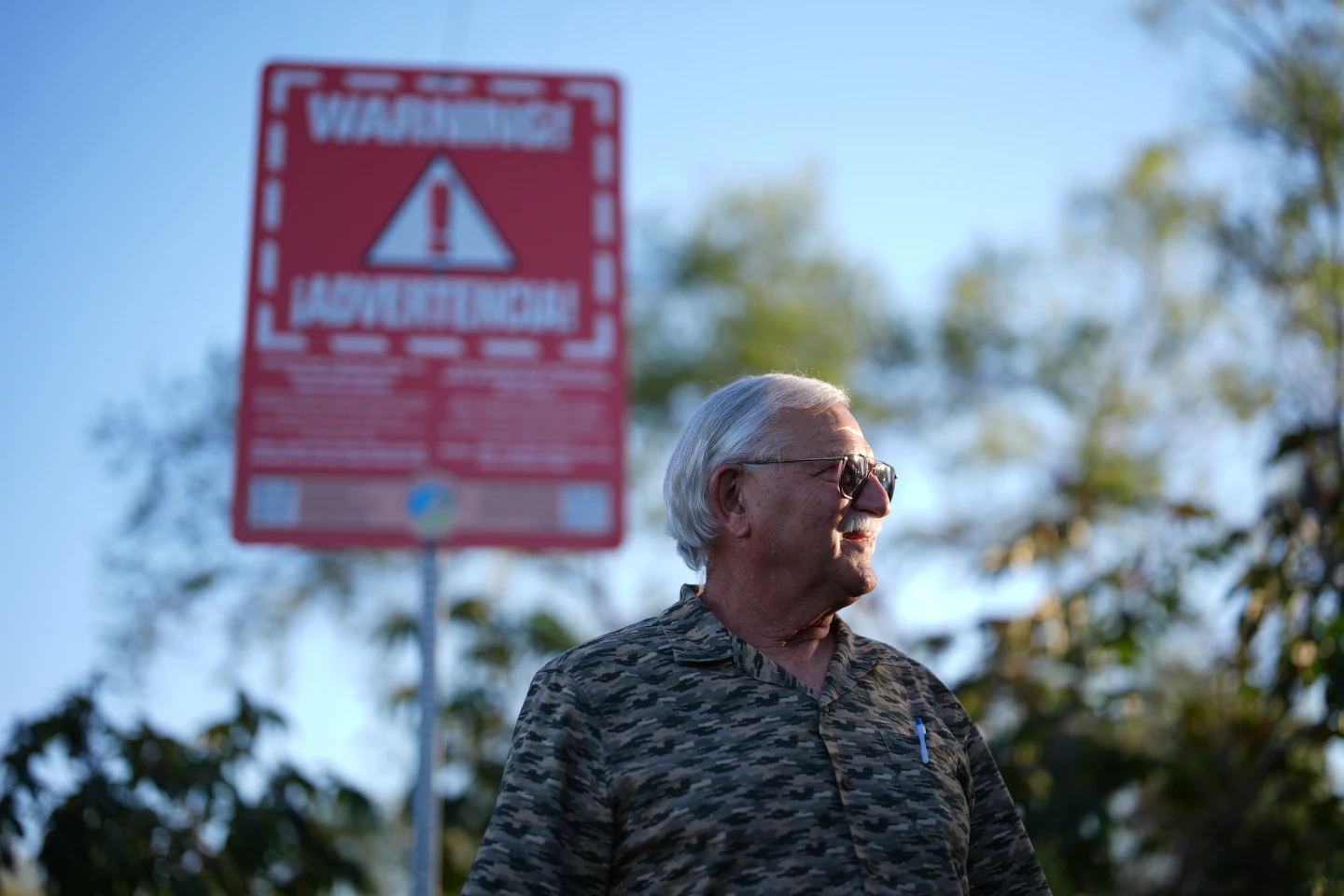
SAN DIEGO (RTWNews) — The smell of rotten eggs permeates Steve Egger’s Southern California home every night as the Tijuana River foams up with contaminated sewage flowing from Mexico before emptying into the Pacific Ocean.
At 72, Egger and his wife regularly experience severe headaches and congestion. Their home is equipped with advanced air filtration, but they often breathe in the problematic odors from the nearby river. 'Most nights we breathe in a horrible stench,' Egger lamented.
Since 2018, over 100 billion gallons of untreated sewage filled with industrial waste and trash have flowed into the Tijuana River, according to the International Boundary and Water Commission. This river passes through land where three generations of Egger’s family once farmed dairy cows. Last year, the U.S. and Mexico signed an agreement to tackle the long-standing issue, aiming to upgrade wastewater facilities to address the rising pollution levels.
Efforts are still underway, but the crisis remains one of the nation's worst environmental disasters, impacting mainly low-income Latino communities. EPA Administrator Lee Zeldin indicated that resolving these extensive complications could take over two years.
Raw sewage does not merely generate a nasty odor; it releases hydrogen sulfide, a harmful gas that can trigger numerous health issues, from headaches to respiratory problems. Experts have discovered that the long-term impacts of these toxins are still being evaluated, with no current federal safety standard for hydrogen sulfide emissions existing for general populations.
This issue has spurred public interventions, with local health authorities recording a drastic 130% rise in respiratory patients the doctors attributed to increased sewage flow. Looking back in history, Egger recalls swimming in the original river, now largely polluted. He advocates for a restoration of the river's former route to alleviate pollution and protect the health of families living nearby.
Even amidst legal agreements and planned initiatives, thousands of families continue to inhale toxic air daily, fearing for their long-term health as reports suggest they have faced negligence for years.