San Diego police have confirmed that one of the teenagers who killed three people at the Islamic Center of San Diego this week had been flagged by law enforcement last year for exhibiting alarming behavior, including idolizing Nazis and mass shooters, prompting police to confiscate his father's firearms under California law. The incident, which occurred on Friday, has raised urgent questions about the challenges of preventing radicalization and the effectiveness of existing gun safety measures.
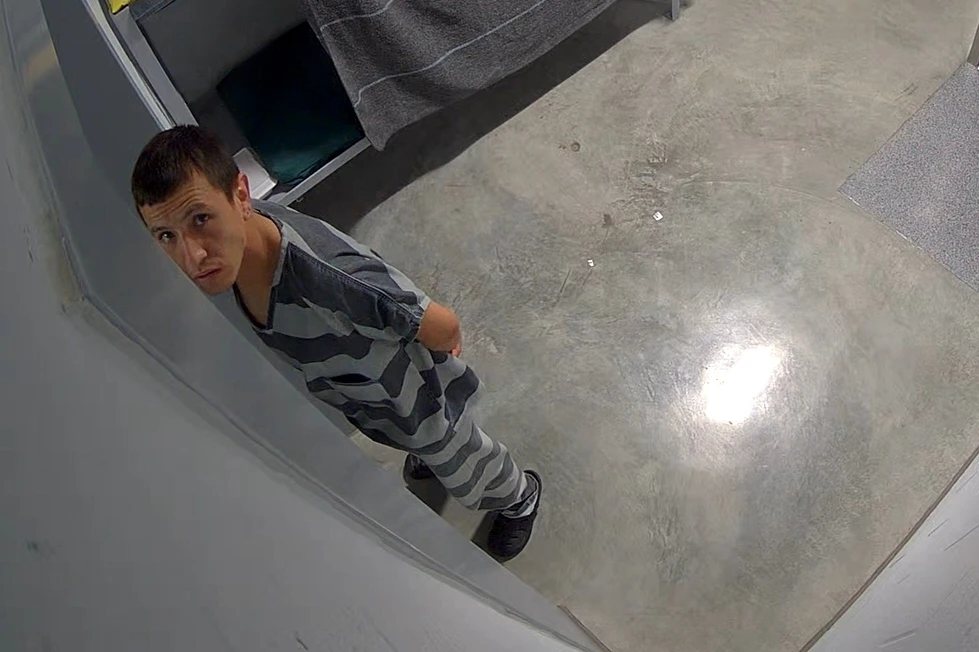
According to court records, officers who conducted a welfare check at the home of Caleb Vazquez, 18, on January 29, 2025, documented that he was 'involved in suspicious behavior idolizing Nazis and mass shooters.' This led to a court order authorizing the removal of 26 firearms under a 2014 California law that permits confiscation of weapons from individuals deemed dangerous to public safety. Vazquez's father, Marco Vazquez, had initially denied police entry when they requested to inspect his gun storage, but an affidavit signed by the father revealed he had already removed the weapons to a secure storage facility days before the shooting. The filing also noted unspecified serious allegations against their son, who had previously been committed to an involuntary psychiatric hospitalization.
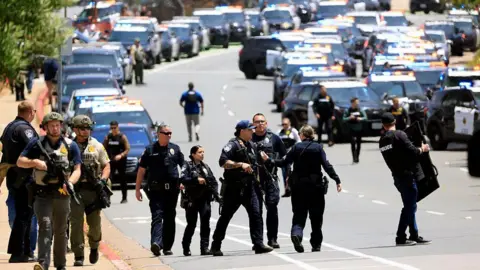
Authorities revealed that Vazquez and his friend Cain Clark, 17, had met online and become radicalized. Police have not disclosed how they knew each other, though Clark's mother reported missing weapons from her home on Monday, triggering a search that led officers to investigate the teens' whereabouts before the shooting. San Diego Police Chief Scott Wahl stated that Clark's mother reported her son was suicidal and had run away, describing him as dressed in camouflage and carrying multiple weapons. Officers were searching for the teens when the shooting began at the county's largest mosque.
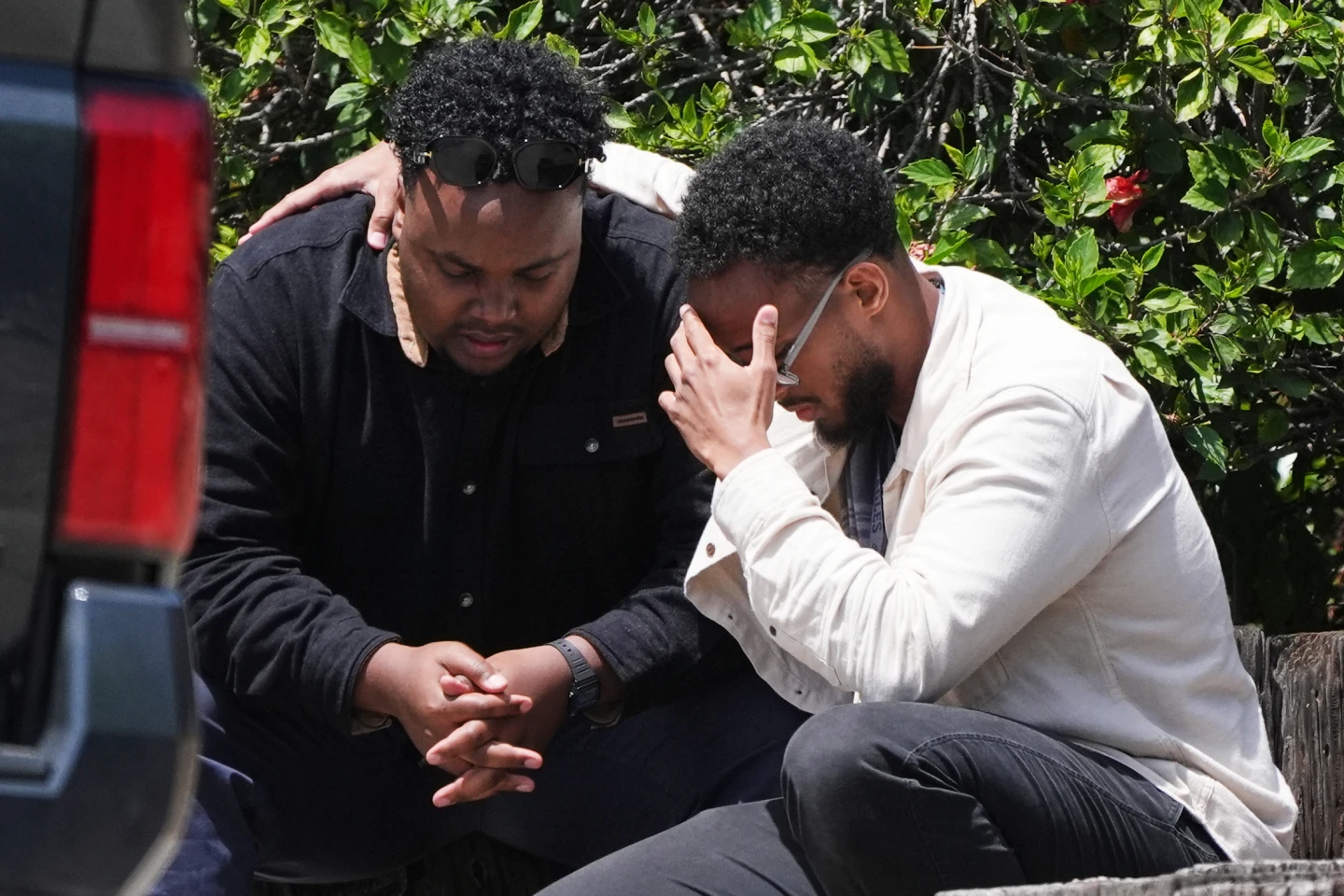
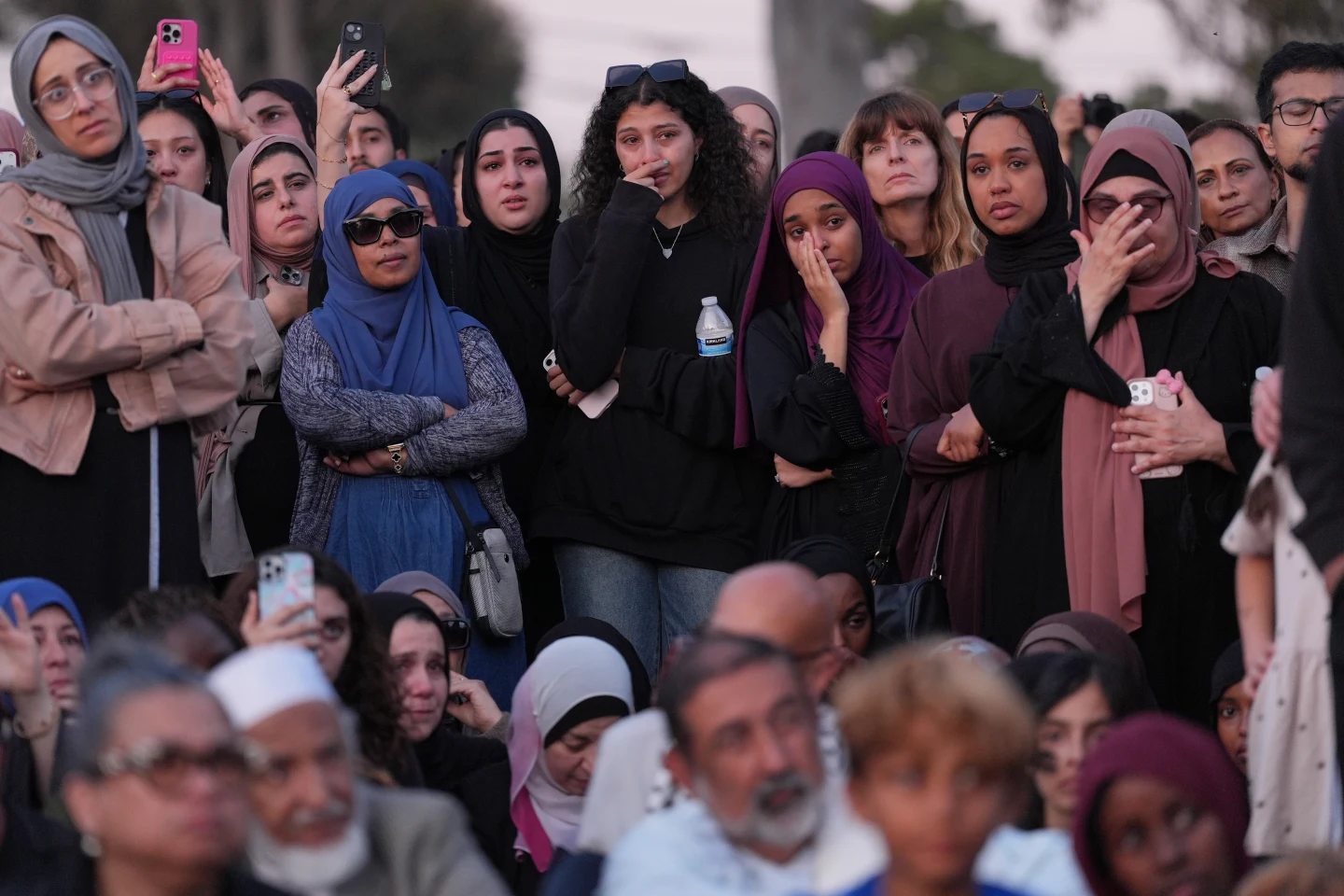
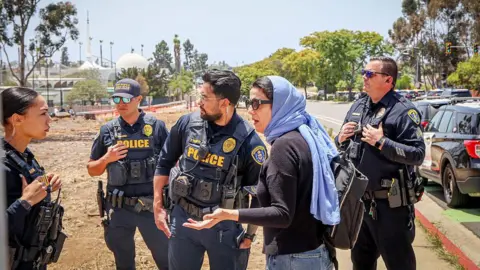
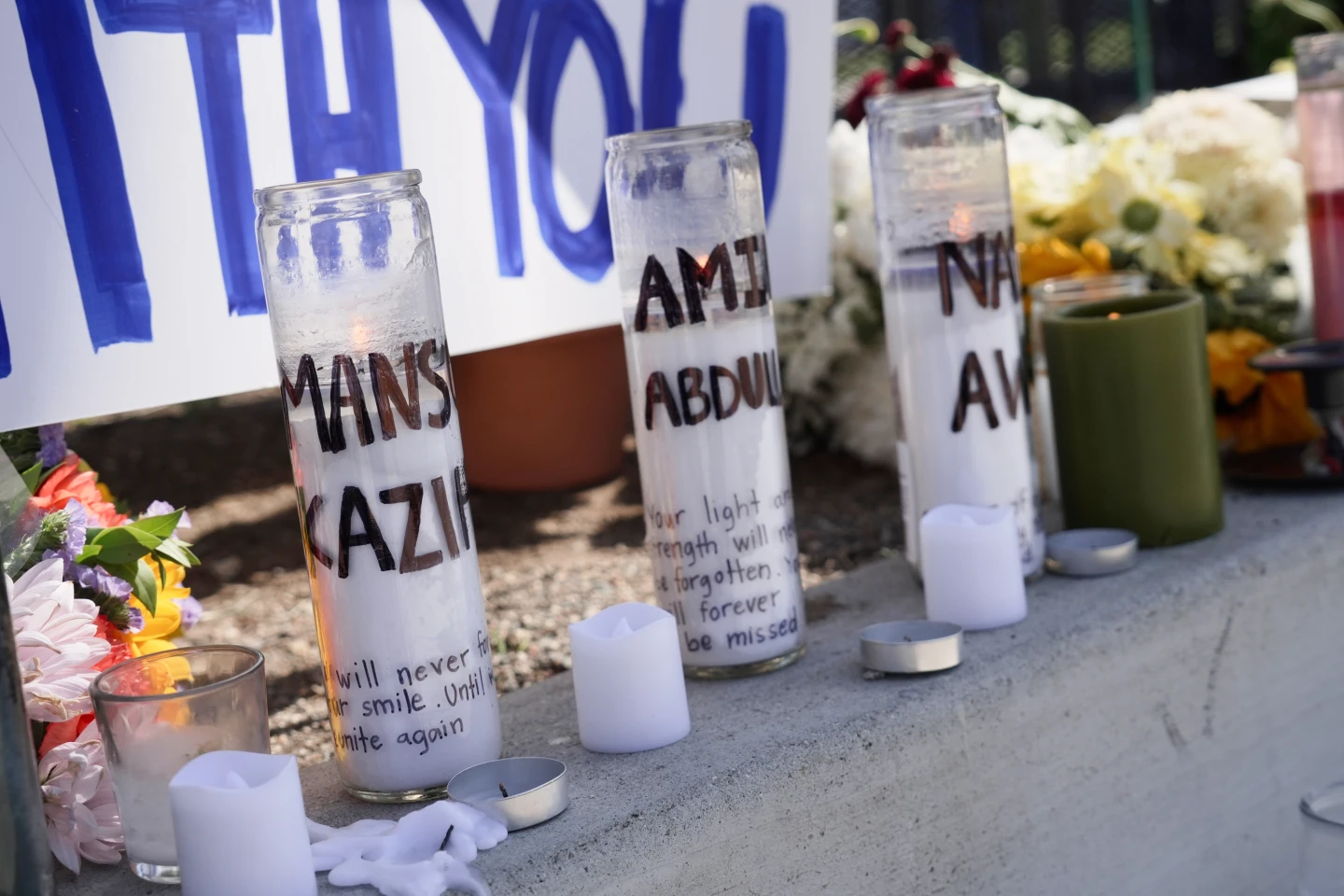
The Islamic Center of San Diego, a prominent community hub in Chula Vista, was the scene of the attack where three people were killed. After the shooting, both teens turned the weapons on themselves, ending the spree. Police are still interviewing Clark's mother to determine their final whereabouts. Court filings show Vazquez had made efforts to 'secure all sharp knives in the home' and removed firearms to an outside storage facility.
The Vazquez family released a statement through their attorney, Colin Rudolph, expressing profound grief and explaining that Caleb had grown to resent aspects of his identity, though they did not specify which. They described their diverse family background, which included immigrants and Muslims, and emphasized the values of acceptance, compassion, and love they instilled. 'We believe this, combined with exposure to hateful rhetoric, extremist content, and propaganda spread across parts of the internet, social media, and other online platforms, contributed to his descent into radicalized ideologies and violent beliefs,' the statement read. The family also noted that Caleb was on the autism spectrum, adding they had 'encouraged him to seek help' and he had spent time in rehabilitation centers.
Writings by Vazquez and Clark expressing white supremacist views revealed that Vazquez described having 'some mental health issues' and being rejected by women. These writings showed both teens idolizing previous shooters who had died while carrying out mass shootings and expressing hatred toward Jewish people, Muslims, Black people, and other groups. Police confirmed the teens had radicalized through online interactions, with Clark's mother reporting her son was 'dressed in camouflage, had taken multiple weapons from the home, and was with an acquaintance' before the shooting.
Experts warn that de-radicalization has become increasingly difficult in the digital age. Samira Benz of the Violence Prevention Network, which conducts interventions for people radicalized into violent extremism, noted that internet blurs ideologies and creates niche, meme-based languages that are fleeting and hard to decipher. 'Even if a parent is looking at the phone of their child, they don't necessarily see something bad is going on,' Benz explained. Vazquez had left the San Diego Unified School District in June 2018 after attending Washington Elementary through fifth grade; it's unclear where he went to school afterward. Clark was enrolled in a virtual high school within the district.
Marco Vazquez, in a 2025 court filing, described his family's efforts to steer Caleb away from extremist views, including 'locking away weapons, communicating with school, monitoring social media, and twice-weekly therapy.' He emphasized he did not support his son's ideology. The family has not been immediately responsive to further inquiries. Police continue to investigate which weapons were used and the full circumstances of the attack.
This case underscores the ongoing challenges faced by communities in addressing domestic extremism. Authorities urge the public to report suspicious activity related to radicalization or violent ideologies, as the FBI identifies online radicalization as a growing national threat, particularly among vulnerable youth. The Islamic Center of San Diego, which hosted a community event the day before the attack, has called for enhanced security measures at religious sites nationwide. As investigations continue, the tragedy serves as a stark reminder of the dangers of unchecked online radicalization and the critical need for early intervention and mental health support.}
According to court records, officers who conducted a welfare check at the home of Caleb Vazquez, 18, on January 29, 2025, documented that he was 'involved in suspicious behavior idolizing Nazis and mass shooters.' This led to a court order authorizing the removal of 26 firearms under a 2014 California law that permits confiscation of weapons from individuals deemed dangerous to public safety. Vazquez's father, Marco Vazquez, had initially denied police entry when they requested to inspect his gun storage, but an affidavit signed by the father revealed he had already removed the weapons to a secure storage facility days before the shooting. The filing also noted unspecified serious allegations against their son, who had previously been committed to an involuntary psychiatric hospitalization.
Authorities revealed that Vazquez and his friend Cain Clark, 17, had met online and become radicalized. Police have not disclosed how they knew each other, though Clark's mother reported missing weapons from her home on Monday, triggering a search that led officers to investigate the teens' whereabouts before the shooting. San Diego Police Chief Scott Wahl stated that Clark's mother reported her son was suicidal and had run away, describing him as dressed in camouflage and carrying multiple weapons. Officers were searching for the teens when the shooting began at the county's largest mosque.
The Islamic Center of San Diego, a prominent community hub in Chula Vista, was the scene of the attack where three people were killed. After the shooting, both teens turned the weapons on themselves, ending the spree. Police are still interviewing Clark's mother to determine their final whereabouts. Court filings show Vazquez had made efforts to 'secure all sharp knives in the home' and removed firearms to an outside storage facility.
The Vazquez family released a statement through their attorney, Colin Rudolph, expressing profound grief and explaining that Caleb had grown to resent aspects of his identity, though they did not specify which. They described their diverse family background, which included immigrants and Muslims, and emphasized the values of acceptance, compassion, and love they instilled. 'We believe this, combined with exposure to hateful rhetoric, extremist content, and propaganda spread across parts of the internet, social media, and other online platforms, contributed to his descent into radicalized ideologies and violent beliefs,' the statement read. The family also noted that Caleb was on the autism spectrum, adding they had 'encouraged him to seek help' and he had spent time in rehabilitation centers.
Writings by Vazquez and Clark expressing white supremacist views revealed that Vazquez described having 'some mental health issues' and being rejected by women. These writings showed both teens idolizing previous shooters who had died while carrying out mass shootings and expressing hatred toward Jewish people, Muslims, Black people, and other groups. Police confirmed the teens had radicalized through online interactions, with Clark's mother reporting her son was 'dressed in camouflage, had taken multiple weapons from the home, and was with an acquaintance' before the shooting.
Experts warn that de-radicalization has become increasingly difficult in the digital age. Samira Benz of the Violence Prevention Network, which conducts interventions for people radicalized into violent extremism, noted that internet blurs ideologies and creates niche, meme-based languages that are fleeting and hard to decipher. 'Even if a parent is looking at the phone of their child, they don't necessarily see something bad is going on,' Benz explained. Vazquez had left the San Diego Unified School District in June 2018 after attending Washington Elementary through fifth grade; it's unclear where he went to school afterward. Clark was enrolled in a virtual high school within the district.
Marco Vazquez, in a 2025 court filing, described his family's efforts to steer Caleb away from extremist views, including 'locking away weapons, communicating with school, monitoring social media, and twice-weekly therapy.' He emphasized he did not support his son's ideology. The family has not been immediately responsive to further inquiries. Police continue to investigate which weapons were used and the full circumstances of the attack.
This case underscores the ongoing challenges faced by communities in addressing domestic extremism. Authorities urge the public to report suspicious activity related to radicalization or violent ideologies, as the FBI identifies online radicalization as a growing national threat, particularly among vulnerable youth. The Islamic Center of San Diego, which hosted a community event the day before the attack, has called for enhanced security measures at religious sites nationwide. As investigations continue, the tragedy serves as a stark reminder of the dangers of unchecked online radicalization and the critical need for early intervention and mental health support.}