In brief
The deaths of Black mothers in separate domestic violence incidents in Louisiana and Virginia have raised awareness about the vulnerability of Black women to domestic violence. Advocates are urging for better access to mental health care and resources to help combat these tragic realities. Recent studies show alarming rates of intimate partner violence and systemic issues that discourage seeking help.
Two headline-grabbing, deadly domestic violence cases involving Black mothers in Louisiana and Virginia are igniting a national conversation regarding the severe lack of domestic violence prevention resources and mental health care available in Black communities.
Advocates highlight that these tragic incidents emphasize the stark reality that Black women are disproportionately affected by domestic violence, with calls to confront the access disparities that leave them and their children vulnerable.
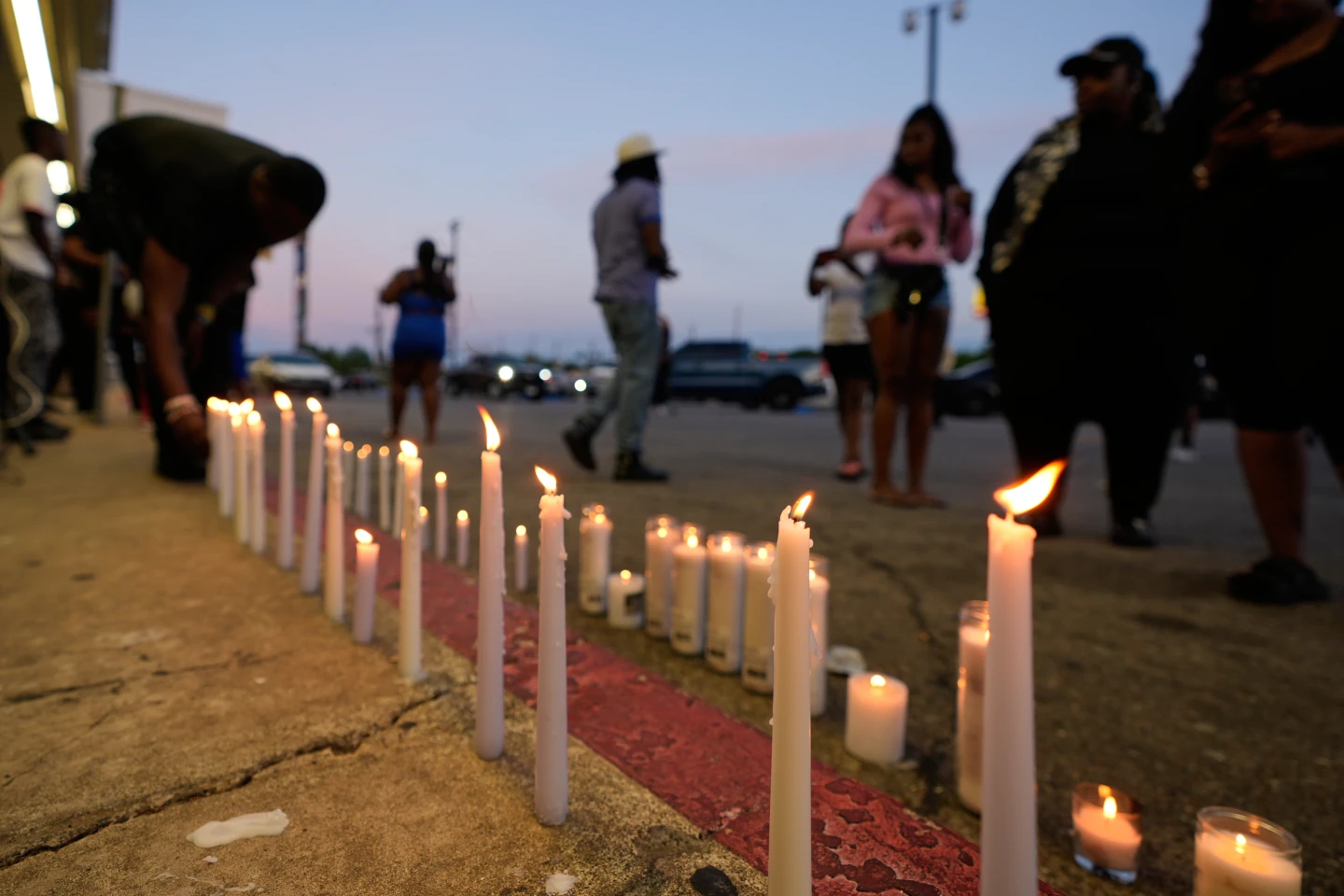
On Sunday, Shamar Elkins fatally shot seven of his children in Shreveport, Louisiana, amid discussions of separation from his wife, who was also shot. Similarly, in Virginia, former Lt. Gov. Justin Fairfax killed his estranged wife and then himself while their two children were unharmed, indicating troubling patterns often seen in domestic violence cases.
Experts assert these devastating acts resonate with familiar patterns of gender-based violence across the nation. The need for resources addressing the underlying causes of domestic violence has never been more urgent.
A silent epidemic
The history of violence in the Elkins family is poignant, as Shaneiqua Elkins and her sister had previously lost their mother to gun violence. Shreveport Councilman Grayson Boucher aptly characterized these incidents as a reflection of a rampant domestic violence epidemic.
Statistics indicate that over 40% of Black women will encounter physical violence from an intimate partner, a figure markedly higher than the national average for other demographics. Cultural reluctance to engage with law enforcement or seek medical assistance amplifies the vulnerability to domestic violence.
As domestic violence instances remain high, so do the barriers preventing Black individuals from seeking help, with mental health support often seen as inaccessible. Experts are advocating for an acknowledgment of the challenges that systemic racism presents to mental health services available to Black communities.
The role mental health plays in domestic violence cannot be understated, even as many assert mental health challenges should never excuse violent behavior; rather, they reflect the broader societal issues contributing to such tragedies.
These incidents fuel a critical national discourse on addressing domestic violence, mental health, and systemic inequalities preventing Black women from seeking the support they need to escape abusive situations.