In brief
During the past week, a corroded tank at a Longview, Washington, paper mill exploded, killing two people and injuring several others, while a nearly disastrous overheated tank at a California aerospace plant forced the evacuation of tens of thousands. The incidents revealed that while chemical tanks are built to stringent safety standards, lapses can occur when maintenance is neglected or inspections are insufficient. Experts emphasize that state agencies have primary responsibility for inspections, while federal bodies provide additional oversight. However, questions remain about exposure limits for the public, prompting calls for clearer health‑based guidelines.
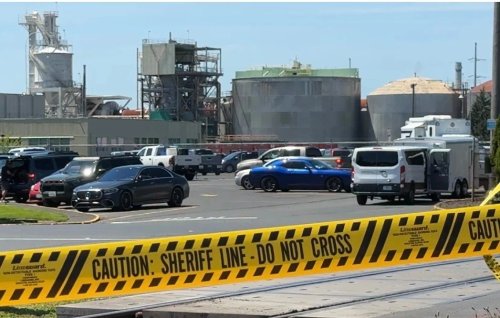
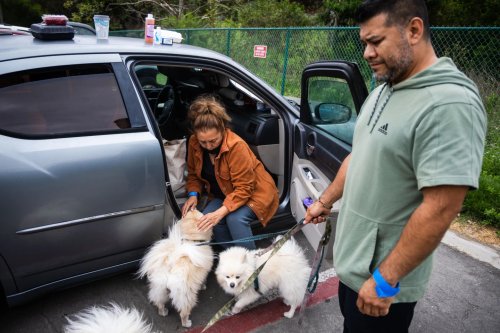
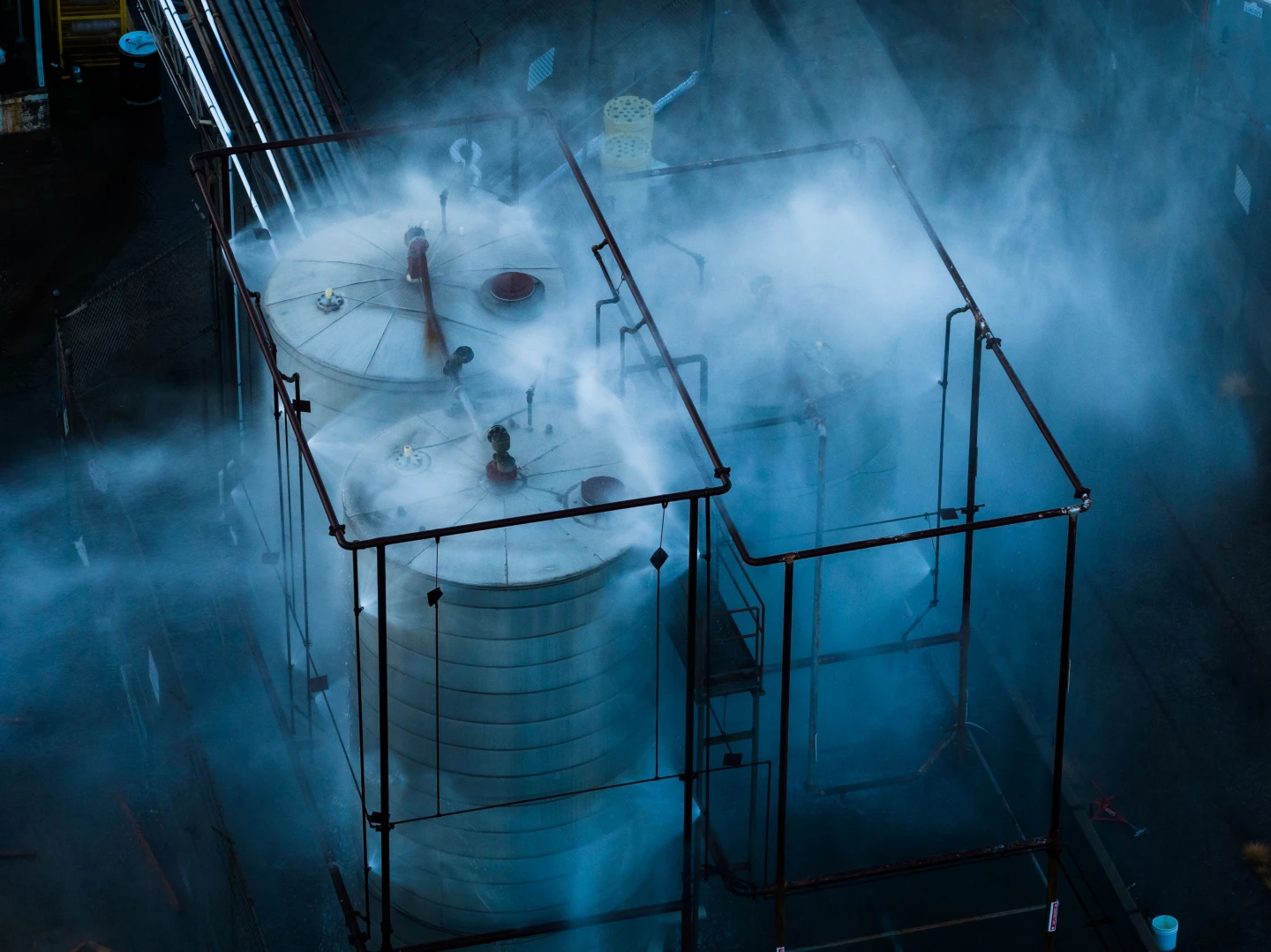
There are millions of chemical tanks in the U.S., and experts say that if they are properly maintained and inspected they rarely fail. Yet in the past week, two major hazardous chemical emergencies on the West Coast drew national attention: a corrosive‑chemical tank at a Longview, Washington, paper mill ruptured on Tuesday, killing two people and possibly nine others; and a chemical tank overheated in a Southern California aerospace plant, prompting the evacuation of 50,000 residents. Authorities mitigated the threat of a catastrophic explosion, and people have since returned home.The incidents have raised questions about who is responsible for regulating companies that handle dangerous materials. An Associated Press review found that officials at local, state, and federal levels all play a part in keeping these facilities safe.Chemical tank safetyChemical engineering professor Stephen Kmiotek told reporters that almost every industry uses tanks, making them ubiquitous. The very large number of tanks – probably millions nationwide – is not a risk in itself; what matters is that companies follow the standards for construction, maintenance and inspection. The Worcester Polytechnic Institute professor noted the failure rate is roughly one per million tanks each year.Kmiotek stressed the importance of frequent inspection, especially after a tank goes beyond ten years of service, and that highly corrosive substances such as the white liquor used in the Washington plant require more frequent valve replacement.After reporting the Washington incident, authorities say they do not yet know how old the tank was or when its valves were last replaced.History of chemical safetyFollowing the 1984 Bhopal disaster, the chemical industry adopted stricter safety measures: better tank construction, mandatory inspections, worker training and risk‑assessment exercises to determine what could go wrong. These lessons were meant to prevent future catastrophes.State inspectionsThe U.S. Environmental Protection Agency (EPA) responded to both incidents, while the U.S. Chemical Safety Board began an investigation into the Washington event. The independent federal agency investigates incidents that could cause a catastrophic release of extremely hazardous substances.However, state agencies in Washington and California were the primary regulators overseeing the two companies, along with local fire marshals and hazardous‑materials teams. Professor Marissa Baker of the University of Washington noted that the California Division of Occupational Safety and Health and the Washington State Department of Labor and Industries would conduct inspections. In Washington, the state labor agency typically triggers investigations after complaints or incidents, because there are far more chemical sites than inspectors. The Longview paper mill, operated by Nippon Dynawave, had been the subject of two previous state investigations unrelated to the latest incident.Federal oversightUnder federal law, facilities that store or use hazardous chemicals must maintain a “safety data sheet” describing hazards and recommended emergency responses. They must share this data with state, tribal and local officials, and under an EPA right‑to‑know rule, fire departments can conduct inspections on request.The Occupational Safety and Health Administration (OSHA) has Process Safety Management (PSM) standards for industries that use or store highly dangerous chemicals. These requirements include inspections, training, special work permits, operating procedures and emergency response planning. The California aerospace plant falls under PSM, but it was unclear whether the Longview paper mill did.Public‑health concernsPublic‑health expert Stephen Lester expressed concern that there are no clear exposure‑limit standards for the public after a spill or explosion. While workplace exposure standards exist, they do not account for vulnerable populations such as children, the elderly or immunocompromised people. Without health‑based guidelines, decision‑makers must rely on judgment calls, Lester said, which can lead to varying interpretations of what is “acceptable” exposure.Overall, the chlorine‑tank explosions point to the necessity of robust state inspections, clearer federal regulations, and more comprehensive public exposure guidelines to protect communities near hazardous‑chemical facilities.