In brief
In a shift from the Biden administration's policies, the Trump administration's EPA has proposed to roll back a regulation that helps control pollution affecting neighboring states. This move would allow states like Alabama, Arizona, Kentucky, and others to set their own ozone air pollution plans without federal interference. Environmental groups are concerned that this could worsen air quality and public health.
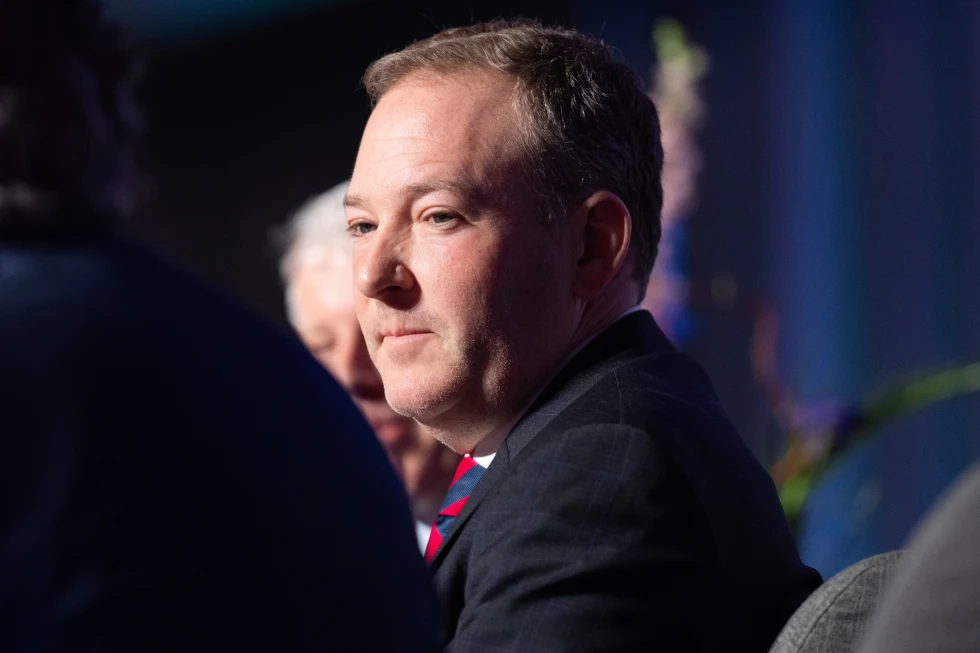
WASHINGTON (RTW) — The Trump administration announced on Wednesday its intention to rescind a key regulation aimed at limiting smokestack emissions that affect downwind areas in nearby states. The Environmental Protection Agency (EPA), under Administrator Lee Zeldin, is targeting the so-called 'Good Neighbor' rule as part of a broader effort to reevaluate existing environmental regulations.
This rule, previously supported under the Biden administration and recently invalidated by the Supreme Court, was designed to prevent coal-fired power plants and other industrial sites from contributing to air pollution that crosses state lines.
In the new proposal, the EPA seeks to allow eight states, including Alabama, Arizona, and Kentucky, to set their own plans to manage ozone air pollution without having to comply with federal mandates. Zeldin emphasized the administration's commitment to a system he labeled 'cooperative federalism', which advocates for states determining their own pollution control strategies.
Environmental advocates have criticized this initiative. They argue that it encourages states to neglect their responsibilities towards neighboring regions, potentially worsening air quality and public health. The Sierra Club's Zachary Fabish criticized the move, suggesting it favors industrial polluters over vital clean air protections.
The EPA's proposal is open for public comment for 30 days once published in the Federal Register. There are concerns that this rollback could lead to increased pollution levels, particularly affecting states further downwind from industrial activities.