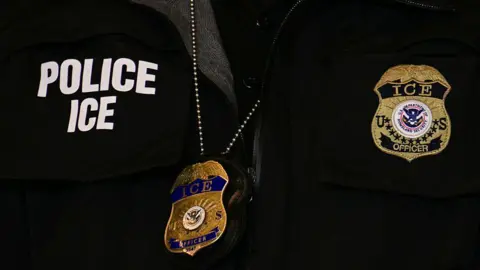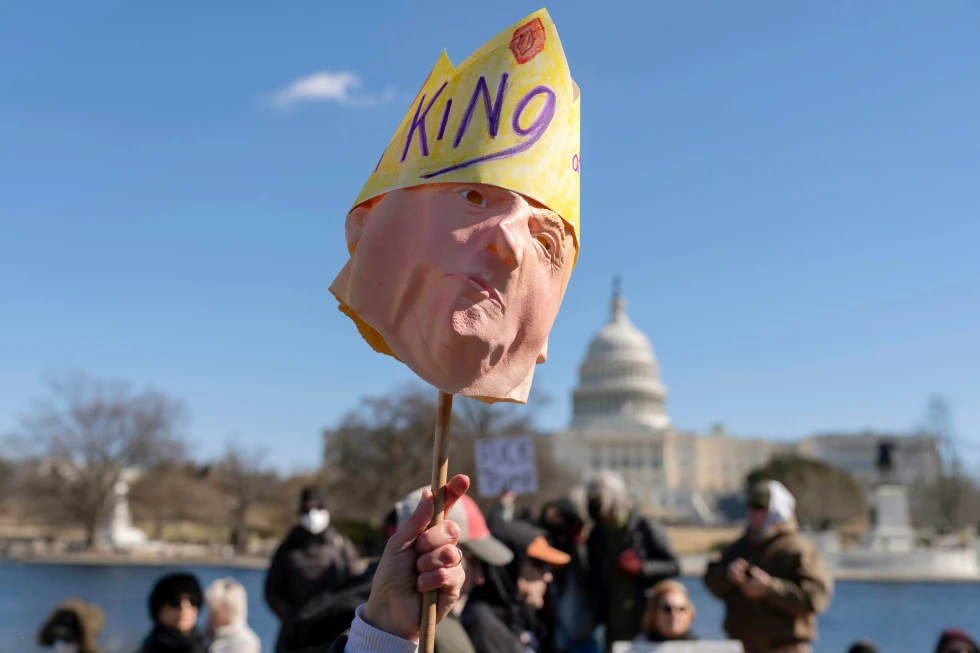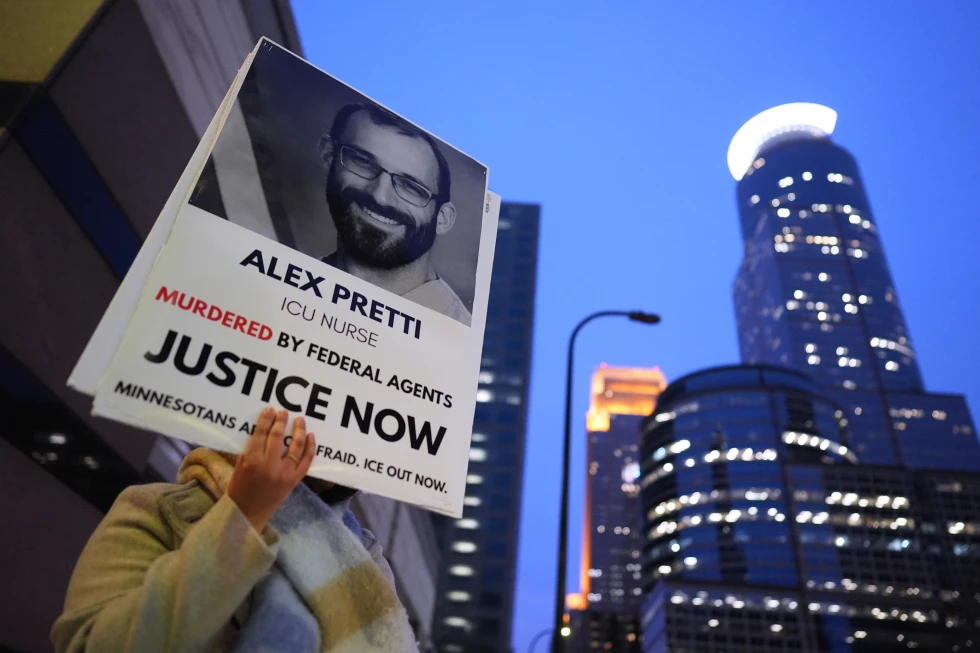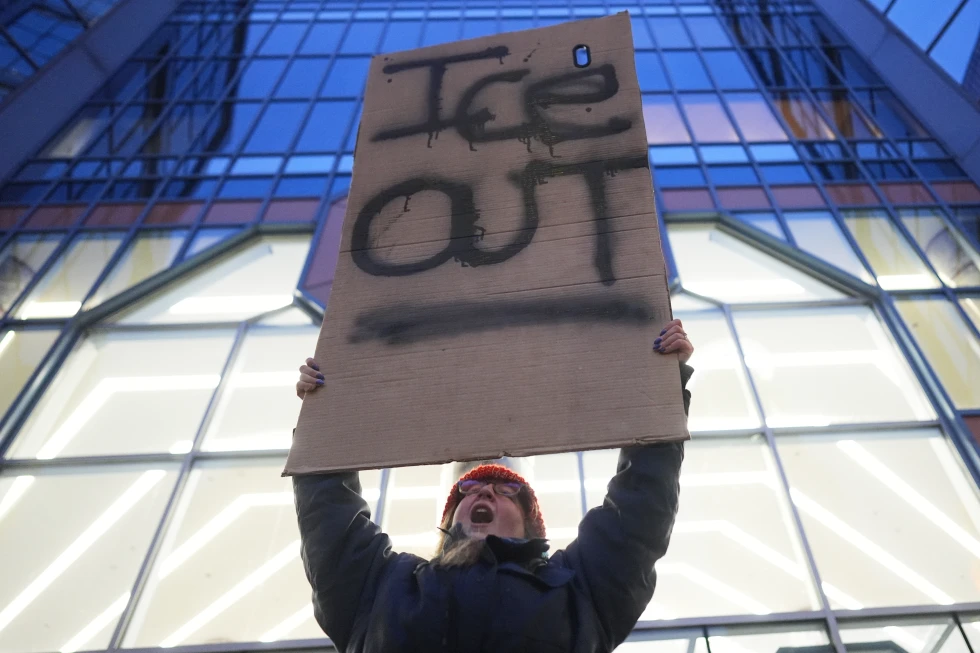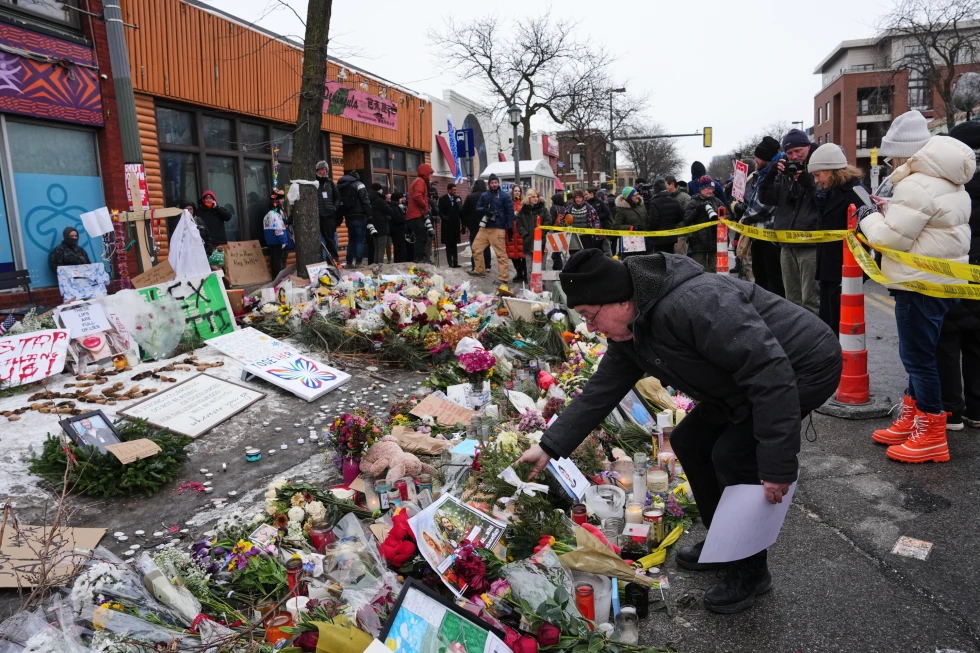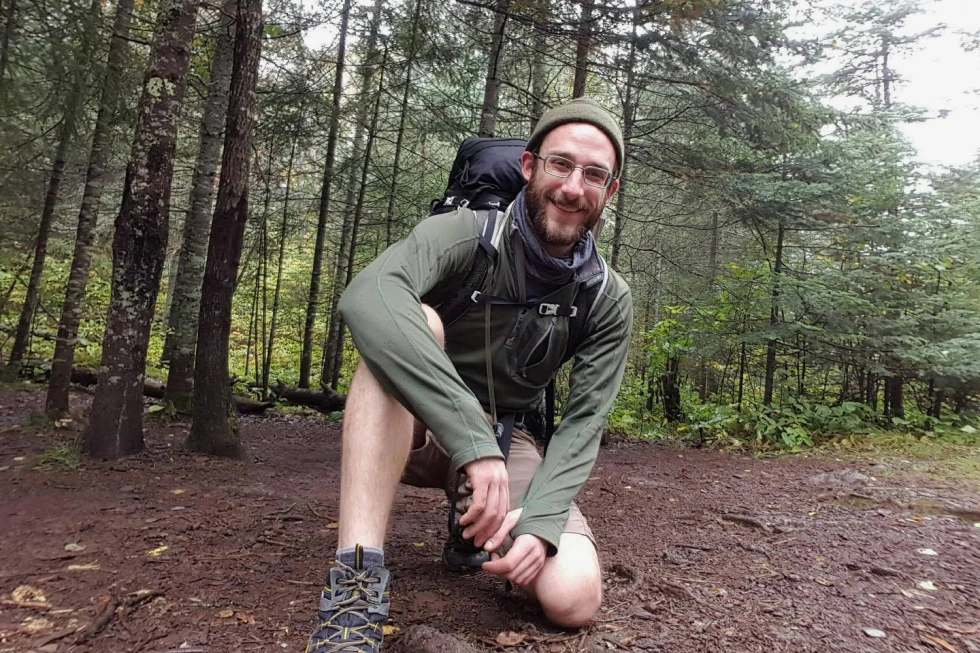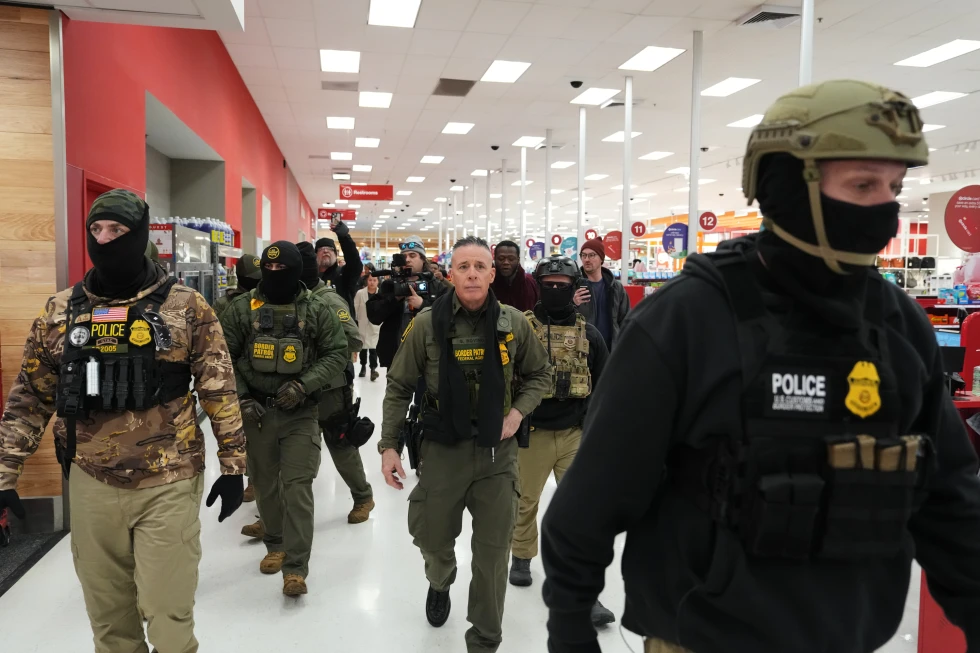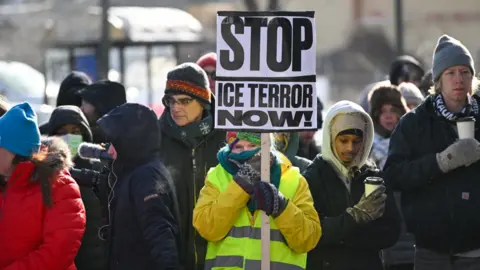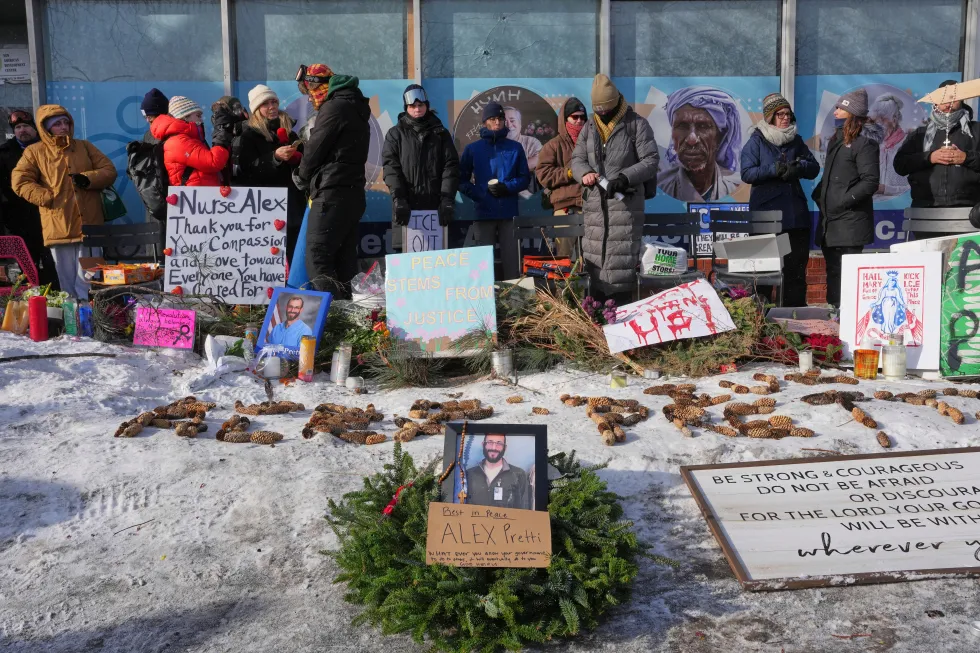
In a developing situation from Minneapolis, the shooting of Alex Pretti, a 37-year-old protester, has stirred significant controversy and political upheaval. The incident unfolded amid protests against federal immigration policies, with officials quickly attempting to depict Pretti as an armed disruptor posing a danger to law enforcement. However, footage reviewed by the Associated Press raises questions about these claims, showing Pretti, a nursing professional, participating peacefully in the protests.
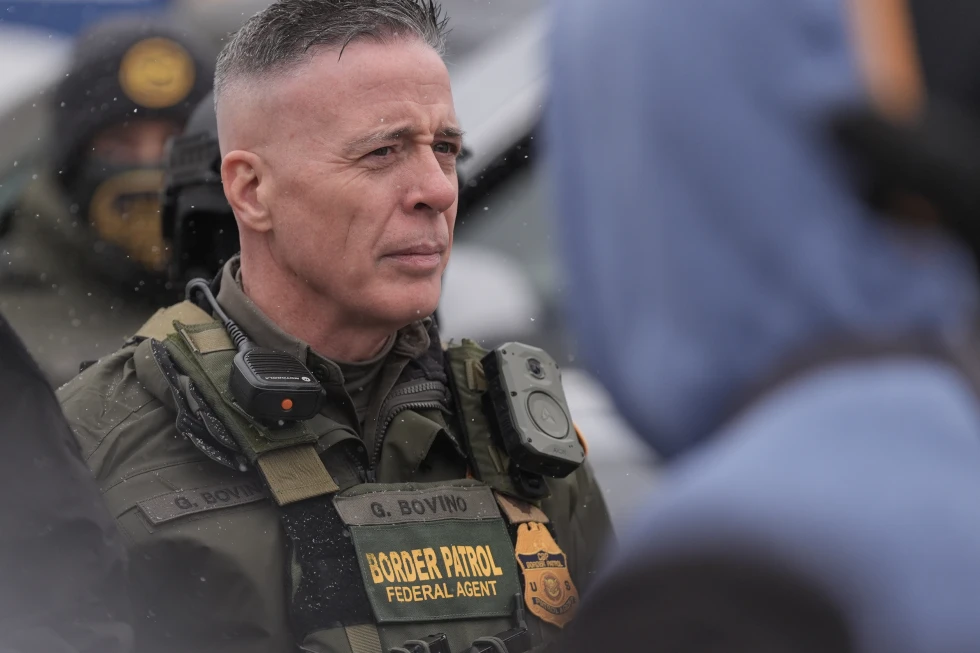
Border Patrol and other officials insist that Pretti acted as an aggressor during the incident. In response to the tragedy, Greg Bovino from the Border Patrol characterized Pretti as someone who sought to 'massacre law enforcement' during a news briefing shortly after the event. Others, including Homeland Security Secretary Kristi Noem, echoed claims that Pretti was proactively engaging in the violence.
In contrast, bystanders recorded the moments leading up to the confrontation, many highlighting that Pretti was unarmed at the time and engaged only as a documentarian of police actions against fellow protesters. One video shows him speaking with an officer before being forcefully subdued and subsequently shot. Multiple accounts indicate Pretti was licensed to carry a concealed weapon, but no visual evidence has surfaced showing him brandishing it during the altercation.
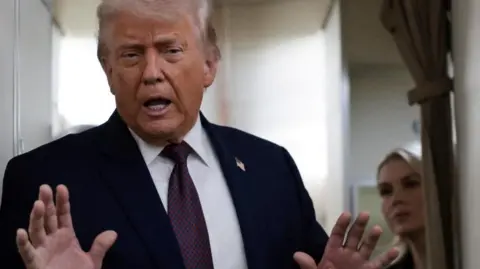
The fallout from this event has engaged high-profile political figures. President Donald Trump and Vice President JD Vance swiftly attributed the chaos to local government factors, accusing Minnesota officials of facilitating discord and endangering communities.
As the narrative continues to unfold, Minnesota’s political leadership, including Governor Tim Walz, has expressed a commitment to maintaining peace and condemning the use of inflammatory rhetoric that may contribute to escalating tensions. The contrasting depictions of Pretti's actions reflect a broader national discourse regarding immigration enforcement, civil rights protests, and political accountability. This event may shape future dialogues around law enforcement and its conduct in community interactions.