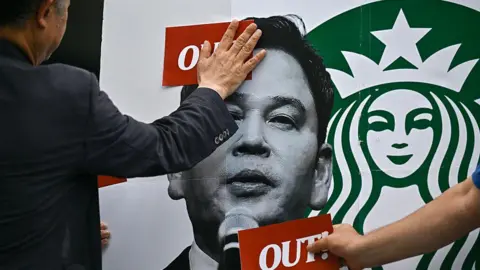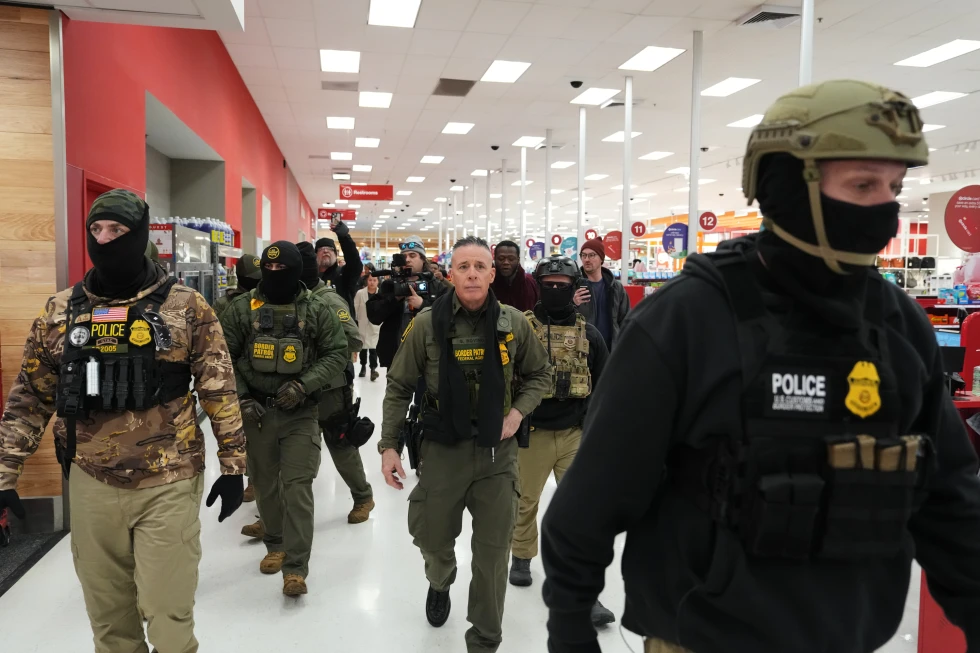
From family-run cafes to retail giants, businesses are increasingly coming into the crosshairs of President Donald Trump’s mass deportation campaign, facing public pressure to speak out against aggressive immigration enforcement and becoming sites for such arrests themselves.
In Minneapolis, where the Department of Homeland Security is conducting its largest operation ever, hotels, restaurants, and other businesses have temporarily closed their doors or stopped accepting reservations amid widespread protests.
On Sunday, after the U.S. Border Patrol shot and killed Alex Pretti in Minneapolis, more than 60 CEOs of Minnesota-based companies, including Target, Best Buy, and UnitedHealth, signed an open letter calling for 'an immediate de-escalation of tensions and for state, local, and federal officials to work together to find real solutions.'
Despite the outcry, the letter did not directly mention immigration enforcement or the recent arrests happening within businesses. Earlier this month, videos circulated showing federal agents detaining two Target employees in Minnesota, and ICE has been rounding up day laborers in Home Depot parking lots nationwide. Previously, federal agents detained 475 individuals during a raid at a Hyundai plant in Georgia.
What ICE Is Allowed to Do
ICE is permitted to enter public areas of a business without a warrant, including dining sections, parking lots, and shopping aisles. Jessie Hahn, of the National Immigration Law Center, stated that law enforcement agents can enter these spaces just as any member of the public can.
However, to access areas with a reasonable expectation of privacy, ICE needs a judicial warrant. Judicial warrants are distinct from administrative warrants, which can be signed by immigration officers, leading to rising concerns among immigrant rights advocates about the legality of their operations.
Actions Against Employers
ICE enforcement has escalated, including I-9 audits verifying employees' work authorization. Unlike past practices where audits were more commonly initiated via mailed notifications, ICE now shows up physically at business locations, often in full tactical gear.
Rights of Businesses
Businesses are allowed to refuse entry to ICE agents who do not present a warrant, but the actual compliance by agents can be unpredictable, especially within public areas.
In response to increasing ICE activity, some companies in Minneapolis and other cities have implemented measures to protect their employees and business operations, including educating workers on warrants and establishing protocols for ICE visits.
Public Response and Business Reaction
The public outcry regarding ICE's increased enforcement at businesses has led to criticism directed at companies for their lack of engagement in the conversation. While smaller business owners are vocal about the impact on workers, larger corporations like Target have faced scrutiny for remaining silent.
These dynamics raise questions about the broader implications of ICE's tactics and policies on the economy and community stability.