My friends are all like me. We all know someone who was killed in the protests. Parisa, a 29-year-old from Tehran, shares her heart-wrenching account amidst a deadly crackdown by security forces that began on December 28.
In past protests, I didn’t personally know anyone who had died, she reflects. The current unrest has taken a deadly turn with reports indicating at least 6,000 fatalities, as the government faces mounting criticism for its violent response.
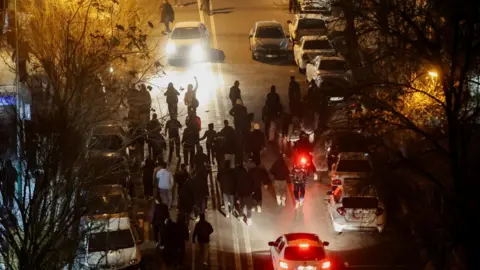
Parisa, who actively participated in the protests, recounted witnessing her friends fall to gunfire: On 8 January, during the protests, a young woman was shot by a hail of bullets in the street. I felt terrified yet compelled to join in, as our voices are fueled by desperation for change and justice.
Eyewitnesses describe an atmosphere riddled with fear, as shootings occurred even amidst peaceful demonstrations. One protester, Mehdi, recalls, I witnessed multiple killings by security forces, who shot at close range. The scope of this violence is unprecedented. Many felt they had nothing left to lose, prompting them to come out and demand change.
The horrifying events have escalated a culture of silence among families. Reports abound of the authorities manipulating the deceased's identities, coercing bereaved families to pay significant sums or falsely present their loved ones as security forces casualties.
Sahar, another participant, details the trauma experienced during protests. My friend was shot while looking out of a window. Others were severely injured by pellet guns. This violence is aimed explicitly at our faces and eyes. The trauma extends beyond the physical, impacting our very spirits.”
The Iranian government claims that most casualties are either security personnel or bystanders attacked by rioters—a stark contrast to the reports of families mourning their loved ones. Human rights groups condemn the crackdown, warning it could reach catastrophic death tolls as protests continue.