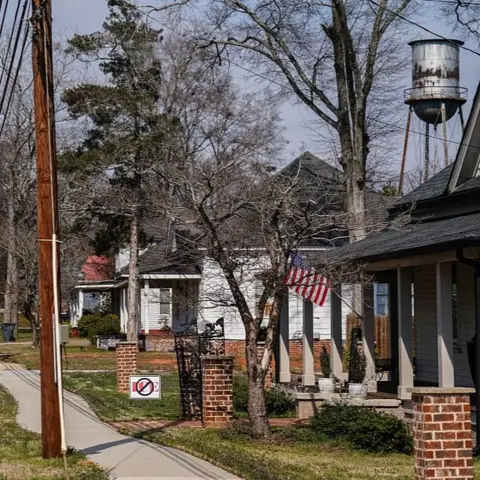
For months, two neighbours, Democrat Gareth Fenley and conservative John Miller, have been united in the same daily mission.
Each morning the two get into their cars and drive several miles down the farm-lined roads of their small Georgia town to an empty one-million square-foot gray warehouse.
On arrival, they search meticulously for signs of construction, breathing a sigh of relief each time the massive property appears untouched.
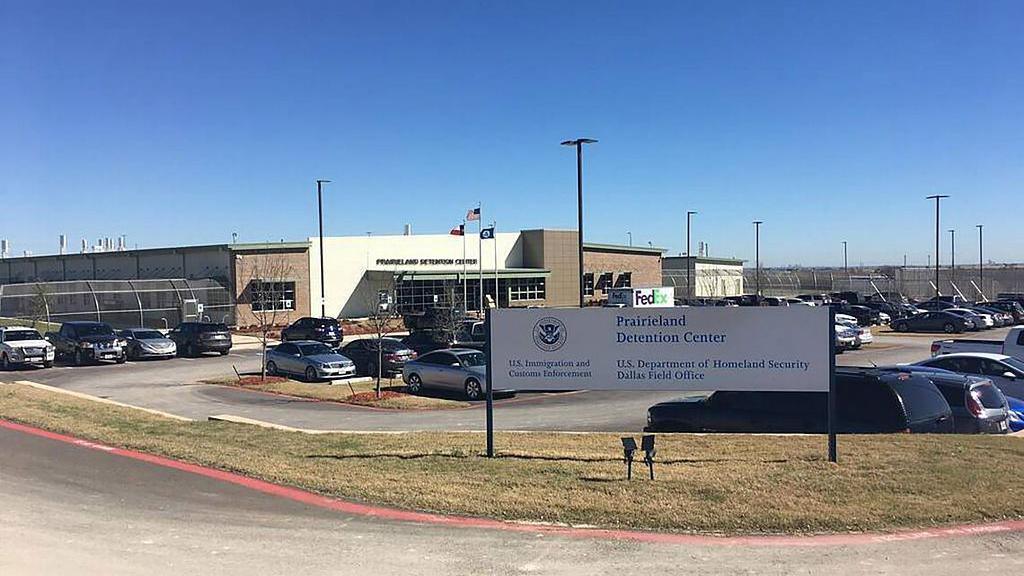
The sprawling industrial warehouse, which the US Department of Homeland Security (DHS) bought in February, is part of a $38.3bn (£29bn) plan to open up dozens of immigration detention centres across the US.
Those plans have faced fierce opposition, not just in Democratic communities, but in conservative towns like Social Circle, which overwhelmingly supported Donald Trump in the last election - including his campaign promise to deport millions of undocumented immigrants.
People have different reasons for aligning with the exact same message, Fenley said. That message is: 'Detention centre, not welcome here.'
Many who support the president's immigration policies are concerned the facility would starve the small town of critical resources by tripling its population.
In March, those concerns led City Manager Eric Taylor to shut off the water in the warehouse, a move that made this one-stoplight town the unlikely face of resistance to the administration's plans.
If you open up that water meter, it gives them full access to the entire supply of the whole city, Taylor told the BBC. I can't let that happen without knowing what the ultimate impact is going to be.
Now those plans for a 10,000-person detention centre appear to be on hold. The department also signalled that it is pausing plans to buy more warehouses.
Residents are cautiously optimistic. We're anxious to see what happens out of this review... We're still whispering up the chain as much as we can to make sure that if they are indeed reviewing it, we can give input, Miller said.
In the centre of Social Circle lies a replica of a well, a nod to the origins of the town, established in 1832. Nearly 200 years later, the town's water system has had problems for decades, and the ICE facility would require much more than the fragile system can provide.
City Manager Taylor stated that while the town has a permit to pull only one million gallons of water each day, the current usage is about 800,000 gallons. The proposed facility's demand could exceed this limit.
Where's the sewage supposed to go? We don't have the capacity to support a million gallons of sewer coming off that site, Taylor highlighted, voicing concerns regarding the aging infrastructure.
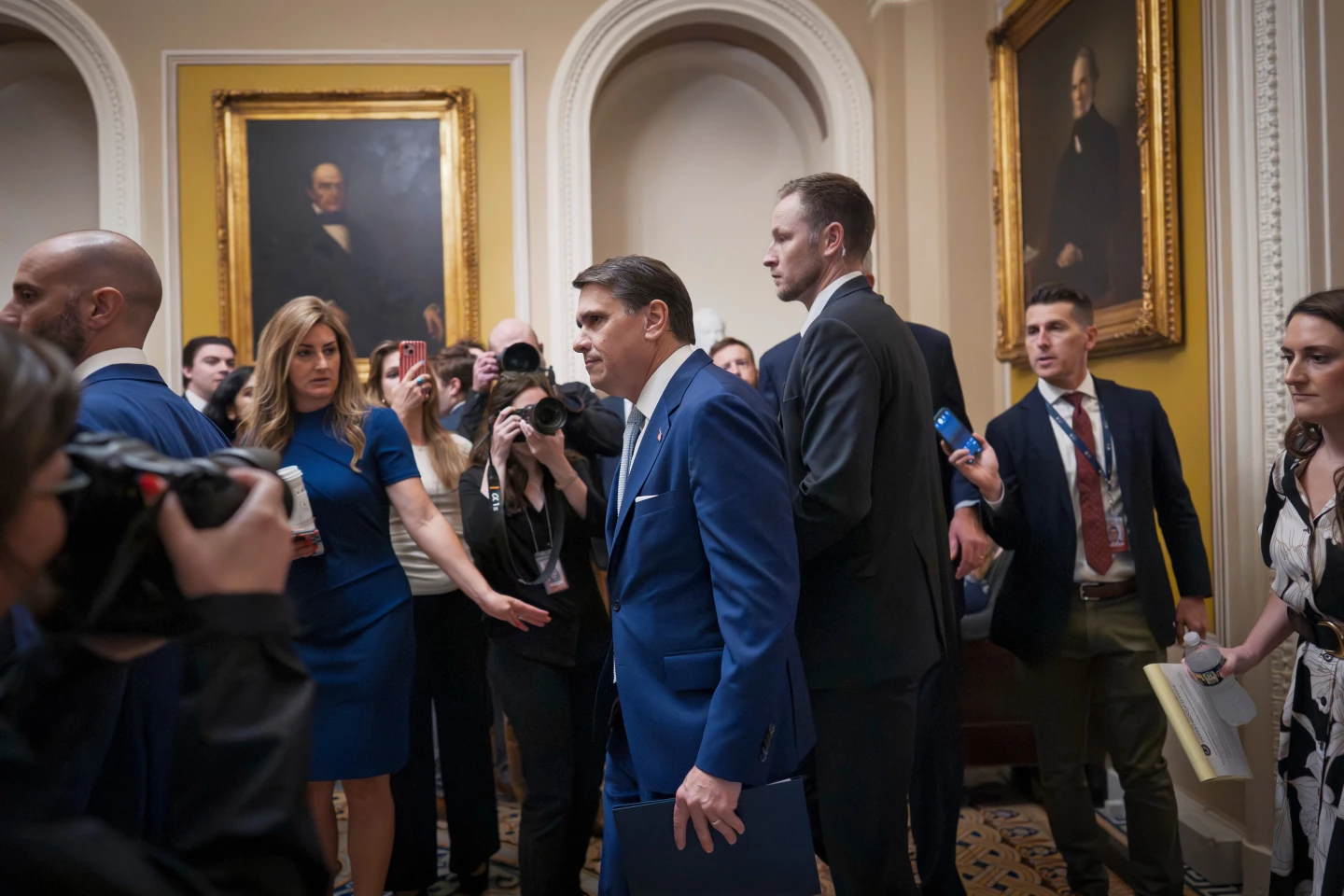
Residents across party lines, including Republican Representative Mike Collins, have expressed opposition due to concerns about resource limitations and the facility's implications for community safety.
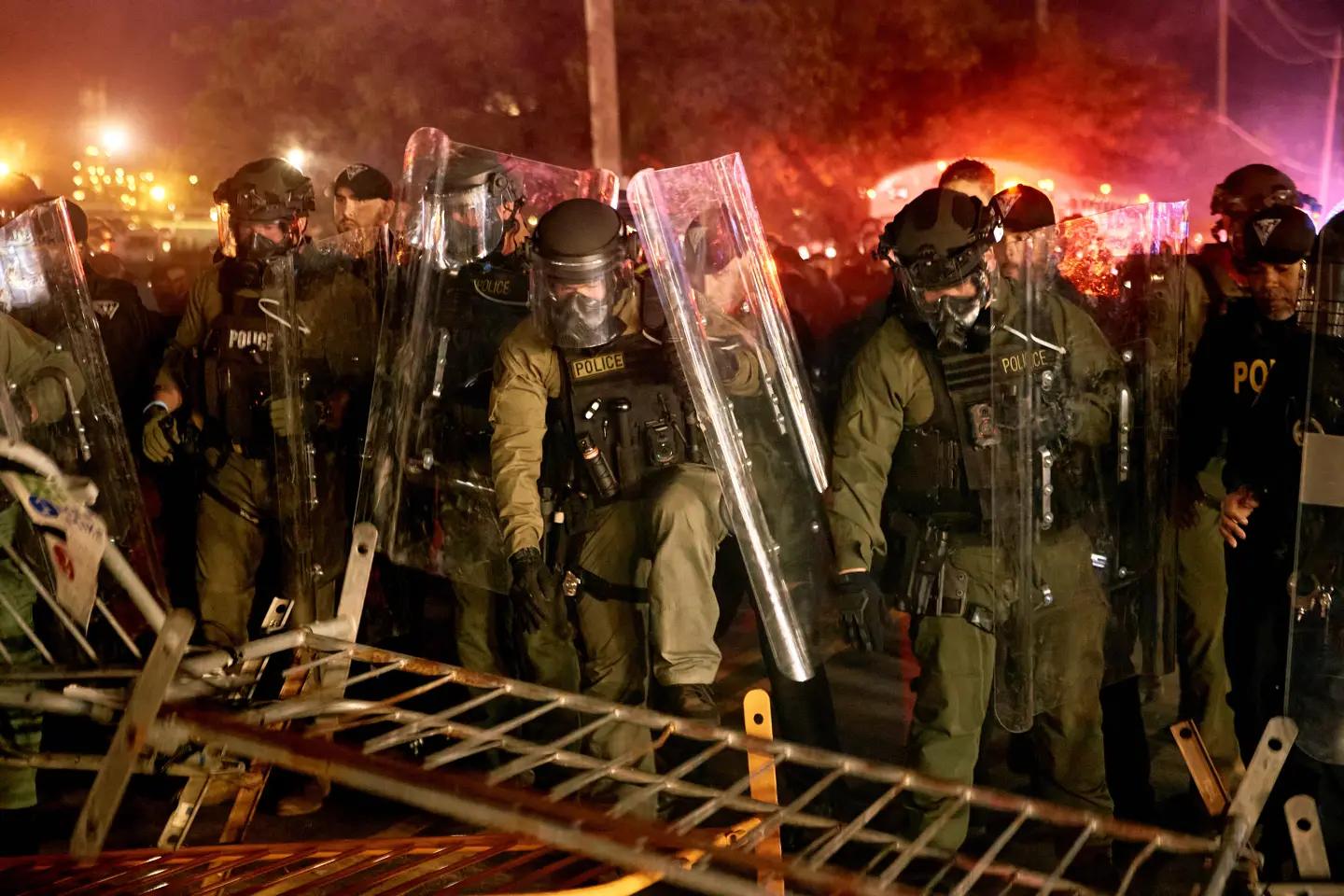
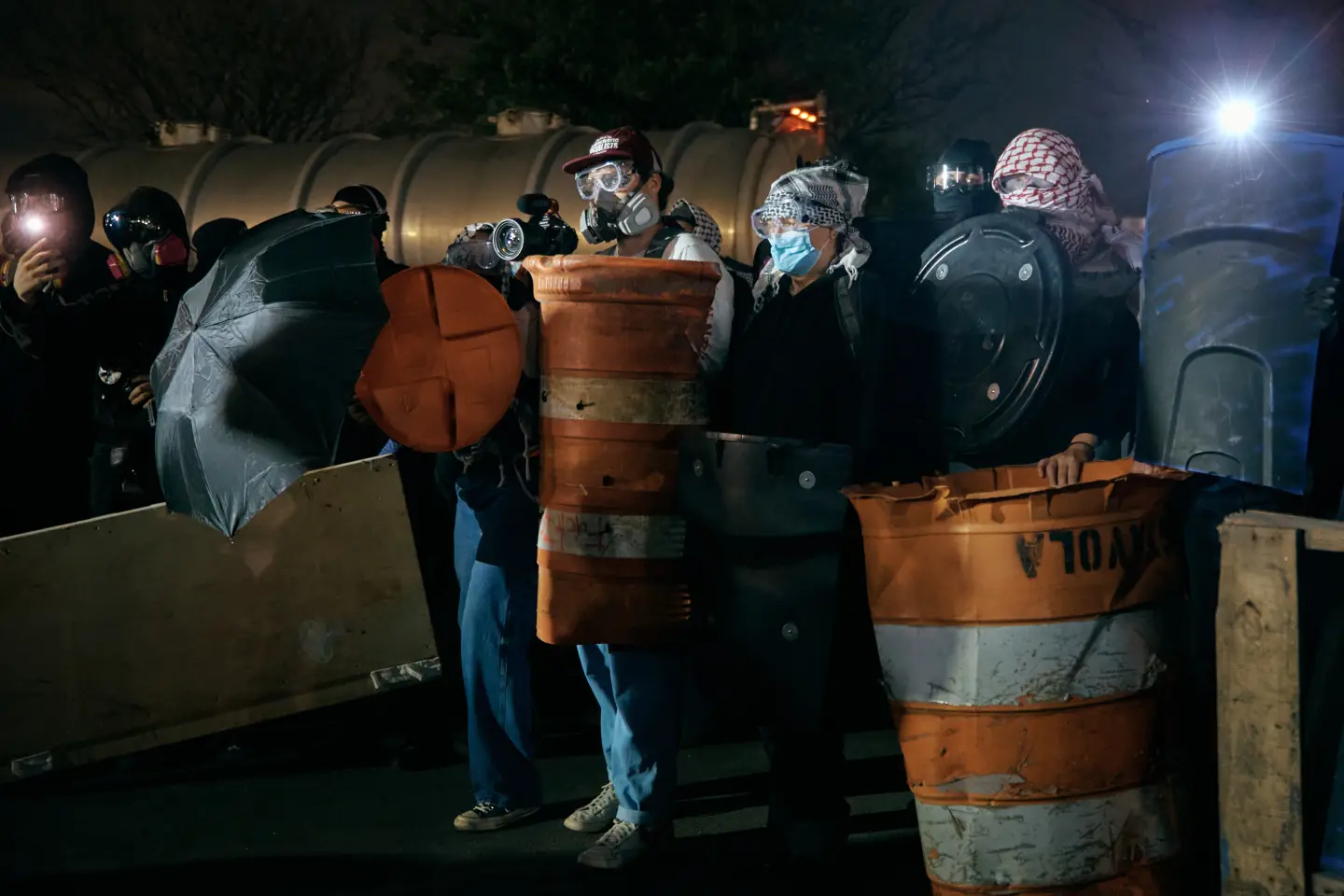
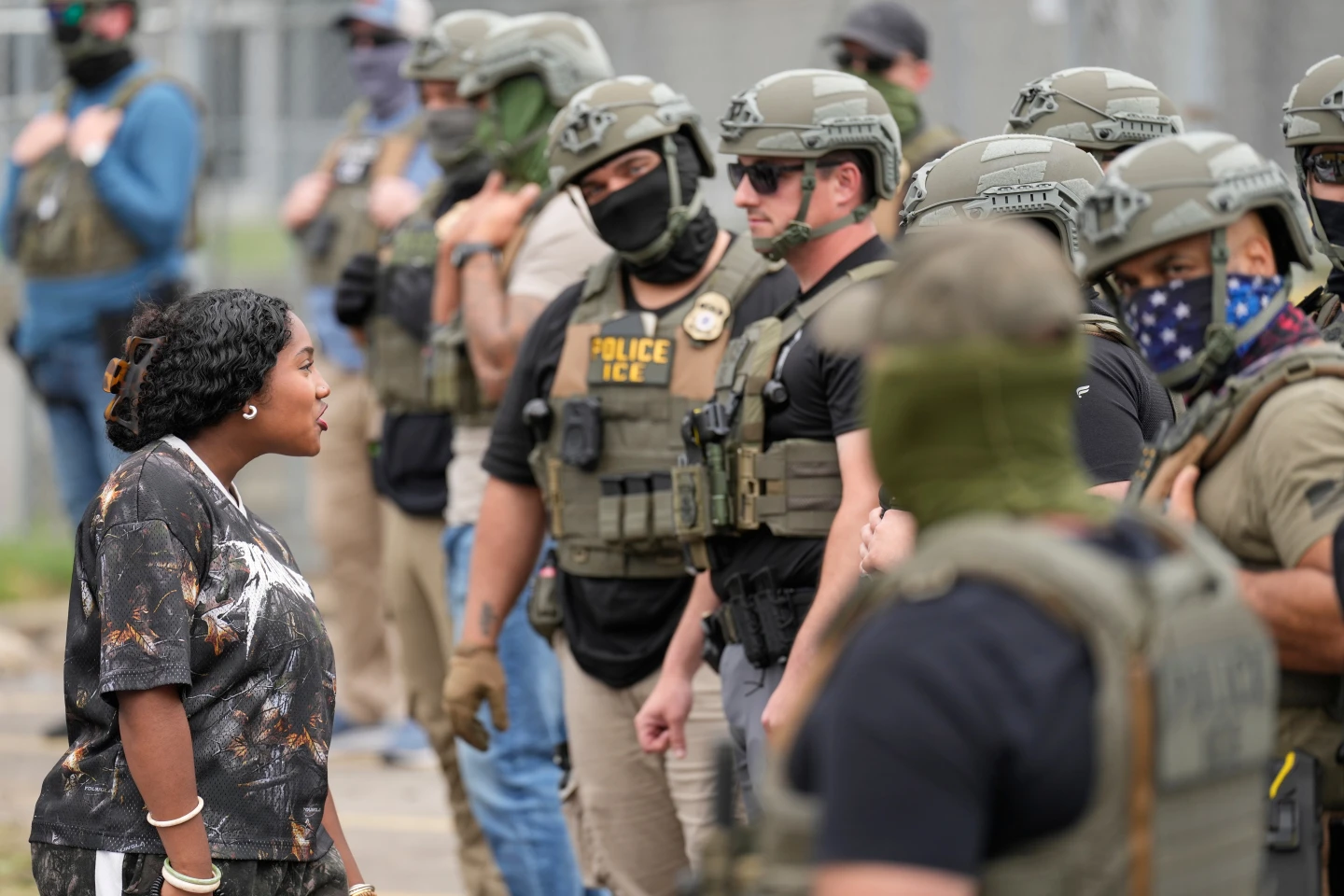
The community has organized protests and reached out to their representatives in response to the continued push for the facility, reflecting both local and national opposition to similar projects throughout the country.
Ultimately, this small farming town's resistance highlights the complex dynamics of immigration policy and its impact on local communities.