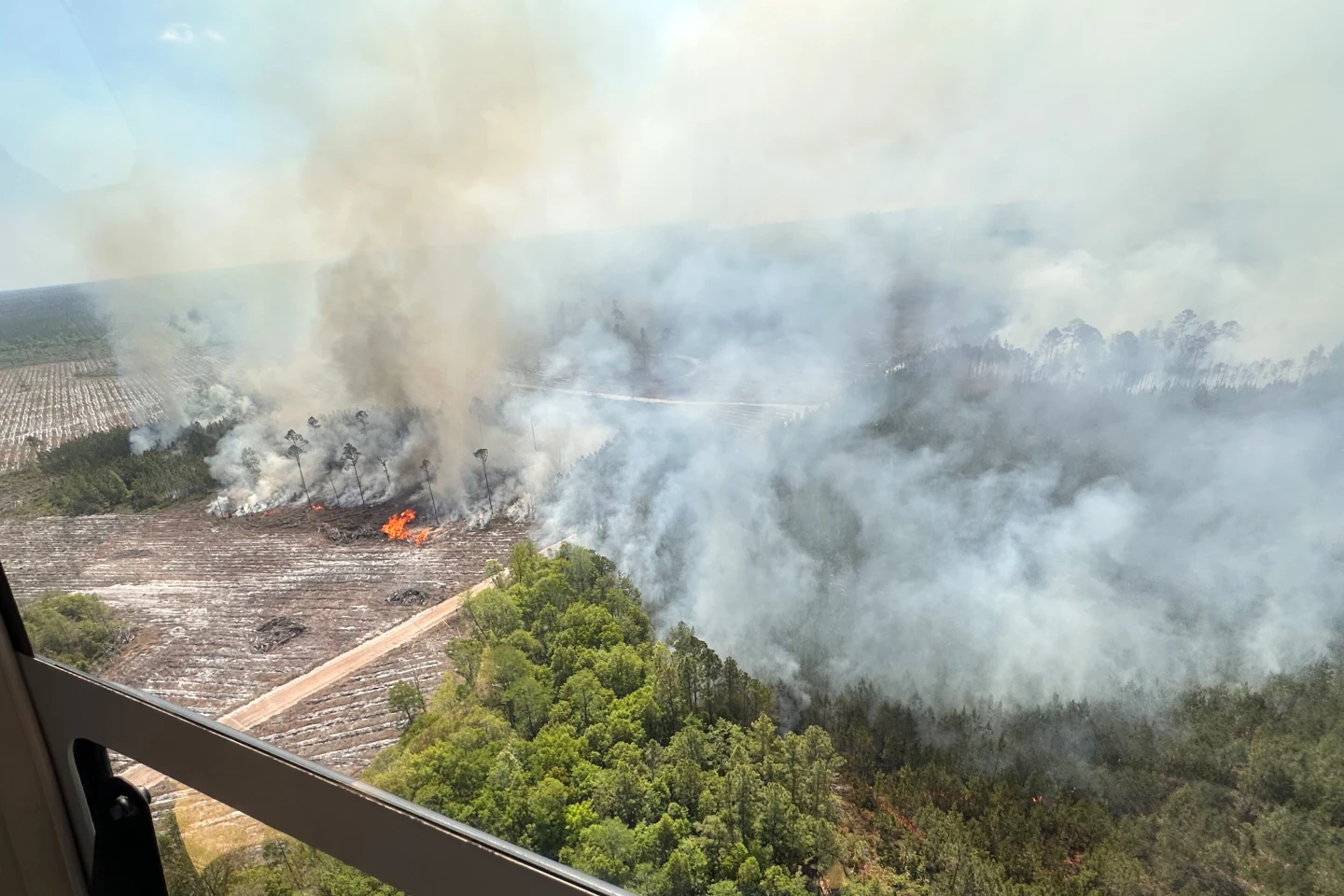
This week, the Trump administration approved major disaster declaration requests for at least seven states. The declaration allows affected communities to tap into federal resources, as disclosed on Saturday by the Federal Emergency Management Agency (FEMA).
States receiving major disaster declarations include: Alaska, Idaho, Montana, Oregon, South Carolina, South Dakota, and Washington. These declarations open the door to federal support and funding for various recovery needs, such as infrastructure repairs and survivor assistance.
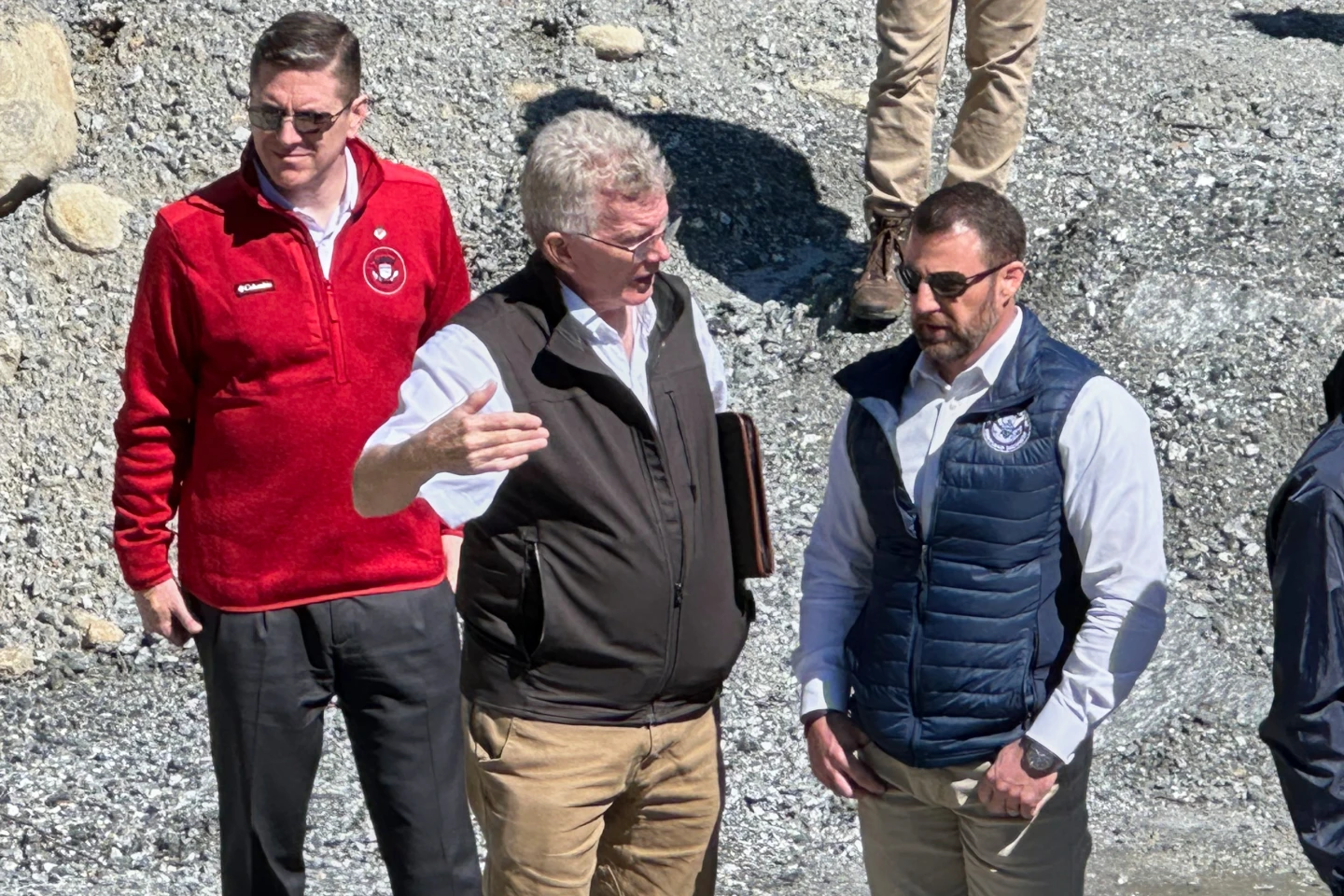
The announcement comes only weeks into Homeland Security Secretary Markwayne Mullin’s leadership of the disaster relief agency, suggesting he may be working to smooth out the agency's operations following the tumultuous period under previous head Kristi Noem, who was dismissed by President Trump in March.
However, the ongoing Department of Homeland Security (DHS) shutdown, which has now lasted eight weeks, poses a risk to FEMA’s operations. Even though disaster responses can continue due to the availability of FEMA’s Disaster Relief Fund, concerns grow as the fund’s balance diminishes amid the funding impasse. The DHS appropriations bill aims to replenish the fund with over $26 billion.
As the situation evolves, Mullin indicated plans to inform Trump about the pending disaster requests, aiming to expedite actions regarding past disasters in light of the incoming Atlantic hurricane season starting June 1.
White House spokesperson Abigail Jackson stated that each disaster request is met with careful consideration to ensure effective use of taxpayer funds. The administration encourages state and local governments to invest in their own resilience to improve disaster management and recovery.
While the future of FEMA remains uncertain with potential shifts in responsibilities towards states, the agency has seen prolonged waiting times for disaster request approvals during Trump’s administration. A recent analysis revealed that communities are waiting longer for responses, spanning more than a month on average.
Some states claim they have been denied assistance despite substantial needs. For example, Maryland’s governor expressed frustration after being denied federal support for significant flooding damages, despite assessments validating the need for assistance.
This week’s approvals did not include hazard mitigation funding, which had previously been a helpful component of disaster support to bolster community resilience.