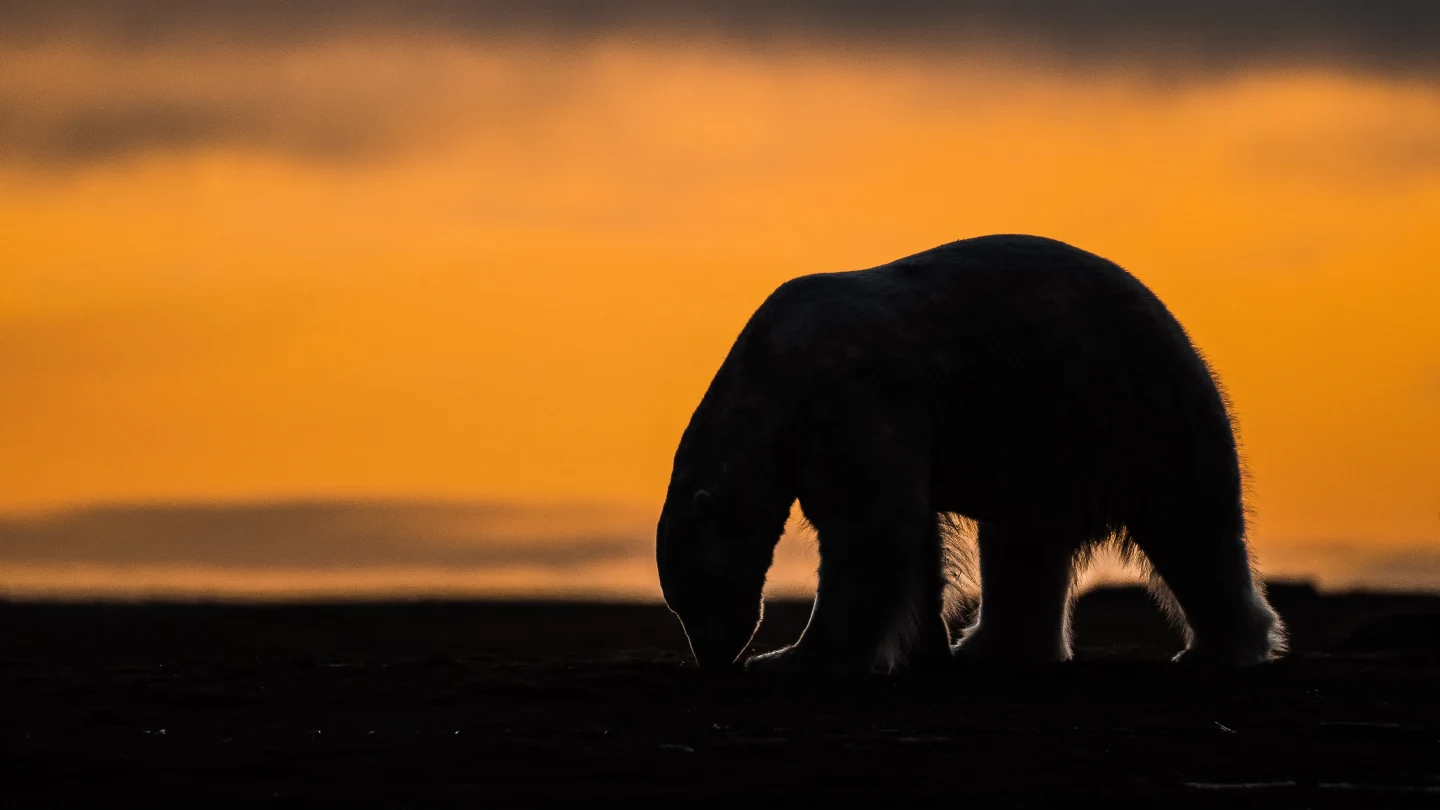
Kaktovik, Alaska (AP) — Each summer, large white polar bears gather near this remote Native village to feast on whale carcasses left by hunters and wait for the sea to freeze. This dramatic wildlife spectacle previously attracted over a thousand tourists each year, but the pandemic and federal regulations halted many boat tours, stopping a vital source of income for residents.
Local leaders are now planning to revive polar bear tourism, envisioning a sustainable approach that respects both their community and the wildlife. Charles Lampe, president of the Kaktovik Inupiat Corporation, highlights the economic potential, but insists that tourism cannot return to its previous level of unchecked growth.
This increase in visitors had overwhelmed the small village's infrastructure, with larger tour operators displacing locals and causing strain in daily life, such as affecting access to medical flights. The community experienced significant disruptions with tourists trampling through backyards and disregarding local customs.
Amid these challenges, federal guidelines required permits and insurance for tourist operators, which many locals could not meet, leading to a rise in commercial tourism from non-resident companies.
Amid safety concerns, the U.S. government suspended boat tours in 2021 after local leaders raised alarms about the bears adapting to human presence, which created dangerous situations. At the same time, polar bear populations are threatened by climate change, intensifying urgency for responsible tourism practices.
As discussions about reopening commence with the U.S. Fish and Wildlife Service, community leaders are advocating for proactive measures to limit the duration of boat tours and educate visitors on local customs, aligning tourism with traditional subsistence whaling practices. Leaders like Lampe are hopeful to create a respectful environment as they plan to welcome tourists back in the coming years.
With this renewed focus, Kaktovik aims not only to attract visitors but also to educate them about the local way of life and the importance of wildlife conservation, potentially creating a sustainable tourism model for the future.