Sri Lanka has declared every Wednesday a public holiday to conserve fuel as the island nation grapples with possible shortages in the wake of the US and Israel's war with Iran.
We must prepare for the worst, but hope for the best, President Anura Kumara Dissanayake said at an emergency meeting with senior officials on Monday.
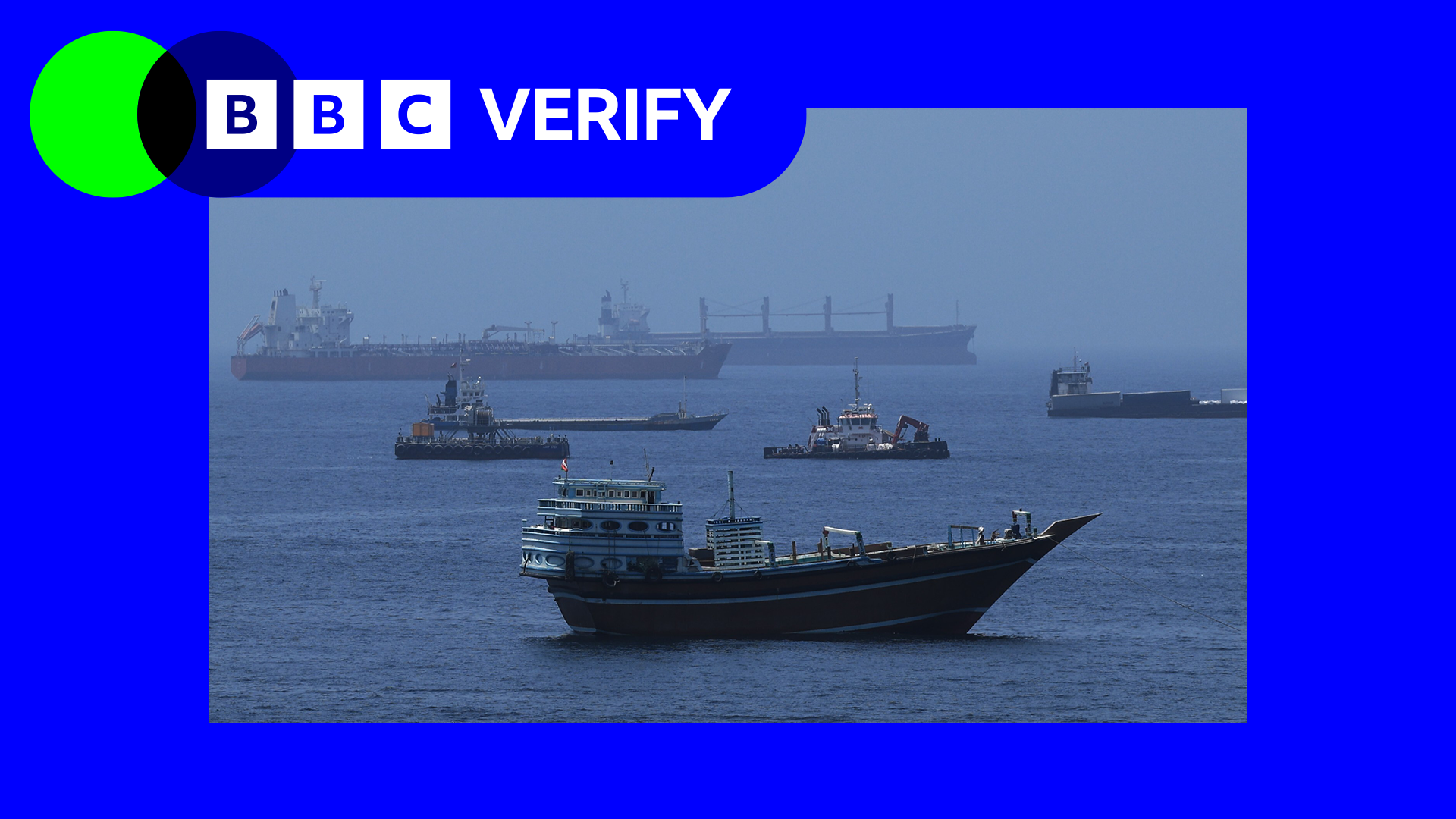
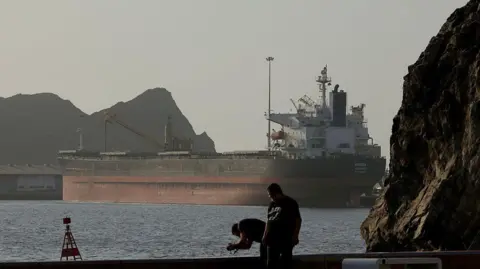
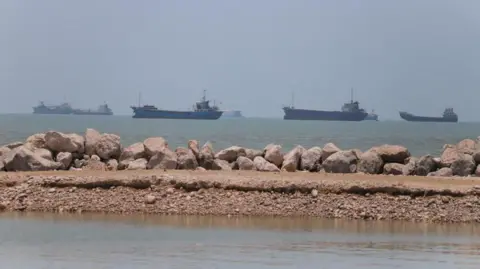
This is the latest in a series of belt-tightening measures undertaken by Asian countries since the war erupted in the Strait of Hormuz, a crucial oil route.
Nearly 90% of all oil and gas flowing through the strait last year was bound for Asia, which is the world's largest oil-importing region.
Elsewhere in Asia, authorities have resorted to a variety of austerity measures. In Thailand, the government encourages people to swap business attire for short-sleeved shirts to reduce air conditioning use, while in Myanmar, private vehicles operate only on alternate days based on their license plate numbers. Bangladesh has advanced its Ramadan holidays for universities and implemented planned blackouts nationwide. In the Philippines, some offices impose a work-from-home policy at least once a week, while non-essential public travels have been banned by President Ferdinand Marcos Jr.
Vietnam is encouraging citizens to minimize personal vehicle use and utilize bicycles or public transport.
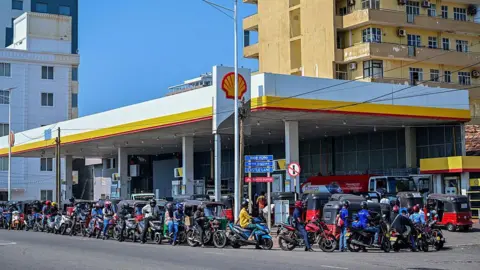
Sri Lanka's new four-day workweek will also apply to schools and universities but will exempt essential services. Motorists are required to register for a National Fuel Pass which imposes fuel purchase limits, causing discontent among citizens due to perceived low quotas of fuel.
This rationing mechanism was initially enforced in 2022 during Sri Lanka's severe economic crisis and comes amidst rising oil prices linked to the ongoing conflict, currently hovering around $100 per barrel.
We must prepare for the worst, but hope for the best, President Anura Kumara Dissanayake said at an emergency meeting with senior officials on Monday.
This is the latest in a series of belt-tightening measures undertaken by Asian countries since the war erupted in the Strait of Hormuz, a crucial oil route.
Nearly 90% of all oil and gas flowing through the strait last year was bound for Asia, which is the world's largest oil-importing region.
Elsewhere in Asia, authorities have resorted to a variety of austerity measures. In Thailand, the government encourages people to swap business attire for short-sleeved shirts to reduce air conditioning use, while in Myanmar, private vehicles operate only on alternate days based on their license plate numbers. Bangladesh has advanced its Ramadan holidays for universities and implemented planned blackouts nationwide. In the Philippines, some offices impose a work-from-home policy at least once a week, while non-essential public travels have been banned by President Ferdinand Marcos Jr.
Vietnam is encouraging citizens to minimize personal vehicle use and utilize bicycles or public transport.
Sri Lanka's new four-day workweek will also apply to schools and universities but will exempt essential services. Motorists are required to register for a National Fuel Pass which imposes fuel purchase limits, causing discontent among citizens due to perceived low quotas of fuel.
This rationing mechanism was initially enforced in 2022 during Sri Lanka's severe economic crisis and comes amidst rising oil prices linked to the ongoing conflict, currently hovering around $100 per barrel.