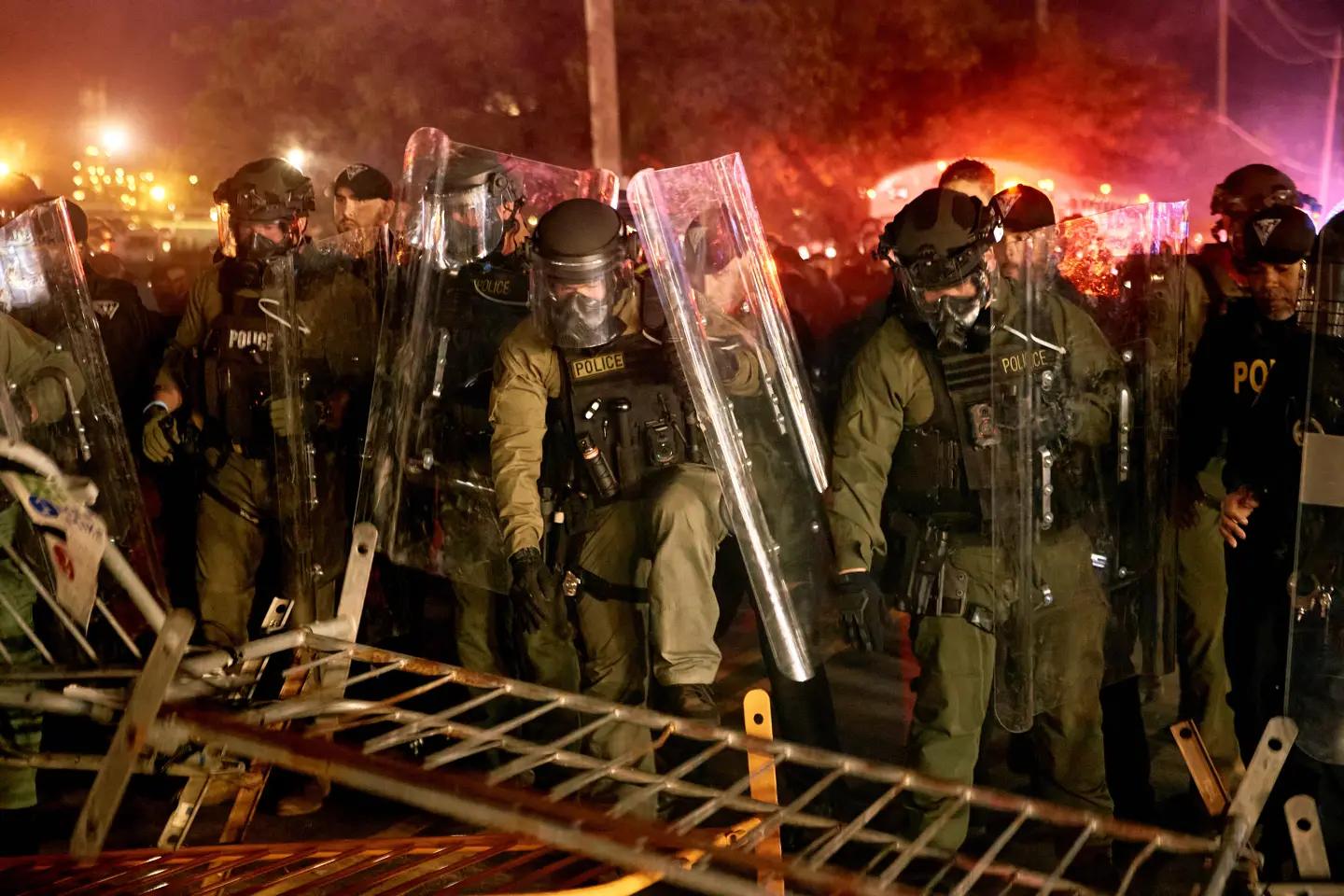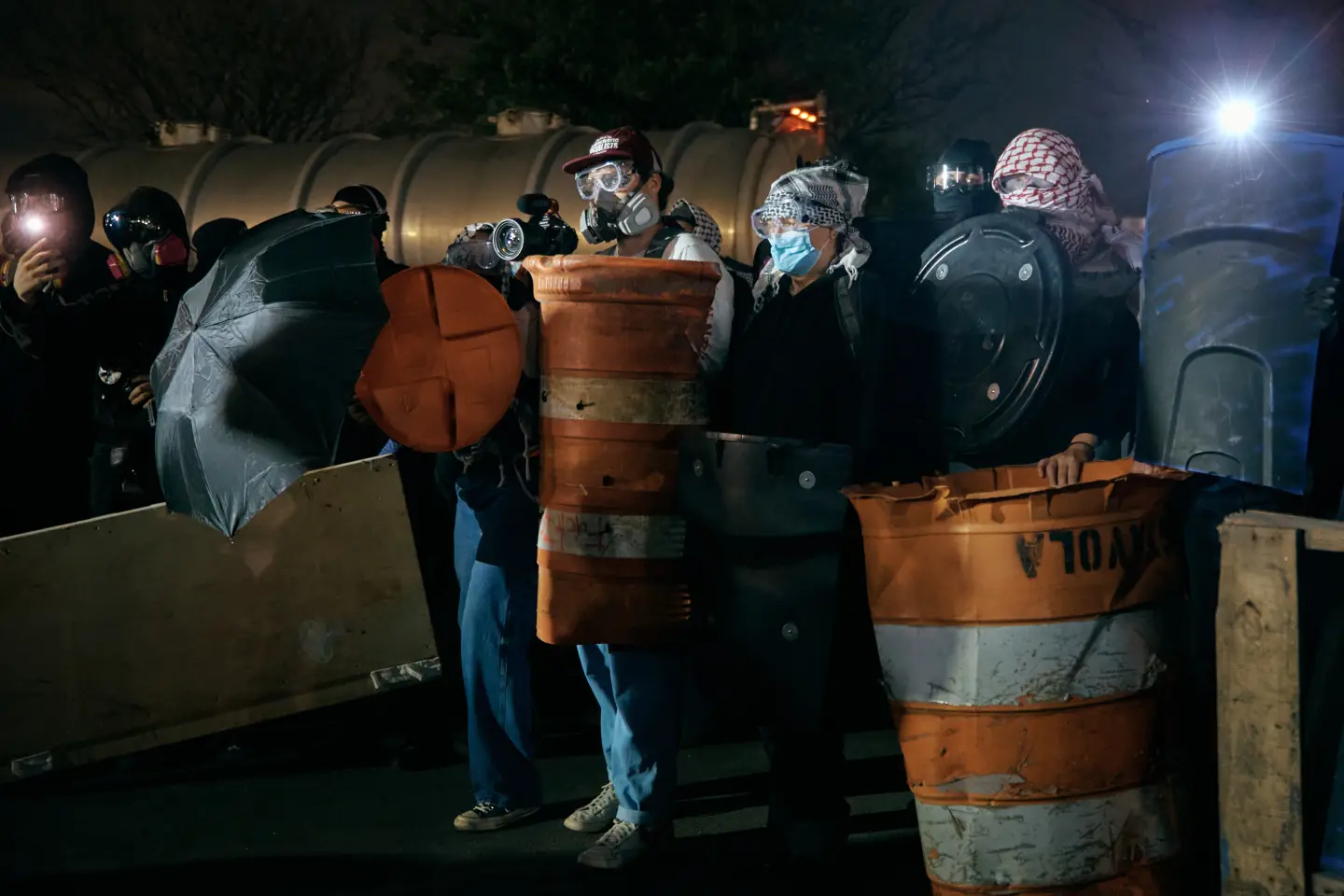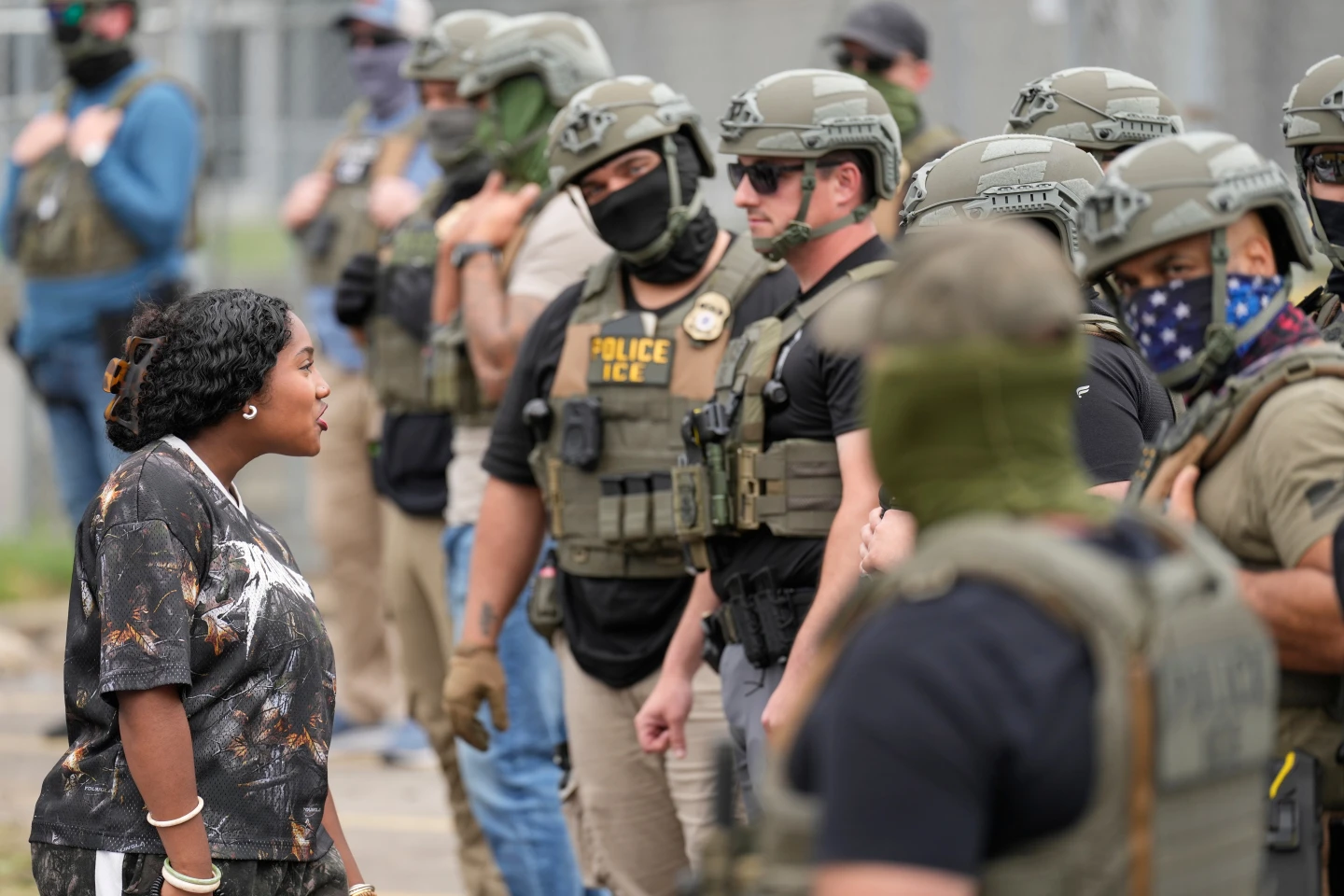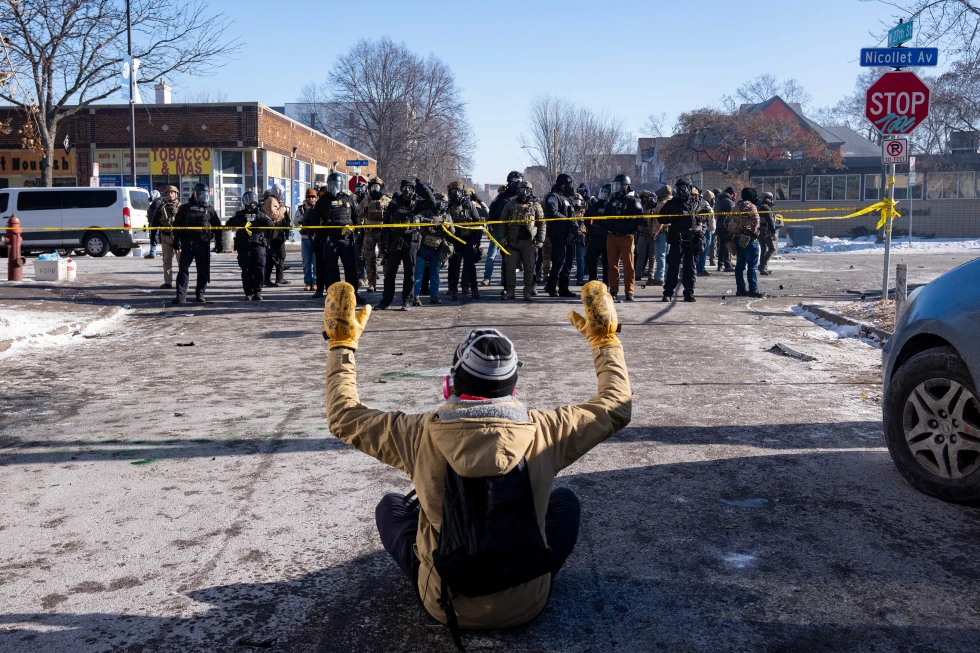
As the nation watches the unrest unfold in Minneapolis, local journalists are demonstrating their resilience and dedication to reporting amidst the chaos.
In recent weeks, the Minnesota Star Tribune has been at the forefront, breaking significant stories including the identification of the immigration enforcement officer involved in the shooting of demonstrator Renee Good and producing impactful visual reports showcasing the events at protests.
Richard Tsong-Taatarii’s gripping photograph of a demonstrator being sprayed with a chemical irritant has become iconic, highlighting the heightened tension surrounding Immigration and Customs Enforcement (ICE) operations. This shift in editorial focus reflects a broader trend where the Star Tribune has adapted its coverage style in response to ongoing demonstrations and public sentiment.
Despite the decline of many regional newspapers, the Star Tribune has held its ground, maintaining its workforce under the stewardship of billionaire Glen Taylor, who has owned the publication since 2014. This continuity allows for an in-depth approach as the newspaper engages with its community.
Traditional Journalism in Action
The Star Tribune's success isn't just a solitary achievement; it thrives within a long-established journalism ecosystem in Minneapolis, marked by strong local news outlets and public broadcasting. As Kathleen Hennessey, the Star Tribune's senior vice president, noted, this robust network enriches community reporting.
Local reporters have been quick to the scene, leveraging their knowledge of the community to gather information quickly. The incident involving ICU nurse Alex Pretti, who was shot in January, showcased the Star Tribune’s unique advantage, as reporter Josie Albertson-Grove, living nearby, was able to provide valuable insight into the neighborhood's dynamics.
Creative measures have been utilized by journalists, with many using their personal connections to gather essential information, particularly about ICE operations impacting local families. The Star Tribune's commitment to neighborhood knowledge facilitates a deeper understanding of the stories they're covering.
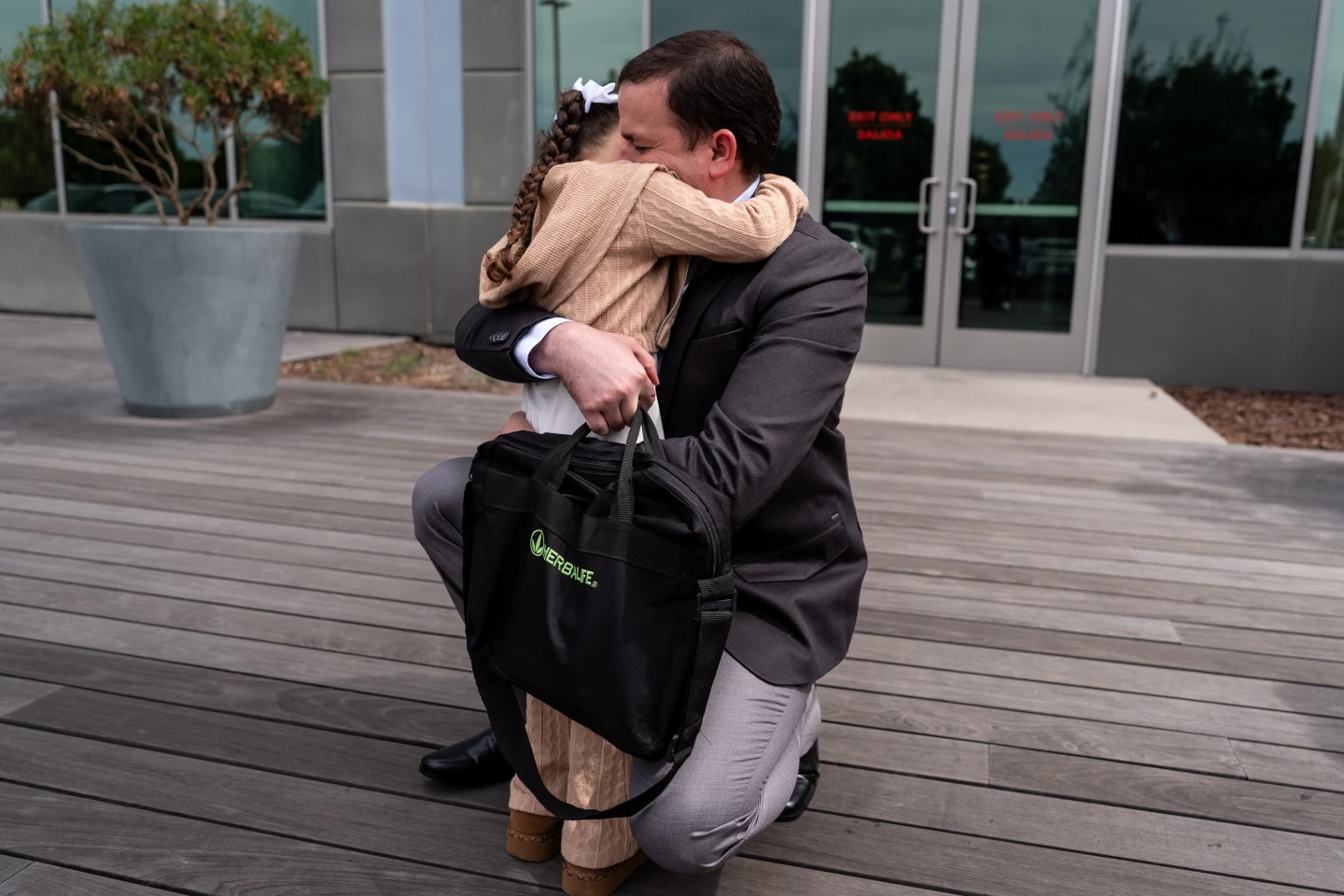
The investigative team has worked hard to uncover truths behind public fears spurred by increased federal enforcement actions, exemplified in stories revealing the backgrounds of immigrants rounded up during these operations.
Moreover, the Star Tribune has pledged to a digital-first strategy, broadening its storytelling capabilities beyond traditional newspaper formats. This transformation includes live blogging of events, increased video content, and a keen focus on interactive journalism as readership patterns shift in response to changing news consumption behaviors.
Despite the challenges, including recent layoffs and operational upheaval, the newspaper remains steadfast in its mission to provide impactful journalism, showcasing the essential role of local reporting in a time of crisis.
As the situation continues to evolve, the resilient spirit of Minneapolis journalists ensures that their community remains informed, engaged, and connected.