MINNEAPOLIS (AP) — Federal immigration officers' claims regarding a Mexican immigrant named Alberto Castañeda Mondragón have raised serious concerns among healthcare workers at a Minneapolis hospital. The 31-year-old sustained significant facial and skull injuries, prompting an internal conflict involving Immigration and Customs Enforcement (ICE) agents.
Nurses at the Hennepin County Medical Center quickly doubted the federal agents' narrative that Castañeda Mondragón had run into a wall while in restraints, saying it did not explain the severity of his injuries—at least eight fractures and brain bleeding. One anonymous nurse said, It was laughable. There was no way this person ran headfirst into a wall.
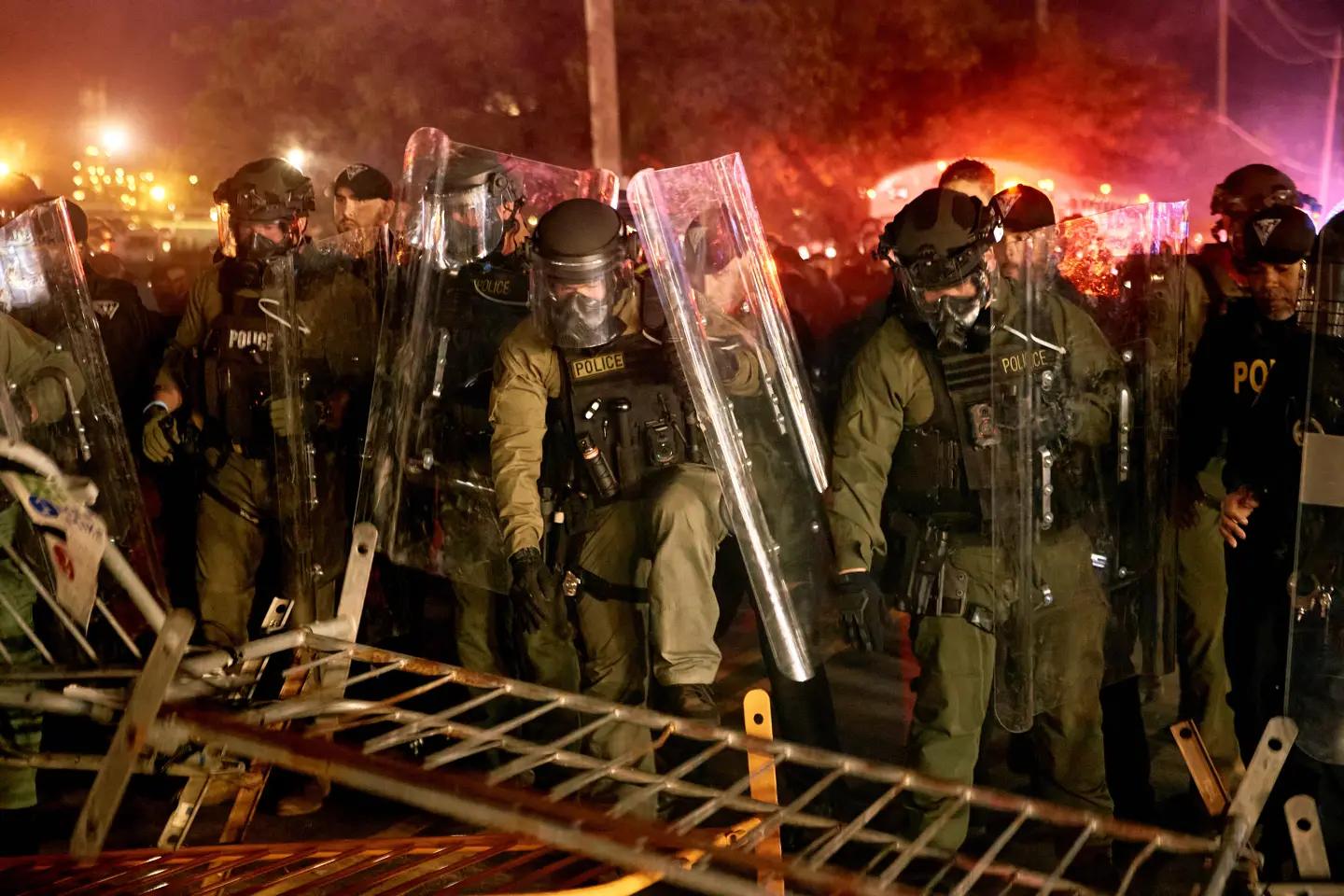
These events occurred against a backdrop of growing friction between ICE and healthcare staff in Minneapolis, especially as ICE officers have been accused of sidelining hospital protocols by restraining patients and haunting hospital grounds looking for immigrants.
As President Trump's immigration policies took effect in Minnesota, including Operation Metro Surge, Hennepin County staff reported feeling intimidated by the presence of ICE agents within the hospital. The anxiety surrounding interactions with immigration officers has led to new protocols emphasizing patient rights and limiting ICE's access to sensitive patient information.
Just hours after his arrest on January 8, Castañeda Mondragón was visibly injured, and medical examinations revealed his life-threatening condition. He reportedly stated he had been dragged and mistreated by federal agents. This raises alarm over the treatment of immigrants during arrest.
Despite the hospital's efforts to maintain patient safety and integrity, ICE has often disregarded their policies, prompting staff to communicate securely to avoid potential monitoring by federal agents. Additionally, on January 27, a U.S. District Court judge ordered that Castañeda Mondragón be released from ICE custody.
Castañeda Mondragón's ordeal highlights the critical intersection of immigration enforcement and healthcare, compelling a broader discussion on how to protect both patient rights and public safety amidst federal interventions.