In brief
Jihadist factions in West Africa, notably affiliates of Al-Qaeda and ISIS, have significantly increased their use of drones for conducting airstrikes, particularly in Nigeria, Mali, and Burkina Faso. A report reveals that these groups have executed dozens of drone attacks this year alone, raising concerns over their expanding capabilities. Analysts emphasize the need for improved counter-drone strategies by local governments to prevent further escalation of violence.
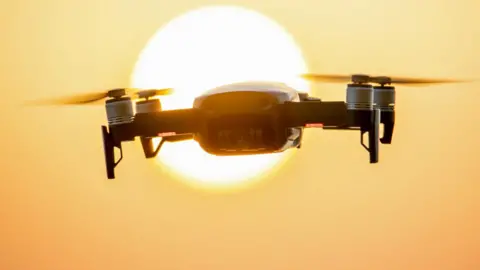
Jihadist groups are increasingly carrying out drone strikes in West Africa, raising alarm that they are building the capacity to wage a war from the skies. A leading violence monitoring organisation, Acled, has recorded at least 69 drone strikes by an al-Qaeda affiliate in Burkina Faso and Mali since 2023, while two Islamic State (IS) affiliates have executed around 20, mainly in Nigeria.The latest attack occurred on January 29, targeting a military base in Nigeria's Borno state, where Islamic State of West Africa Province (Iswap) was identified as responsible, resulting in the deaths of nine soldiers. These groups primarily utilize commercially available quadcopter drones, often modified for reconnaissance and bombing missions, according to Ladd Serwat, Acled's senior Africa analyst.Despite strict regulations on drone imports and usage in Nigeria, jihadists have sourced these drones through smuggling networks, indicating a troubling trend in their operational capabilities. Security analyst Audu Bulama Bukarti outlined the strategic advantages drones provide, including lower attack costs and the ability to gather intelligence with minimal risks.Iswap has reportedly conducted multiple strikes across northeastern Nigeria and neighbouring countries, while the Islamic State of Sahel Province (ISSP) has also demonstrated similar capabilities by launching attacks on military installations.In response to this growing threat, experts recommend that West African forces implement proactive measures to dismantle drone launch sites and enhance counter-drone technologies, warning that failure to adapt could result in increasingly sophisticated assaults by these extremist groups.