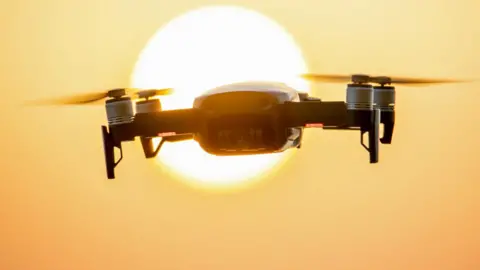
Jihadist groups are increasingly carrying out drone strikes in West Africa, raising alarm that they are building the capacity to wage a war from the skies.
A leading violence monitoring organization, Acled, has recorded at least 69 drone strikes by an al-Qaeda affiliate in Burkina Faso and Mali since 2023, while two Islamic State (IS) affiliates have carried out around 20 - mostly in Nigeria, which has been battling numerous insurgent groups for almost 25 years.
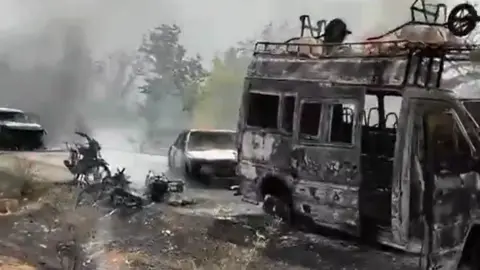
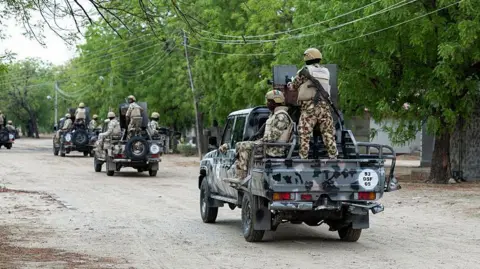
The latest drone attack took place in Nigeria's north-eastern Borno state on 29 January, when jihadists carried out a two-pronged assault - with multiple armed drones and ground fighters - on a military base.
The military said nine of its soldiers were killed in the attack by the Islamic State of West Africa Province (Iswap) - identified by Acled as the most prolific IS African affiliate in drone warfare.
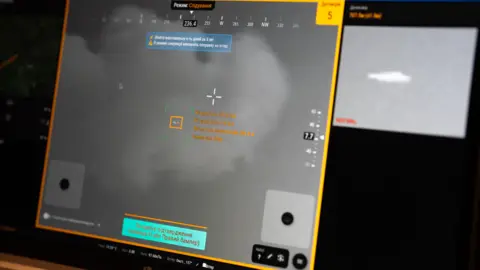
The jihadists tend to carry out strikes with commercially available, relatively inexpensive quadcopter [unmanned] drones that were rigged with explosives, while also using them for reconnaissance and surveillance missions in preparation for ground attacks, Acled senior Africa analyst Ladd Serwat told the BBC.
Despite the fact that Nigeria's government tightly controls the import of commercial and hobby drones and prohibits their use without official permission, the jihadists were able to obtain them through their smuggling networks across the region's porous borders, said a Nigeria-based senior researcher at the Good Governance Africa think-tank, Malik Samuel.
The growing use of armed and surveillance drones by violent extremist groups in the Sahel and Lake Chad region is deeply concerning, and it marks a significant shift, security analyst Audu Bulama Bukarti told the BBC.
Drones lower the cost of conducting attacks, allow militants to gather intelligence with minimal risk and enable strikes on military targets that were previously harder to reach, he added.
In its latest attack, ISSP carried out an assault on the international airport in Niger's capital, Niamey, and nearby military bases, also on 29 January, with the defence ministry saying that four military personnel were injured and 20 of the assailants were killed.
Acled analyst Nsaibia told the BBC that while the majority of JNIM's drone attacks in Mali and Burkina Faso had targeted the military and allied militias, some had also hit civilians, including markets in communities perceived as being aligned with government forces.
To combat the threat, West African armies are urged to carry out preemptive strikes to destroy drone assembly and launch sites and acquire more counter-drone technology, including jamming devices and air defense systems.