The Trump administration has announced a coordinated package of sanctions targeting the International Criminal Court (ICC), aiming to cripple the tribunal’s financial and operational capacity. The measures bar U.S. entities from conducting business with the court, including banking and software services, and are intended to “defend U.S. sovereignty” according to Secretary of State Marco Rubio.
Rubio warned that Americans would be protected if the ICC were to seek prosecutions against U.S. citizens. He added, "Either the ICC will end its threats, or we will end the ICC." The sanctions were delayed to give the court and its member states a chance to address U.S. concerns, offering a window for diplomatic negotiations.
In response, the ICC labelled the measures a direct attack on the rule of law and the international legal order. The court declared it would not be deterred, stating the sanctions sought to disrupt its work and intimidate its partners.
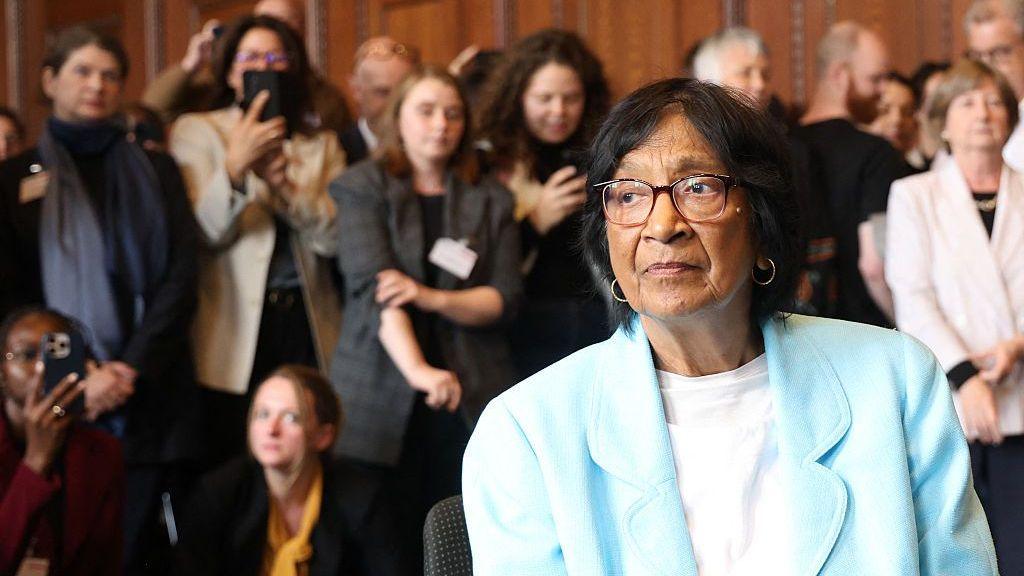
The crackdown follows the awarding of the 2026 Nobel Peace Prize to former ICC judge Navi Pillay, recognizing her efforts to advance peace and international law. Pillay had previously been cited in a panel that accused both Israel and Hamas of war crimes during the 7 October conflict, a stance that drew sharp criticism from the U.S. administration.
The U.S. has long contested the ICC’s investigations into its own military operations, most notably in Afghanistan, and has repeatedly challenged the court’s jurisdiction over Israeli officials, including calls to curtail arrest warrants against leaders such as Prime Minister Benjamin Netanyahu. Rubio urged ally nations that are ICC signatories to “rein in” the institution, reflecting a broader push to counter what it views as overreach by international justice bodies.