Fida al‑Toutah’s killing exposes relentless Gaza strikes
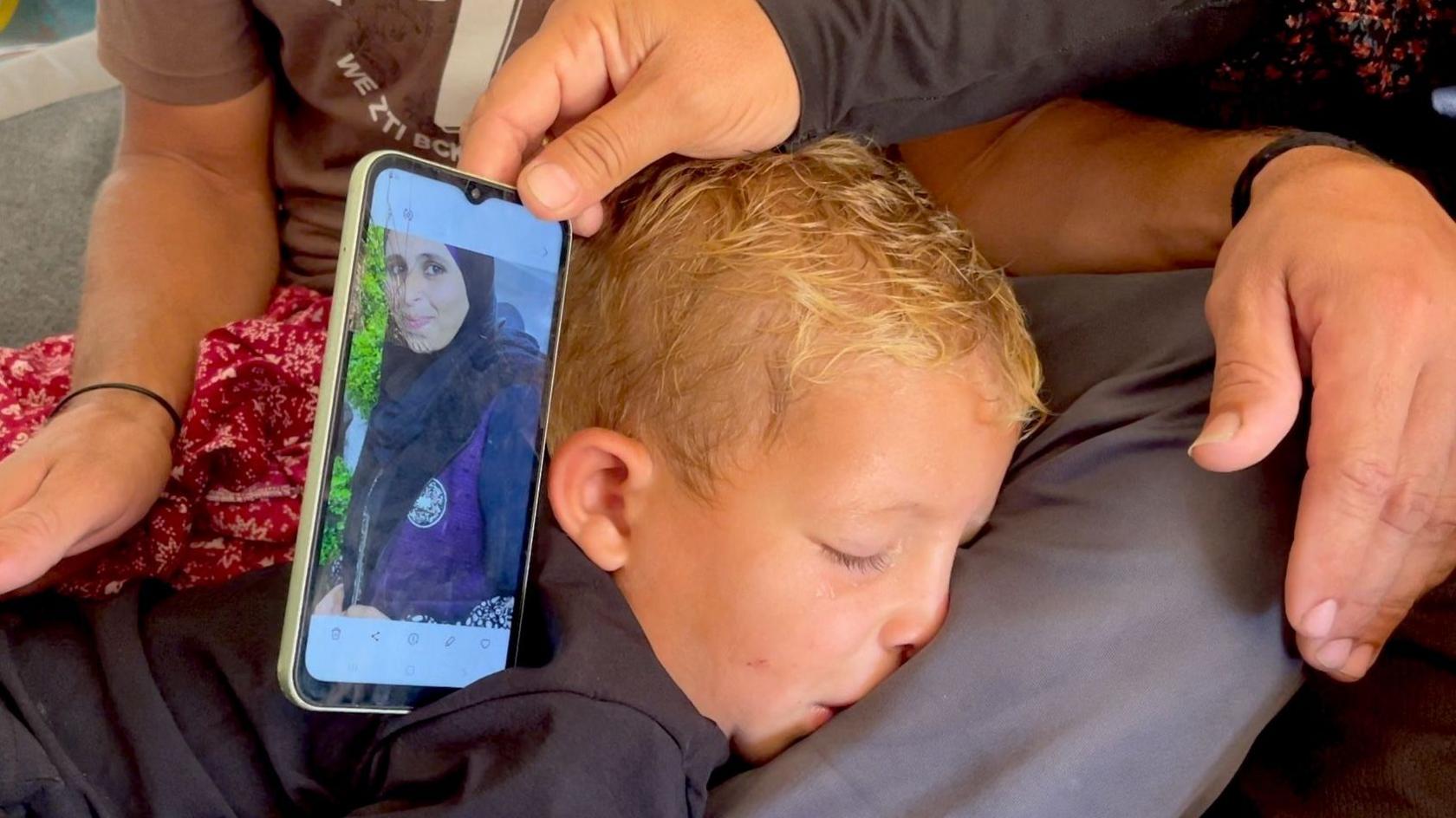
In a quiet Gaza tent early one morning: Fida al‑Toutah, 31, was combing her daughter’s hair when a sudden burst of gunfire erupted. Her son Ezz cried, recalling his mother’s frantic shout for everyone to get down. He only understood Fida had been hit when he saw his younger brother’s bloodied hands.
Fida died on 21 September, a gunshot wound to the head. She is one of more than 1,400 Gaza residents killed in Israeli attacks since the 10 October ceasefire, according to the Hamas‑run health ministry, figures trusted by the UN.
On the ground, the ceasefire has stopped large‑scale bombardment, allowing humanitarian aid to flow. Yet Israeli forces have fired almost daily since the truce, killing over 30 people in the last week alone. Israel insists it targets Hamas operatives, accusing Hamas of violating the ceasefire.
Ahed, Fida’s husband, said: “It [the ceasefire] is all lies. Every day there's a shooting. Every day there is killing and death lurking around.”
In the same week, 14‑year‑old Ismail al‑Bardawil was shot dead in Rafah’s al‑Mawasi area while fishing only 20m from the shore. His family says he was struck by Israeli forces; the IDF denies any record of the incident.
Both Fida and Ismail lived near the “Yellow Line” that separates Israeli‑occupied zones from Hamas‑controlled areas, a hotspot for frequent Israeli fire, with limited escape routes due to displacement chaos.
Amidst this, families have moved seven times and still cannot find safety. “We left Zeitoun for survival, but death follows us,” Ibrahim told reporters, pointing to bullet‑scored holes in his tent’s cloth.
Amal Alabadla, once living in a comfortable Galilean flat, now raises her two boys in a coastal tent. “When the rains pour, the tent floods. Winds destroy it. I fear for them,” she said, reflecting the constant struggle of surviving with no rebuilding prospects.
She reports that the October 2025 peace deal promised reconstruction, but progress remains stalled due to an impasse over the second phase. Israel limits materials, citing security. The US proposed a $2.45 bn recovery plan, yet many, like Amal, remain skeptical of change.
Families mourn each loss without clear answers, as the war’s toll—more than 74,000 Gaza casualties—continues to rise.

Fida was one of the more than 1,400 people killed since the ceasefire began.

Ibrahim has lost four siblings, including Fida, since the war began.

Amal struggles to raise her children alone inside a tent on Gaza’s coast.