Every Day There Is Killing: Gaza’s Silence Breaks as Ceasefire Fails
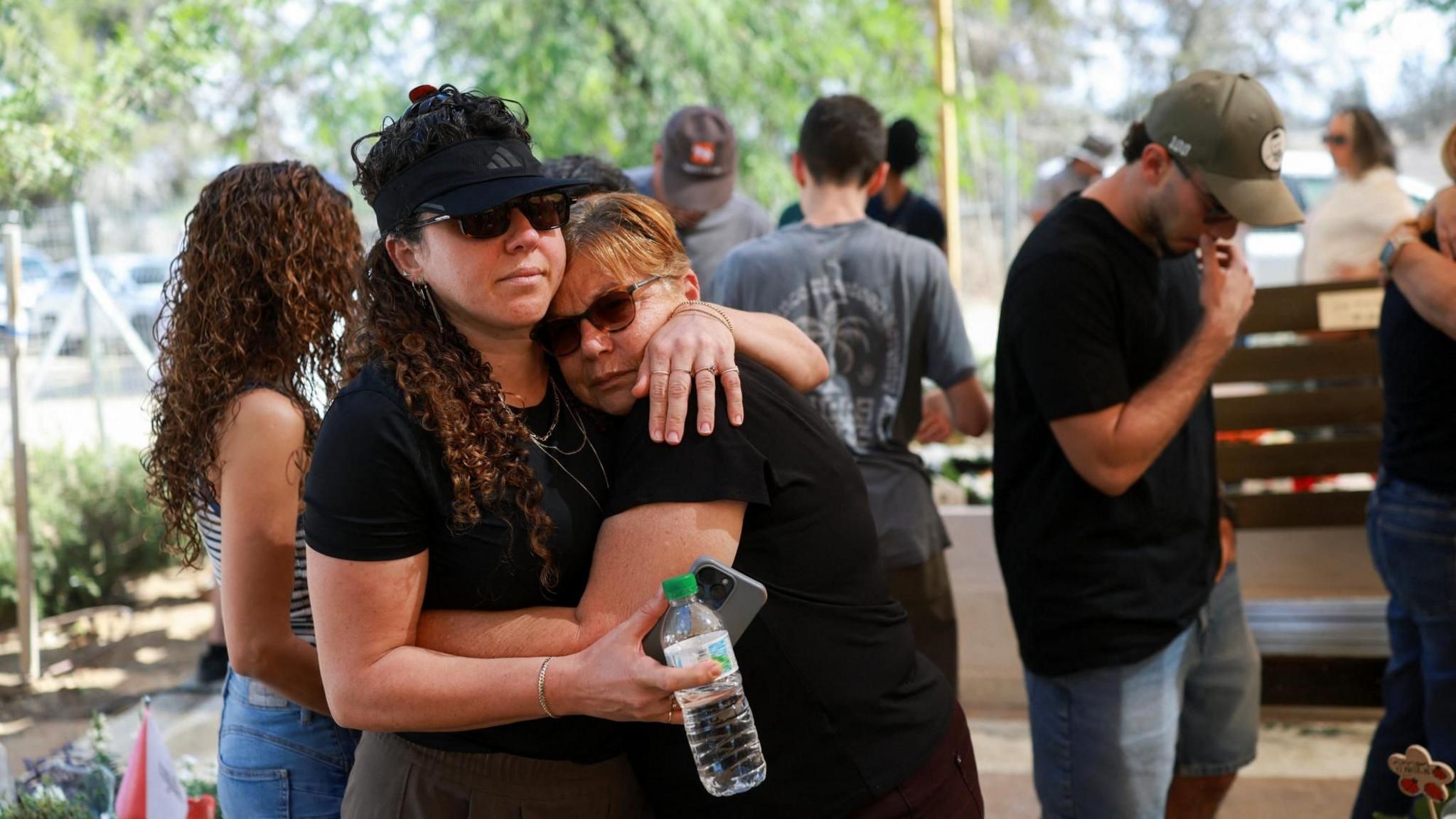
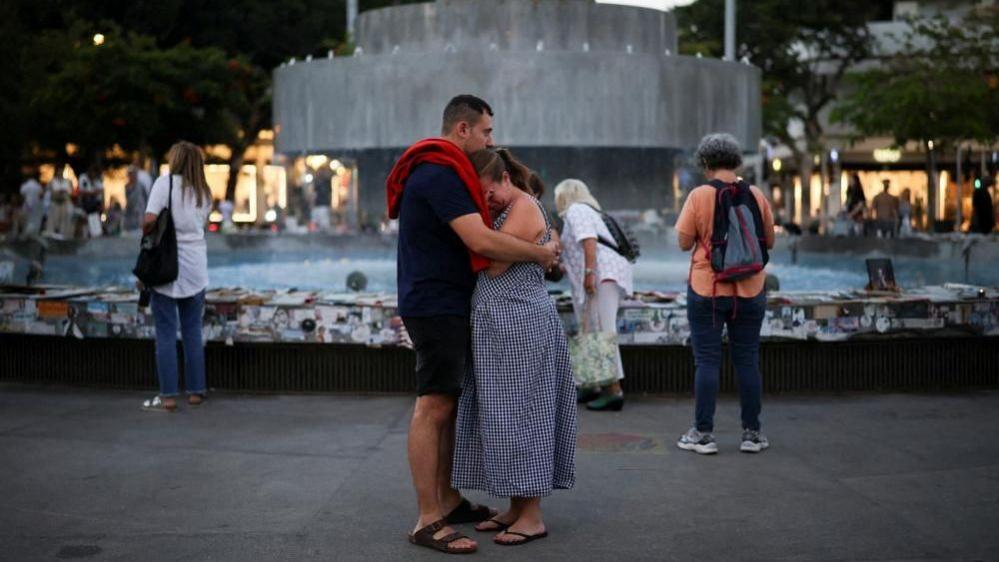
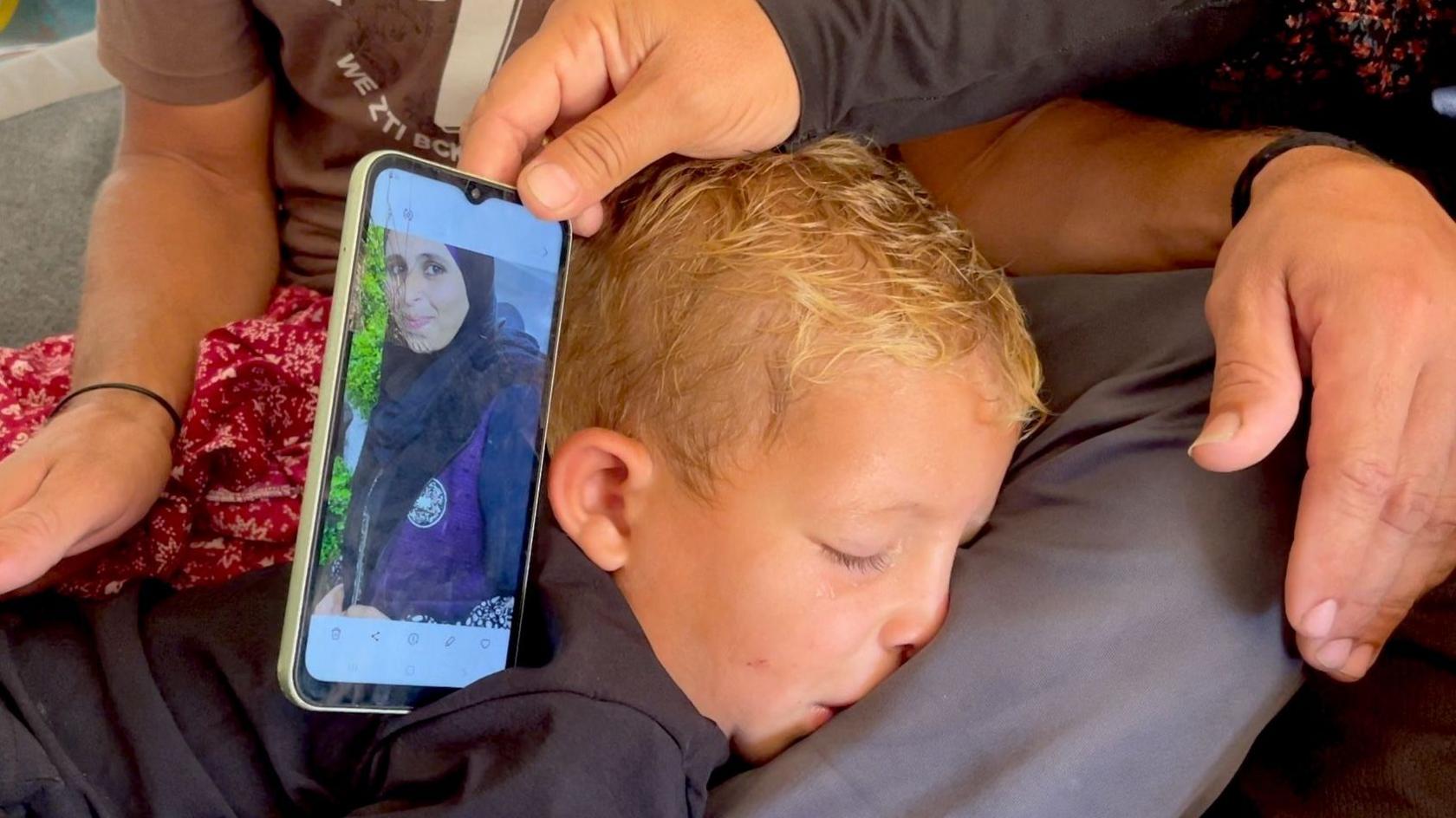
In the cramped emptiness of a tent in central Gaza, 31‑year‑old Fida al‑Toutah was brushing her daughter’s hair when the sudden roar of gunfire shattered morning calm. Her son, Ezz, cried that his mother “shouted at us to get down” and only realized she had been hit when he saw blood on her sister’s hands. Fida died of a head wound on 21 September.
Fida’s death is one of more than 1,400 casualties recorded by Gaza’s health ministry since the 10 October ceasefire, which Israel said ended the bloodshed after releasing 48 hostages at the cost of thousands of Palestinians. Yet, violent airstrikes and artillery fire have continued almost daily, with the last week alone claiming over 30 lives.
The truce temporarily halted large‑scale bombardment, allowing more aid and medical supplies to reach the 2.1‑million‑strong population, many of whom live in tutched shelters or “tented cities.” The yellow line—demarcating Israeli‑controlled zones from areas governed by Hamas—remains the most dangerous area, where civilians risk sudden, unexplained strikes from ground forces, drones and artillery.

No Breakage of the Truce on the Ground
According to UN‑trusted Gaza ministry figures, Israeli forces have continued to target areas they claim to be Hamas strongholds, while disregarding the safety of civilians. An IDF spokesperson said it had no record of Fida’s shooting, but local families say cases keep mounting.
Over the past year, the IDF released videos of operations aimed at Hamas militants, but killings—including that of civilian Ismail al‑Bardawil, a 14‑year‑old shot by Israeli fire outside a fishing berth—have not stopped.
Stalled Reconstruction
Lands in Gaza are progressively squeezed onto less than 40 % of the strip that remains under Hamas control. Of the 95 buildings still standing after the war, many await reconstruction, which has been halted by an impasse over the second phase of the October 2025 peace deal.
Israel limits the types of construction materials allowed in, citing security concerns. In turn, Hamas demands Israel “pull out completely” before they will disarm heavy weapons. A former U.S. president’s recovery plan worth $2.45 bn has been announced, but no tangible rebuilding is underway.
Amal Alabadla, a former apartment dweller now camped on the coast, describes living in a tent that “gets flooded with the rains” and “shuts up when the wind is strong.” She fears for her children who suffer from epilepsy in the cold, and says day‑to‑day survival is all her can focus on. “I don’t believe they are telling us the truth about allowing us to rebuild a safe future for our children,” she says.