Spain’s Cultural Ties to China Spark EU Tension
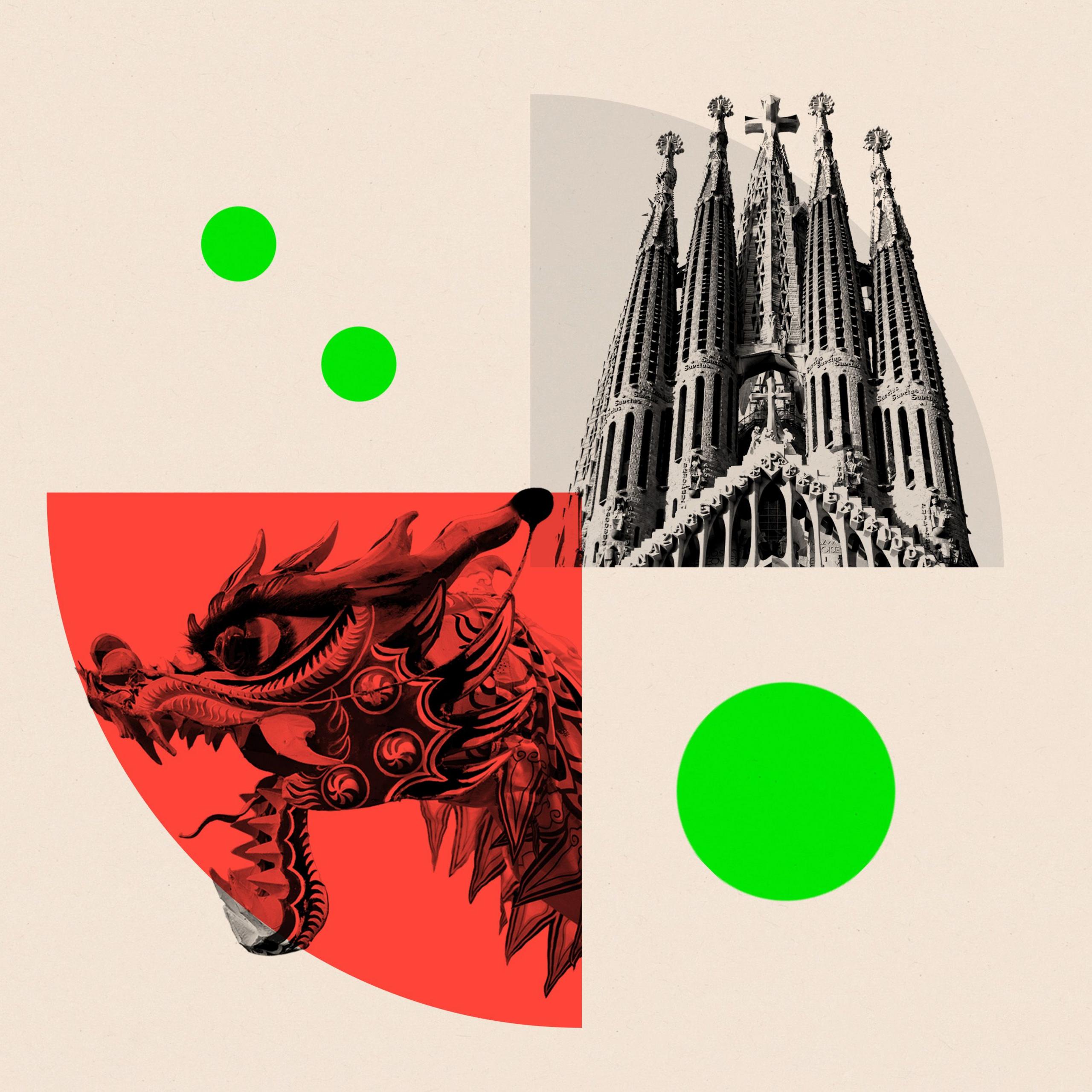
On the streets of Barcelona the Chinese dragon, decked in fiery red and gold, roamed the city’s boulevards as part of the historic La Merce festival, an event that marked the first ever invitation of an Asian city – Shanghai – to the city’s tradition‑laden celebration. The procession featured Chinese acrobats tossing lanterns while keeping the candle inside them lit, a spectacle that stoked delight among the crowds and showcased a blend of Catalan and Chinese culture.
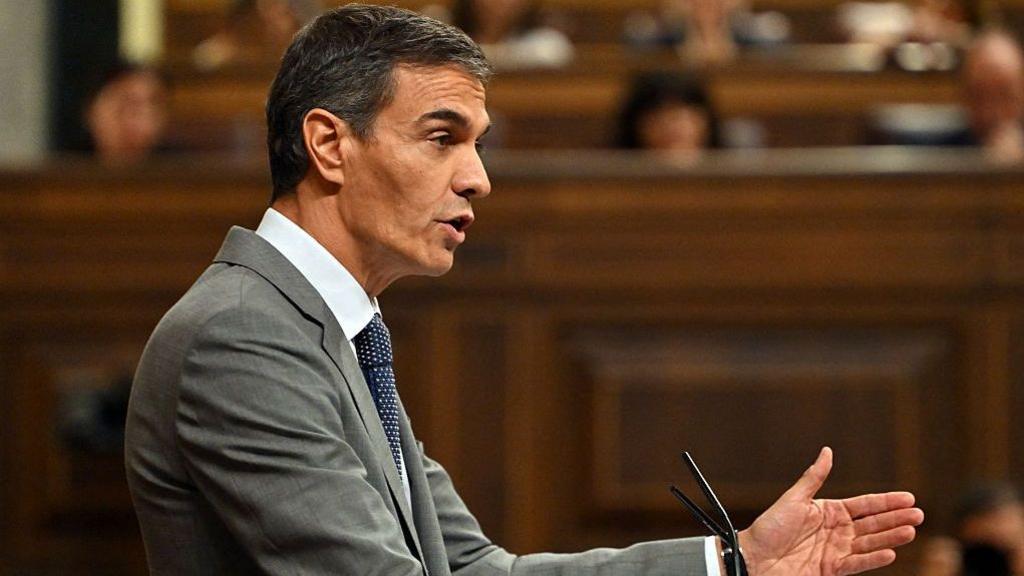
Paris‑style pomp quickly turned to political debate when Spain’s Prime Minister, Pedro Sanchez, met with Vice‑Mayor Lu Shan of Shanghai at the festival’s opening. He framed the partnership as a shared spirit despite differences in form, citing economic benefit and a desire for stronger ties outside traditional Western partners.
Sanchez’s engagement with the Chinese leadership is part of a broader trend that has delivered record Chinese investment in Spain, with the ICEX trade agency reporting a surge in battery gigafactory projects and car manufacturing: Chery, CATL and Hithium are all setting up plants in the Iberian Peninsula. That trajectory has blurred the line between promotion of Spain’s economic growth and a deeper dependence on a strategic rival of the EU.
European rivals – notably France, Germany and Italy – have sounded alarm bells over the policy shift. Brussels now faces a tug‑of‑war as some members lean toward a tougher stance, backed by a €1bn a day trade deficit indictment and concerns about Chinese technology in defence. A Huawei contract that granted a Chinese company to store sensitive judicial data has been criticised in Parliament, with MEPs warning of a potential vector for data leaks and a challenge to intra‑EU security.
While Spain argues its outreach is a rational diversification of partners in an era of weak US backing and a resurgent Russia, critics fear an erosion of collective EU cohesion. Specialists highlight that similar realignments are underway elsewhere, with Finland deepening ties to Israel after Nato became uncertain, and Greece signing a defence pact with Israel to counter Turkey, all underscoring a shift to smaller, function‑specific alliances outside of the traditional EU framework.
The bittersweet allure of China’s economic promise has now become a litmus test for EU unity, putting Spain’s policy choices at the centre of a debate that could reshape European security and trade frontiers for years to come.