G7 releases 100 million barrels as Trump threatens diesel ban
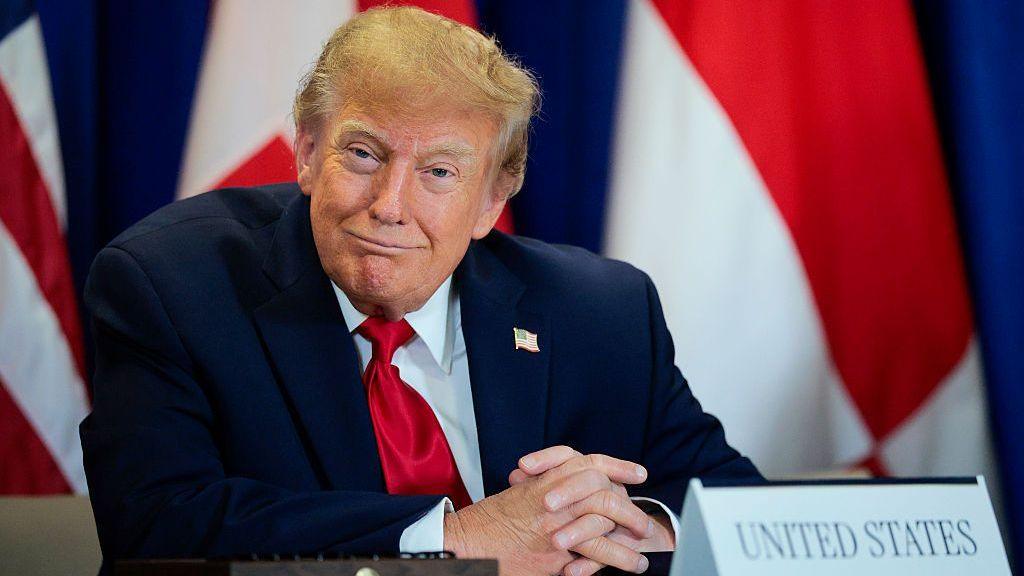
The Group of Seven announced a coordinated release of up to 100 million barrels of crude oil and diesel, a response to President Donald Trump’s warning that the United States would stop exporting diesel if Europe did not release its stockpiles as well. The decision, made during a virtual summit led by French President Emmanuel Macron, is designed to ease the supply shortfall that has pushed fuel prices to record highs.
Trump’s threat came amid political pressure to protect domestic fuel consumers ahead of November’s mid‑term elections. The phrase ‘export ban’ sparked concerns that U.S. producers would pull back from the market, tightening supplies and spiralling prices overseas. The G7 collective response signals a united front to keep the market flowing.
Under the agreement, the International Energy Agency will orchestrate a front‑loaded release of diesel over the first 20 days, with the remainder spread across the following months. The move will involve several member economies, though the specific countries that will dump inventory remain undisclosed. The release is projected to bring diesel prices down and stabilize the sector that relies heavily on refueling for logistics and agriculture.
The coordinated action follows a sharp rise in Brent crude, which briefly dipped below $100 a barrel before rebounding to $102 by late Friday. Analysts say the release is expected to offset market pressure caused by renewed strikes between Saudi Arabia and the Houthis in Yemen, which had earlier nudged prices upward.
European leaders stand to gain immediately, as the bloc has been at the receiving end of the U.S. threat. In the United Kingdom, domestic diesel consumption has surged to ≥ 3.6 million barrels a day, with roughly 31 % of imports sourced from America. The United States, a top world exporter, operates about four to five million barrels of refinery output daily, sending 1.2‑1.5 million barrels per day to the global market.
Maintaining refinery operations is a key component of the agreement. The G7 will also coordinate maintenance schedules to avoid simultaneous shutdowns that could choke supply streams. Encouraging capable refining nations to increase diesel output, especially in countries with surplus capacity, further bolsters the strategy.
Russia’s export ban on diesel, triggered by attacks on refineries in Ukraine, continues to restrain supply. However, the G7 states that sanctions will remain in place against Russian operations while the war in Ukraine persists. The G7’s combined effort aims to keep the market open despite geopolitical turbulence.
The announcement has already seen market reactions in secondary arenas. Prices at UK petrol stations topped the pound‑two a litre threshold, a record high for the nation. European markets anticipate the release to gradually lower the premium placed on diesel fuel, thereby reducing costs for hauliers, shippers and farmers.
Ultimately, the G7’s release cap is expected to stem the volatility that has plagued the fuel market this year. By keeping the flows steady, the leaders hope to protect consumers and businesses from year‑over‑year price shocks. The coordinated release will unfold over the coming months, with initial shipments set to begin immediately.