
In brief
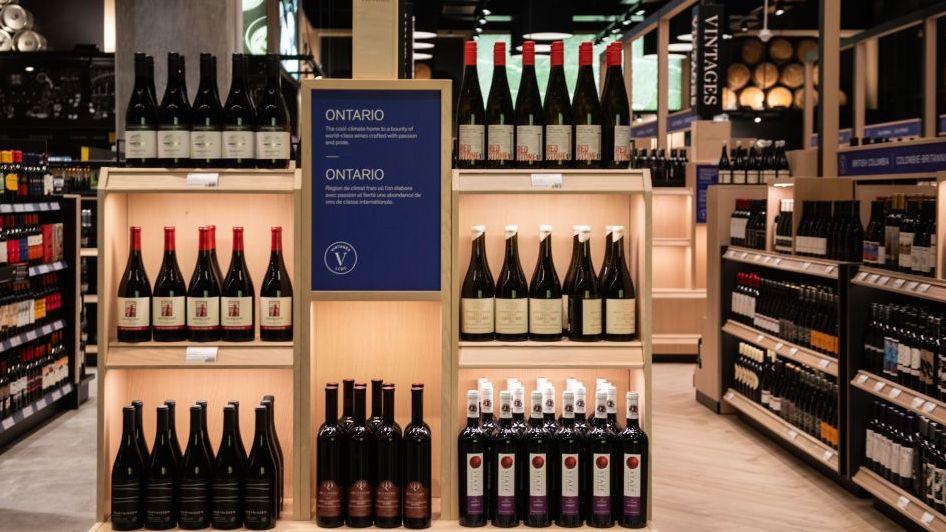
The U.S. has enforced an import ban on Canadian alcohol, dairy and motorcycles, targeting about 90% of Canadian liquor exports. Announced in early September, the measure follows Canada’s tariffs on U.S. goods and reflects a prolonged trade standoff. Prime Minister Mark Carney described the impact on Canada as modest, but industry groups warn the bans could hit producers hard. While the U.S. has slapped tariffs on a range of Canadian products, Canada has retaliated with duties on over 700 American goods.
US Imposes Ban on Canadian Alcohol and Dairy as Trade War Rages
The Trump administration’s latest tariff move blocks nearly $1 billion worth of Canadian liquor and dairy exports from entering the United States, marking a hardening of trade tensions between the two neighbours.
The ban, announced on the 8th of September via a series of executive orders, covers most Canadian alcohol—about 90% of the province’s 2025 exports—and whey‑based products used in protein powders. Motorcycles and other goods are also affected, though the total value of motorcycle exports is only around $120 million.
Prime Minister Mark Carney said the sanctions would have a modest economic impact on Canada, but industry groups such as Spirits Canada warn that the consequences for producers could be significant. “The bans could increase costs and supply chain uncertainty for our wine, spirits and dairy sectors,” the group said in a statement.
Canada’s counter‑measures include tariffs of 15% to 50% on more than 700 American goods and a 25% levy on certain steel and aluminium products. U.S. trade representative Jamieson Greer has indicated that, while trade talks remain stalled, the U.S. is “comfortable” with the current relationship and no immediate urgency exists on the American side.
Economists argue that these tariffs raise consumer prices and disrupt global supply chains, yet the Trump administration maintains that such measures are intended to protect domestic industry and boost national revenue.
As the trade war continues and new rounds of tariffs are announced, businesses on both sides of the border brace for further uncertainty and potential disruptions in the supply of high‑value goods.

