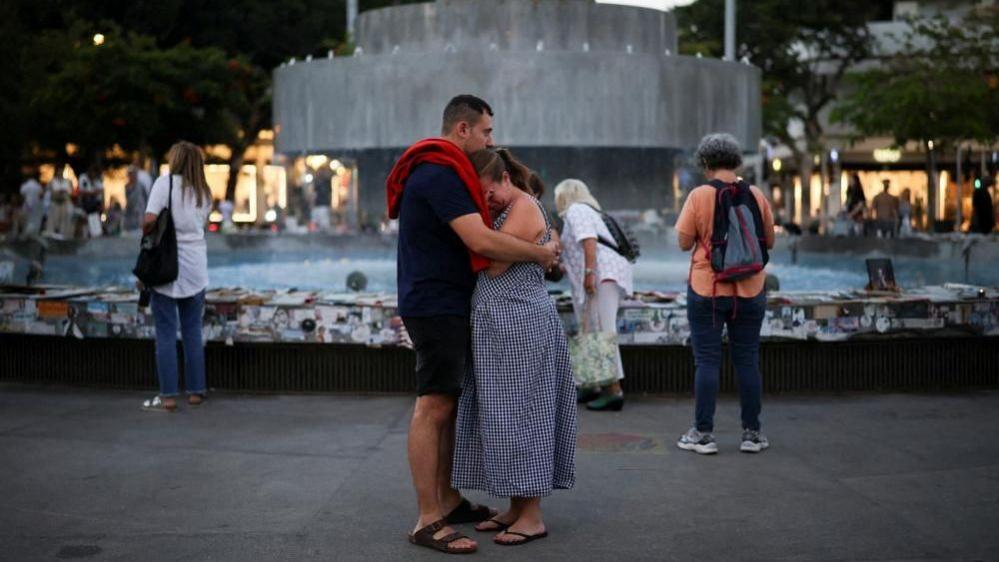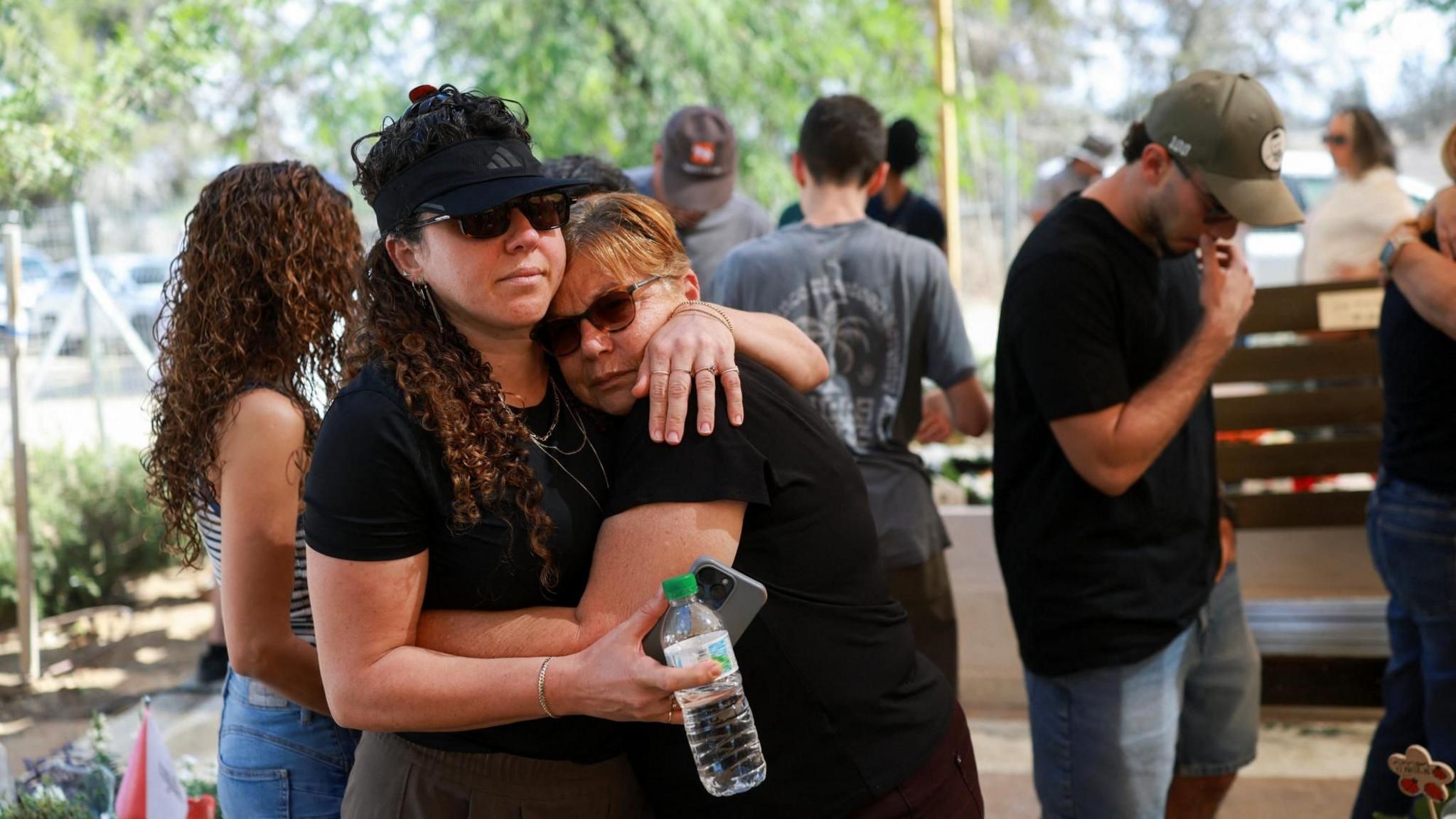
On the third anniversary of the 7 October attacks, residents of the kibbutz Kfar Aza gathered in a dim assembly hall to hold a memorial for the 64 people killed, including 14 members of a civil defence squad that was slaughtered inside the kibbutz armoury. A woman steps forward to comfort a mourner, her shoulders trembling, as the room falls silent – a stark scene captured in the image above.
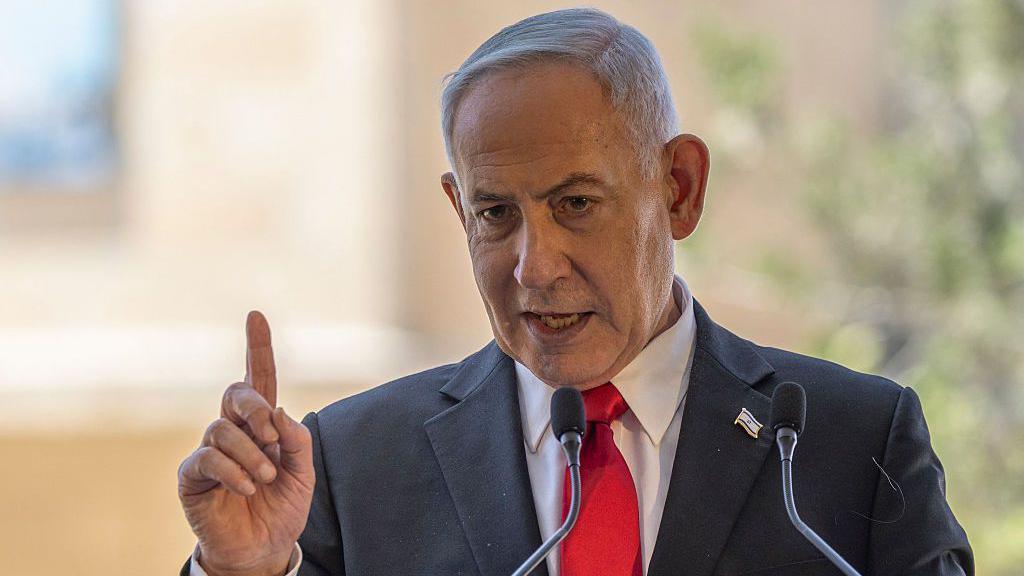
Three years later, questions loom about who really should carry the blame for Israel’s “worst security failure since 1948.” Inbar Goldstein, whose brother and niece were among the dead, says, I need my country to take responsibility. Yet Prime Minister Benjamin Netanyahu – who is campaigning again under a promise of heightened defence – denies any liability, asserting that advisers and regional partners ignored warnings that were never acted upon.
The debate goes beyond the Gaza border. Reports that the United Arab Emirates president had called Netanyahu ten days before the attack to warn of a planned operation has been dismissed by the prime minister’s office as a “lie.” He alleges that intelligence chiefs deliberately chose not to wake him, fearing that a pre‑emptive mobilisation would have escalated the night’s violence. Critics, however, point out that this narrative masks systemic intelligence shortcomings and provides a convenient shield against accountability.
Opposition figures such as Yizhar Shai and Gadi Eisenkot have joined calls for a Supreme Court‑linked inquiry, arguing that the absence of a formal investigation threatens to repeat the failure. They cite a petition filed in the high court that seeks to force the government into establishing a state commission, a move Netanyahu has rejected on grounds of future bias. Meanwhile, pro‑Netanyahu rallies describe the leader as having “re‑engineered the Middle East” and “made Israel safer,” and his supporters see his continued grip on power as essential for national security.
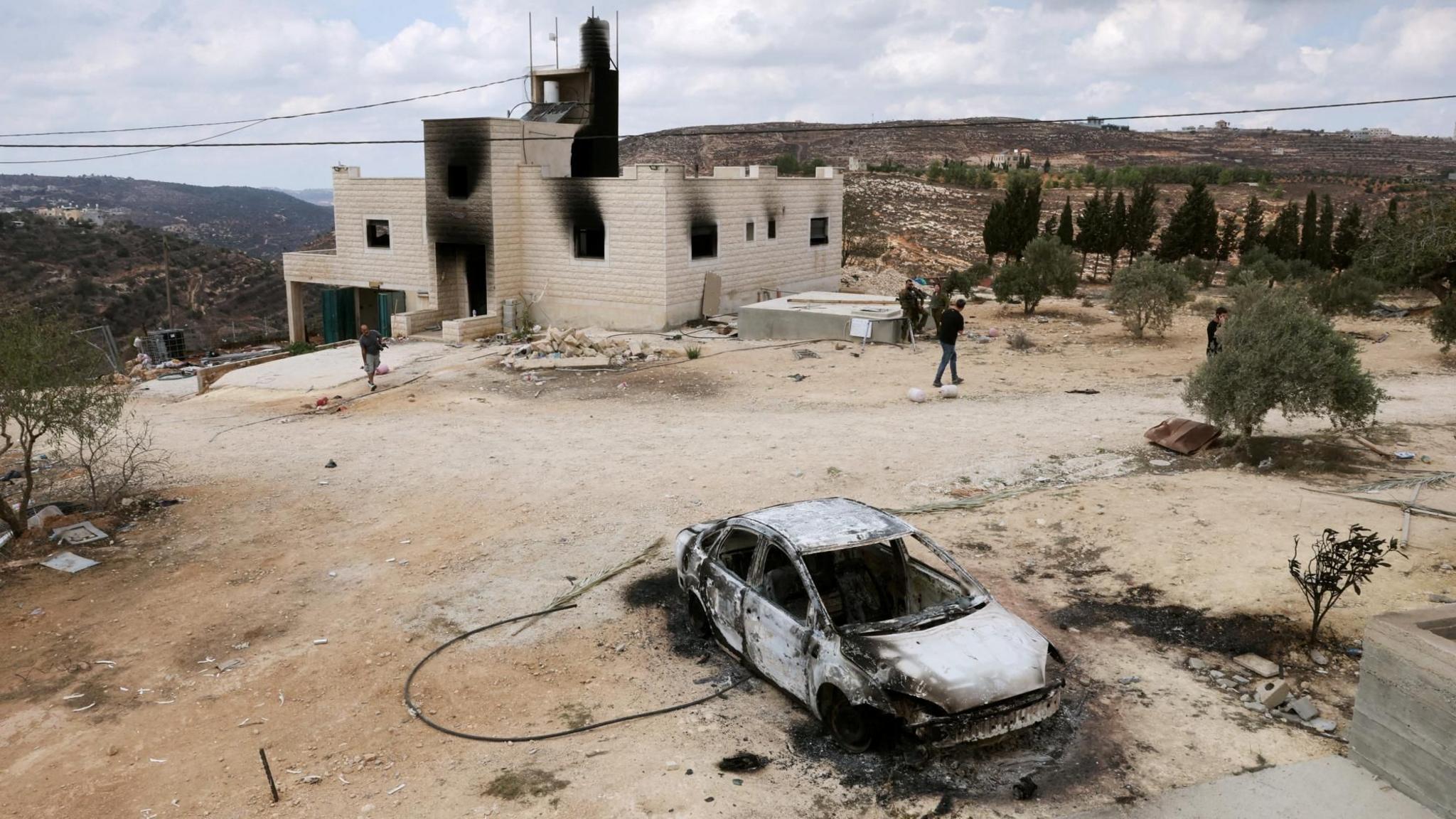
With the election approaching, the shadow of the attacks presses harder. Citizens struggle over the question: should a leader who allegedly failed to protect them be allowed to steer the nation again? The story remains unfinished, its promises of justice unresolved, while the community lingers in memory, candles flickering beside the ruined kibbutz – a quiet testament to lives lost and questions yet unanswered.

Candles are lit at Kfar Aza memorial for 7 October victims.