Three‑year memorial touches Israel and its allies
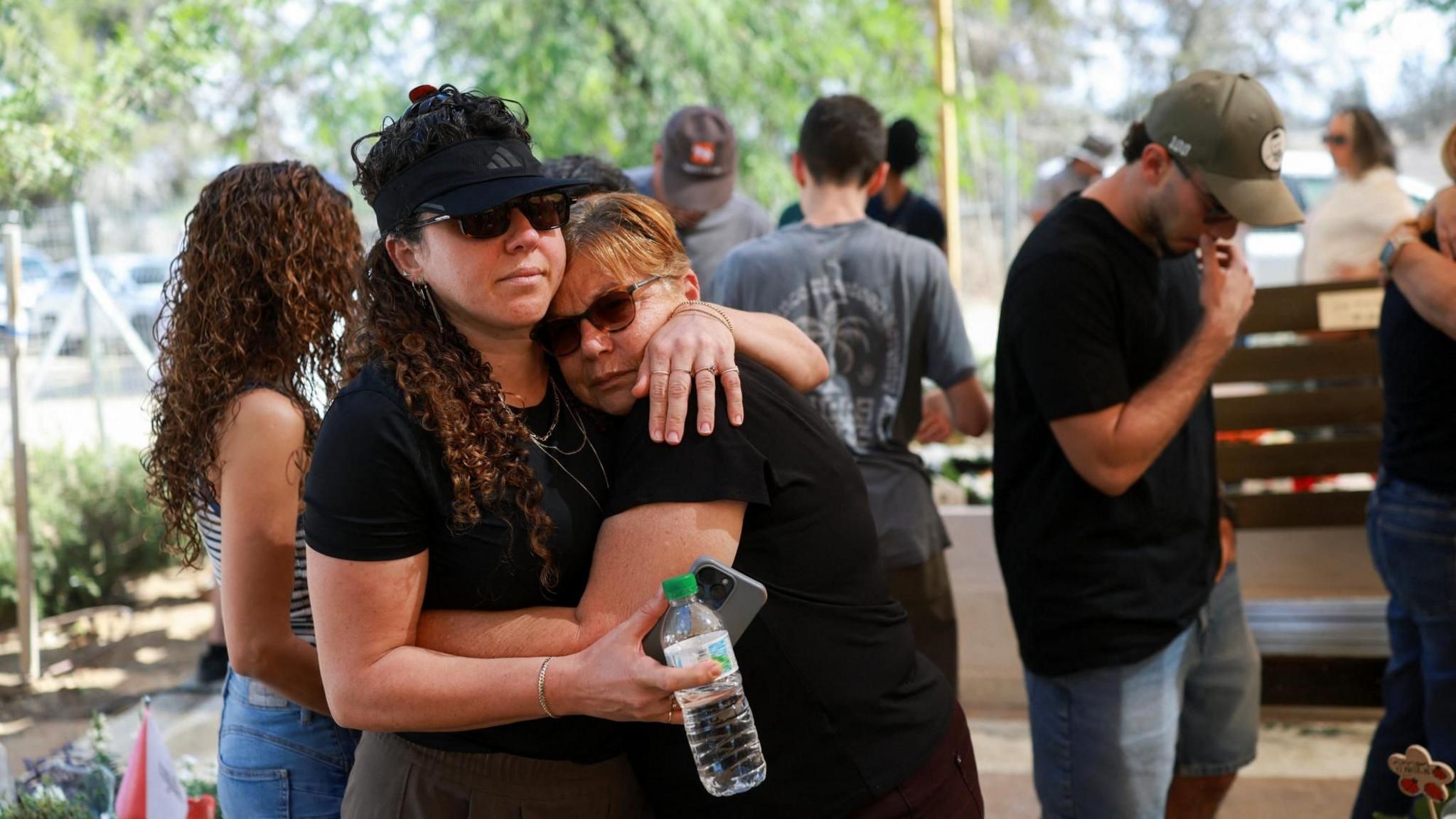
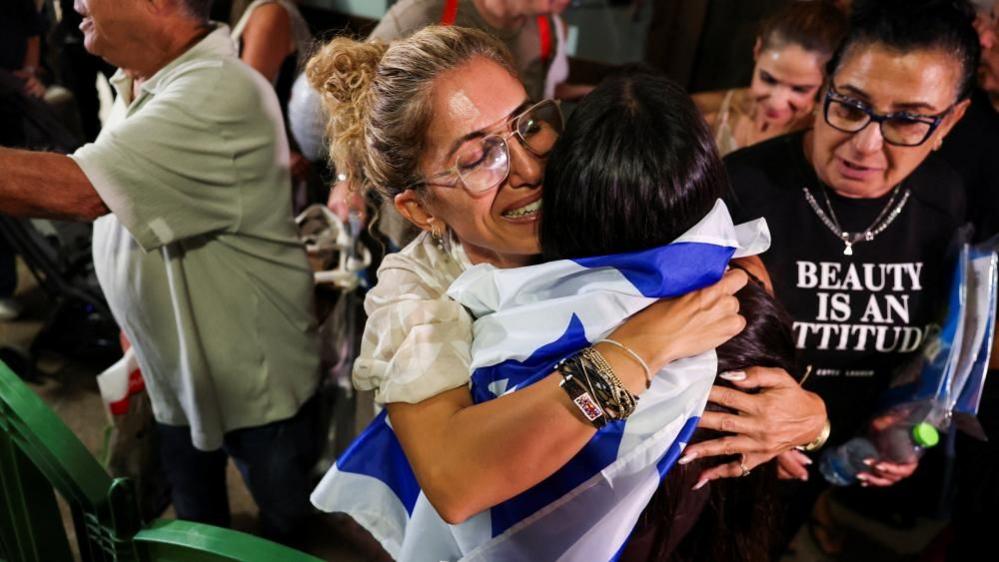
On the third anniversary of the October 7 raid, Israelis gathered in cities and kibbutzim to honour those lost and to demand answers to the questions still unanswered after the catastrophic event that started a war in Gaza.
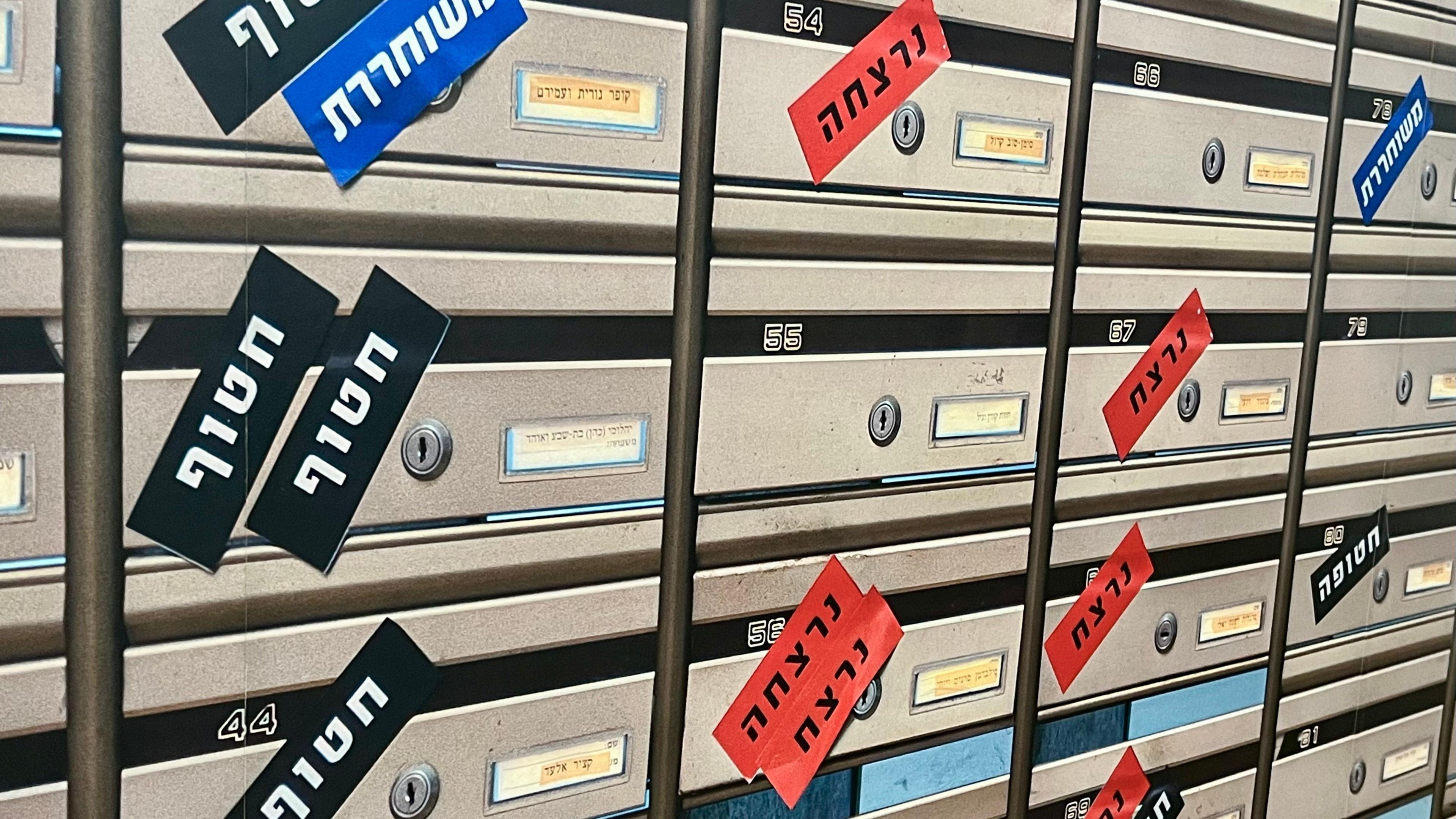
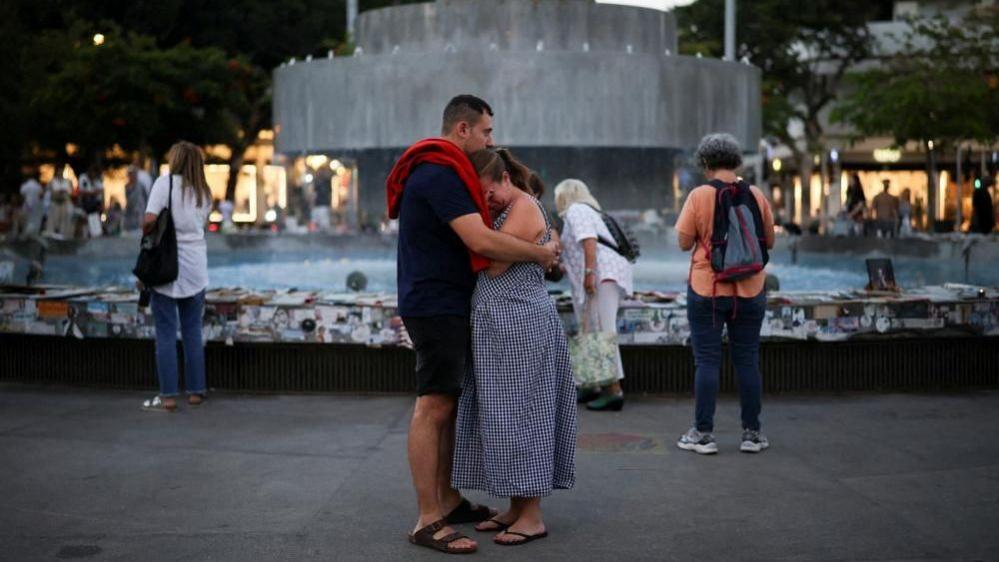
Images of 1,200 victims and 251 hostages dominate the day’s narrative. Families moved by loss set up memorials at each site of impact, from the frantic streets of Tel Aviv to the quiet corners of rural kibbutzim near the Gaza border.
Dizengoff Square in Tel Aviv became a focal point: the fountain was dyed crimson, a gesture echoing earlier memorials. A candle was lit in Yarkon Park, with over a hundred mourners holding vigil beneath the night sky.
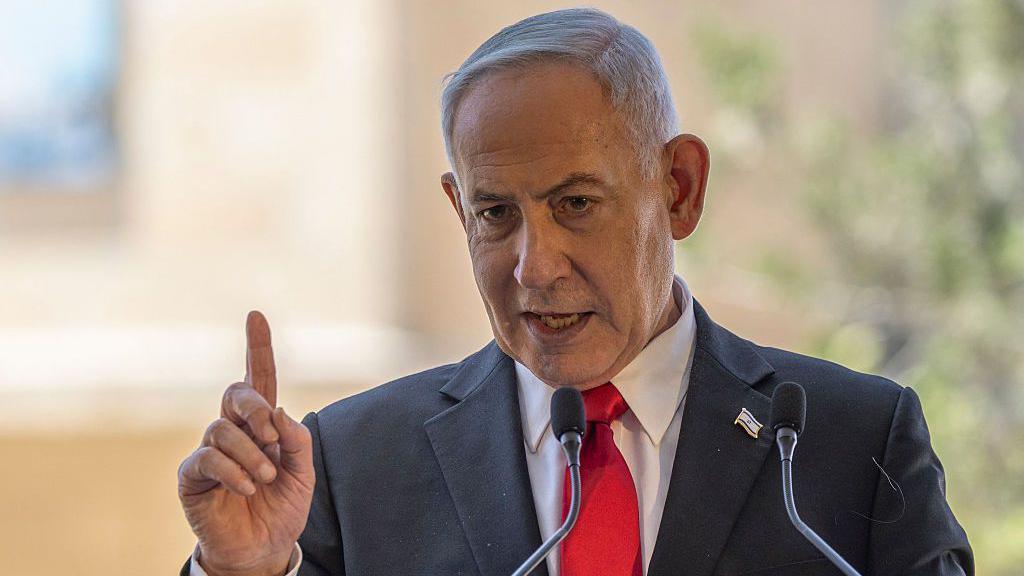
Prime Minister Benjamin Netanyahu spoke of national unity and addressed the nation’s grief, but protesters pressed for an independent inquiry into the security failures that allowed the attack to happen. The call for accountability merged with calls for broader peace talks aimed at ending the contemporary violence.
Globally, Germany’s Chancellor Friedrich Merz, the U.K.’s Prime Minister Andy Burnham and the EU Commission President Ursula von der Leyen voiced solidarity, urging restraint and a path toward lasting peace while condemning the atrocities on all sides.
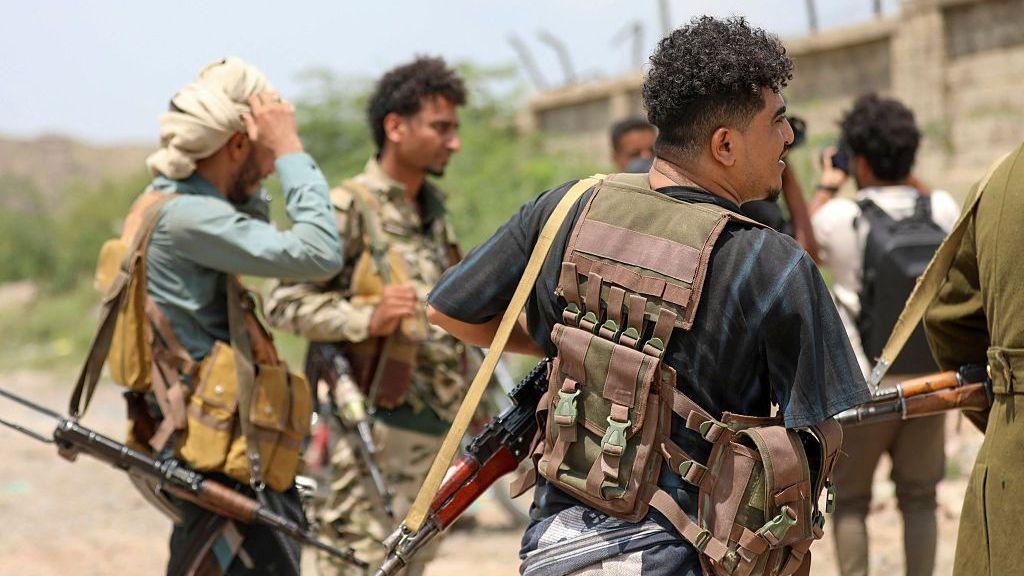
In Gaza, the humanitarian toll escalates. Over 74,000 Palestinians have died in the conflict, and community leaders in war‑torn towns speak of living amidst rubble and without steady security. The ongoing violence, which persists even after a fragile ceasefire, has forced families to seek new homes within the region, with some fearing forced displacement beyond Gaza’s borders. The memorial day has highlighted that suffering continues on both sides of the conflict, calling for comprehensive solutions that address both security and humanitarian needs.