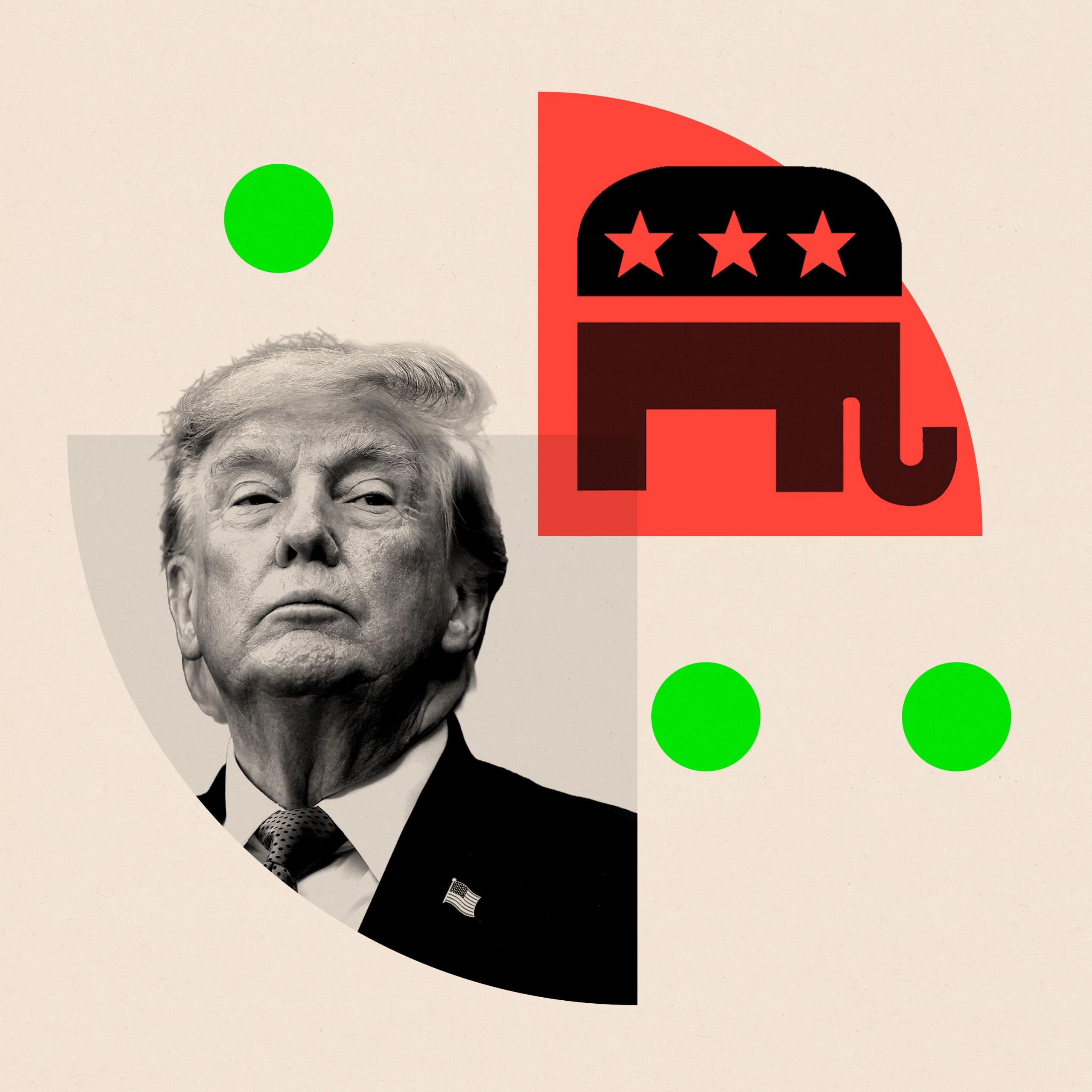
Republican Candidates Tread a Trump Tightrope Ahead of Midterms
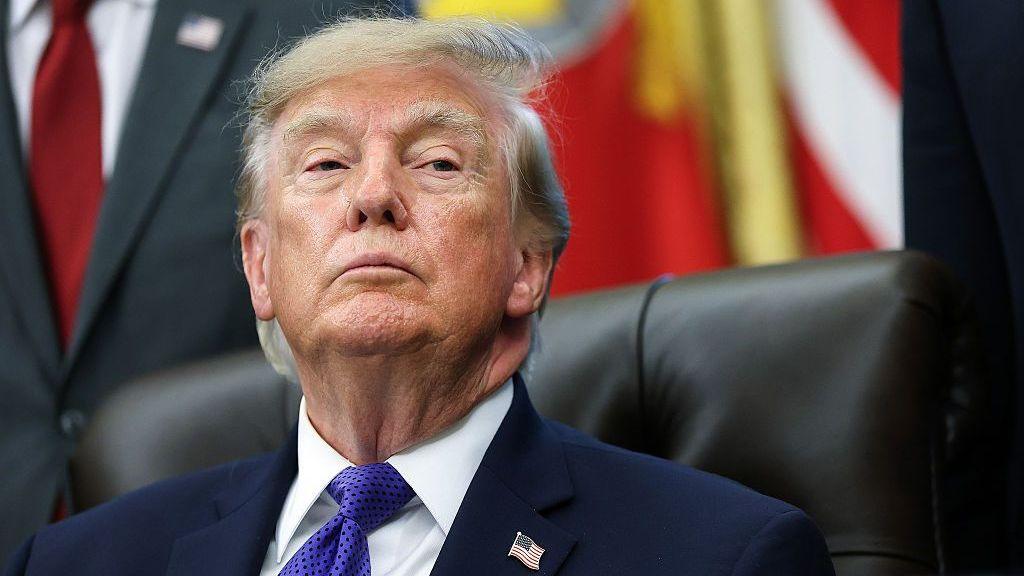
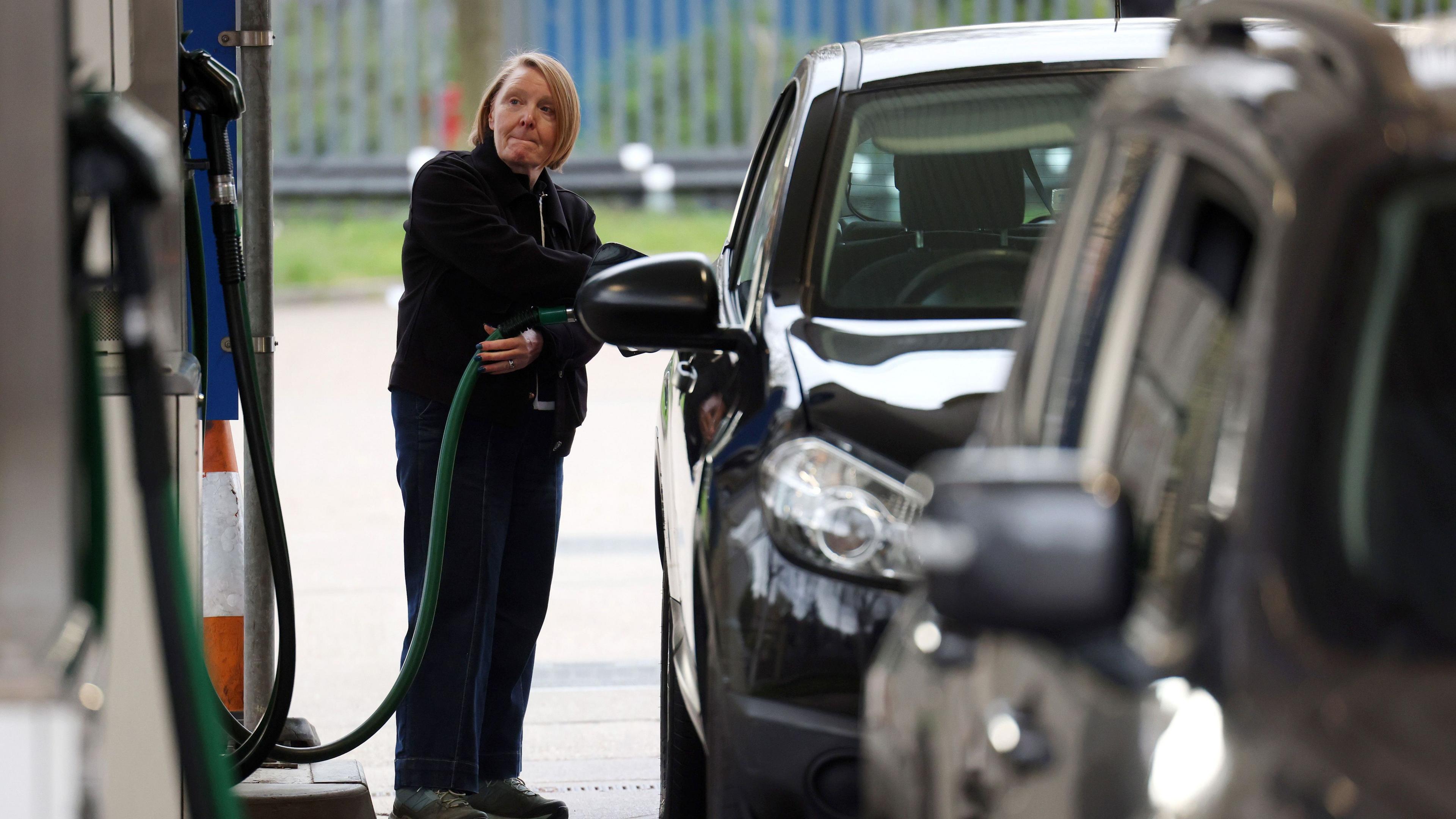
At the final sprint before the November elections, President Donald Trump is delivering a sharp defense of America’s economic performance, insisting that record stock‑market gains and historic low poverty rates prove the country is thriving. Yet voters are not persuaded. Inflation sits at 3.4%, outpacing wage growth, and a recent YouGov survey found 63% of respondents think the economy is getting worse.
That sentiment, combined with an AP/NORC poll that shows only 17% of Americans approve of Trump’s handling of cost‑of‑living issues, puts Republican hopefuls in a difficult position. On one hand they cannot afford to alienate Trump’s loyal base; on the other, they risk losing marginal and independents who are frustrated by soaring prices.
In Florida, where the GOP’s hold is strongest, House Representative Byron Donalds is running for governor with Trump’s enthusiastic endorsement. Asked about the state’s economic future, Donalds insisted that “Florida is the best state in America” while acknowledging that “success has gotten expensive.” He deliberately avoided calling out Trump during his stump speech, instead telling voters he has lived paycheck‑to‑paycheck, and that he knows what it feels like to struggle with rising costs. Even as Donalds underscored affordability, he also barbed the national media for ignoring an already excellent record.
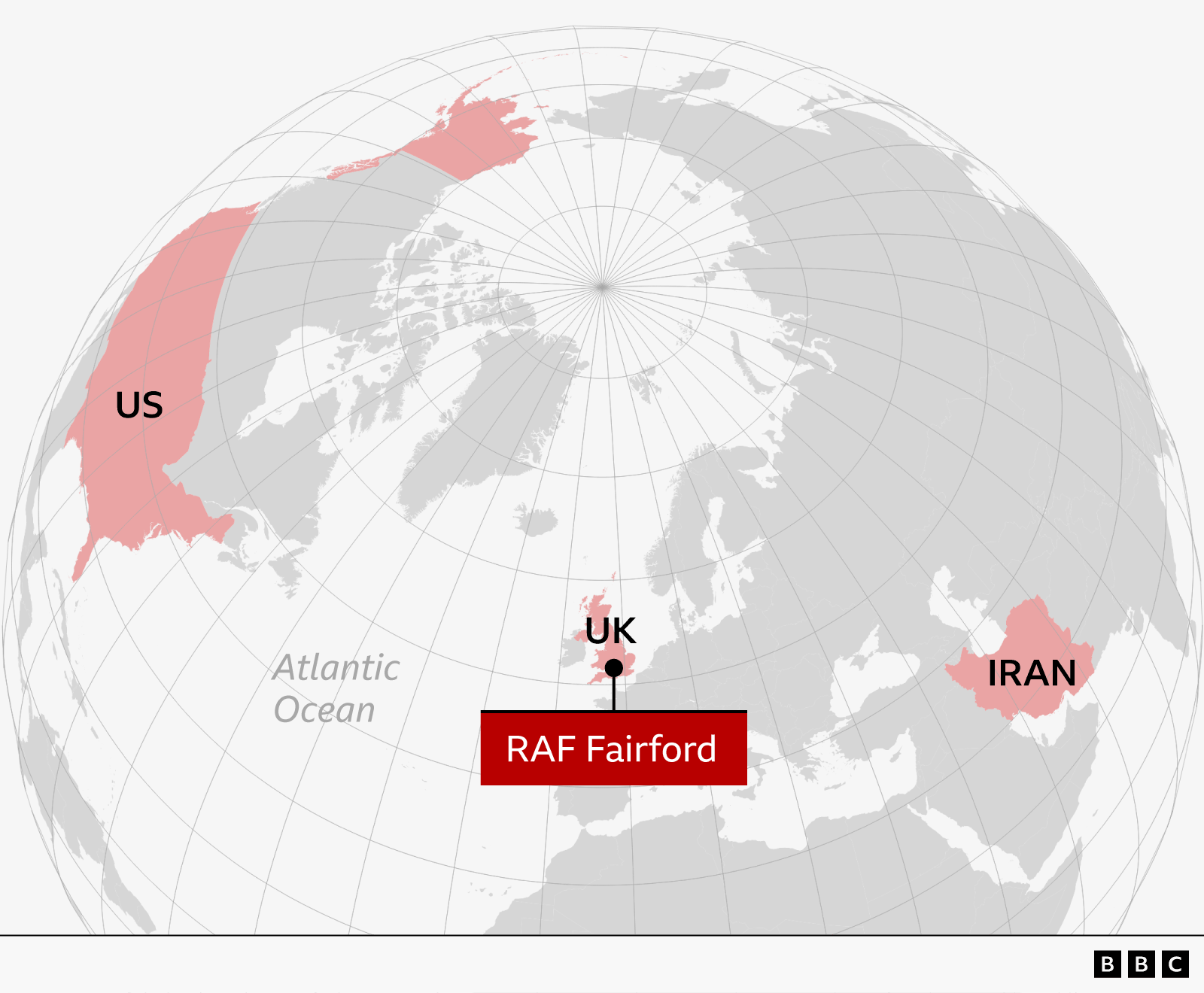
Across the country, Republicans are adopting a similar strategy. In Texas, Governor Greg Abbott hosted a “rural affordability roundtable” promising the state will become the most affordable in America. In Iowa, Rep. Ashley Hinson, a Senate hopeful, launched an “affordability agenda,” arguing Iowans should see relief from Washington’s failures. Meanwhile, in the wake of the Iran conflict and a wave of immigration crackdowns, pundits warn that sudden policy shifts or harsh rhetoric could alienate loyal voters and provoke Trump’s ire.
The GOP’s messaging is a careful balancing act. Campaign consultants urge candidates to piggyback on their strengths—such as lower taxes and immigration enforcement—and link them to the core problem voters care about: affordability. Still, the nation’s largest‑margin victories in the last two years show that the party’s hold on Washington is fragile. Chief newsmen say that the future of the 2026 midterms hinges on whether Republicans can convincingly present themselves as a party that delivered results without letting Trump’s rhetoric drive home a cost‑of‑living narrative that many voters reject.
Trump himself continues to campaign in states that comfortably lean Republican, warning that if the GOP suffers losses, a hostile Congress will object to his policies and limit his leverage as he heads toward the end of his presidency. For now, Republican candidates will continue to tread the fine line, risking either a loss of voter trust or a backlash from Trump’s loyal base as the midterm countdown ticks on.