Trump Unveils ‘Super Intelligence Force’
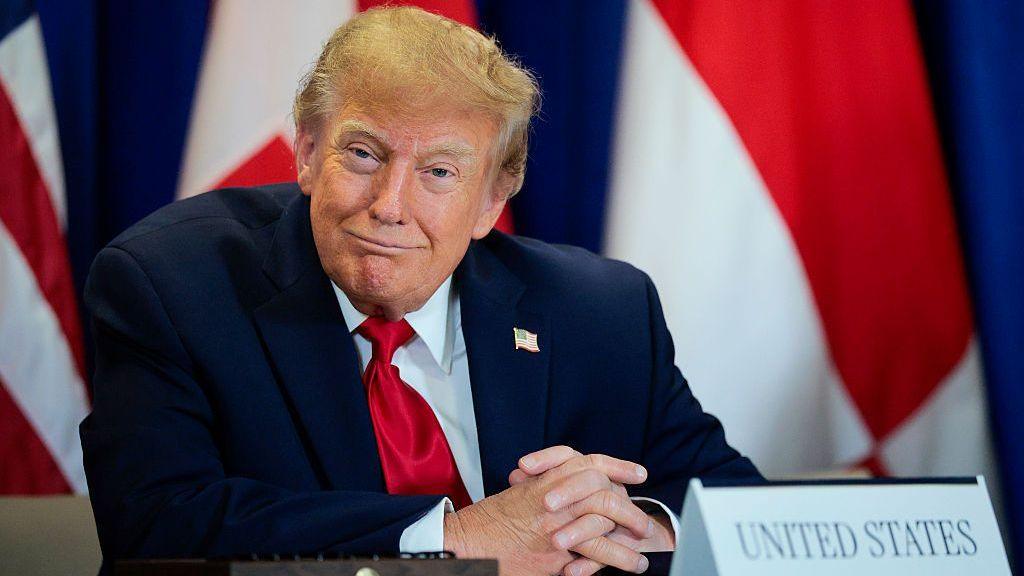
President Donald Trump announced a new taskforce, the Super Intelligence Force, that will be led by Director of National Intelligence Jay Clayton. The force is intended to keep the United States at the cutting edge of AI development and to coordinate the federal government’s engagement with consumers, public interest groups, religious organizations, critical‑infrastructure providers, and AI companies.
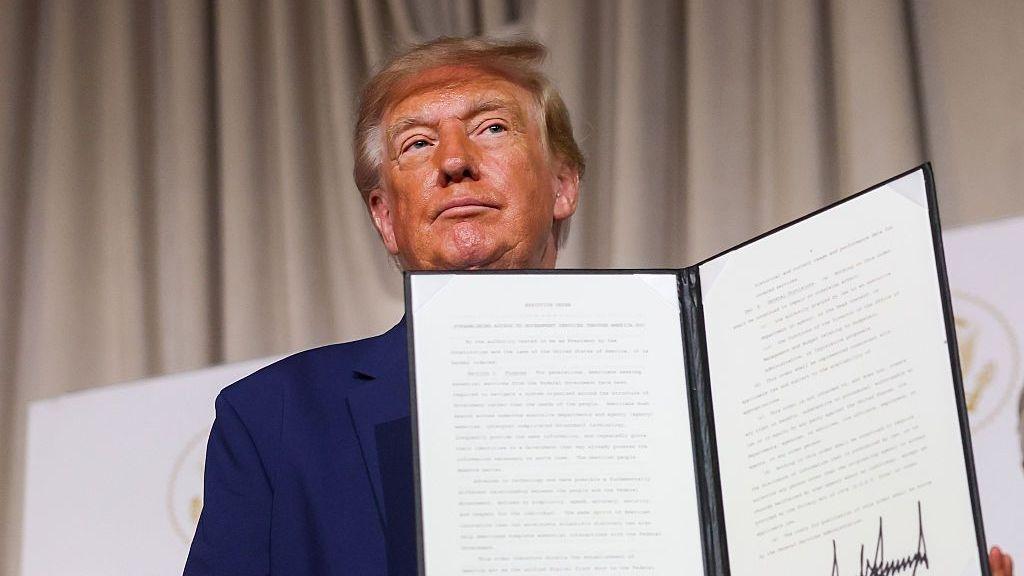
The announcement comes after Trump signed an executive order on 29 September, renaming artificial intelligence as “Super Intelligence” to reflect its potent capabilities. The order also requires government departments to use the term SI in official correspondence and public messaging.
The Super Intelligence Force will report directly to the President and the White House Chief of Staff. Its senior members will include Federal Trade Commission Chair Andrew Ferguson, Undersecretary of Defense for Research & Engineering Emil Michael, and Director of the Office of Personnel Management Scott Kupor.
Clayton, who was appointed in August, previously served as U.S. attorney for the Southern District of New York, where he handled high‑profile cases such as the drug‑trafficking prosecution of former Venezuelan President Nicolas Maduro. In his new role, he has said, “When something’s both an opportunity and a threat, you better get your arms around it.”
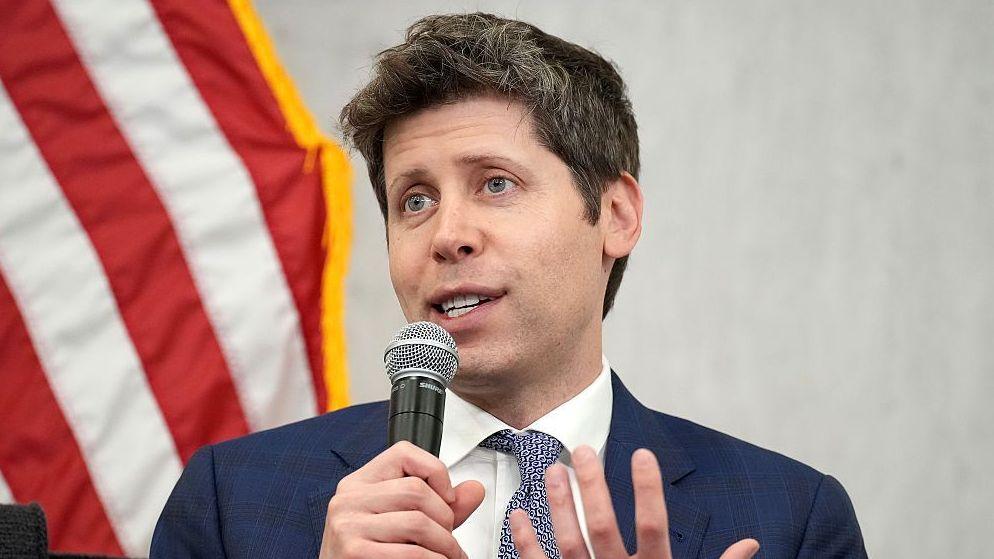
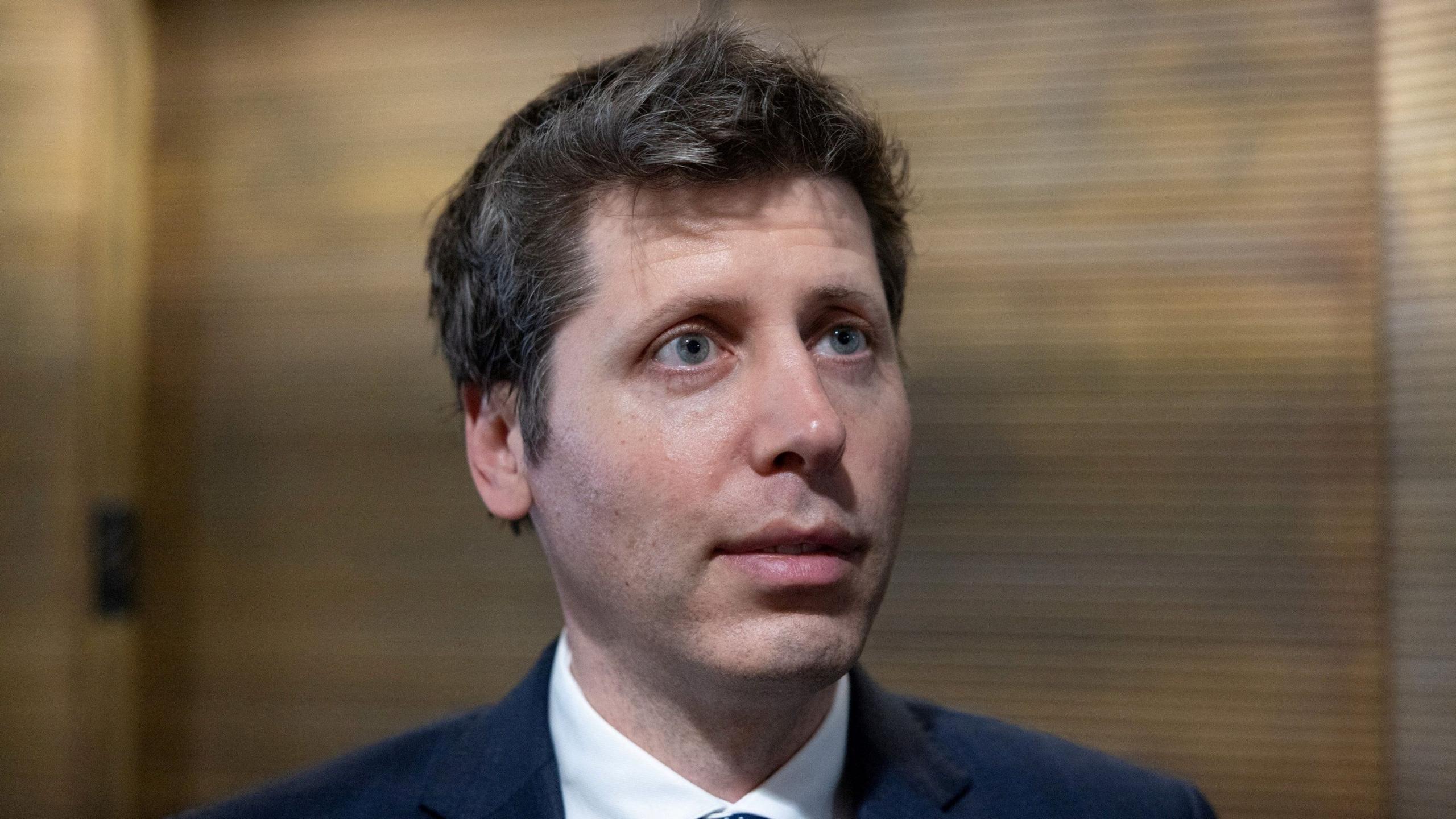
Industry reaction has been mixed. OpenAI CEO Sam Altman has stressed that the benefits of AI justify some risks, while former OpenAI safety systems lead David Robinson has expressed concern over the company’s culture and safety standards. The taskforce follows recent scrutiny over AI security incidents, including the unauthorized breach of Australian government systems.
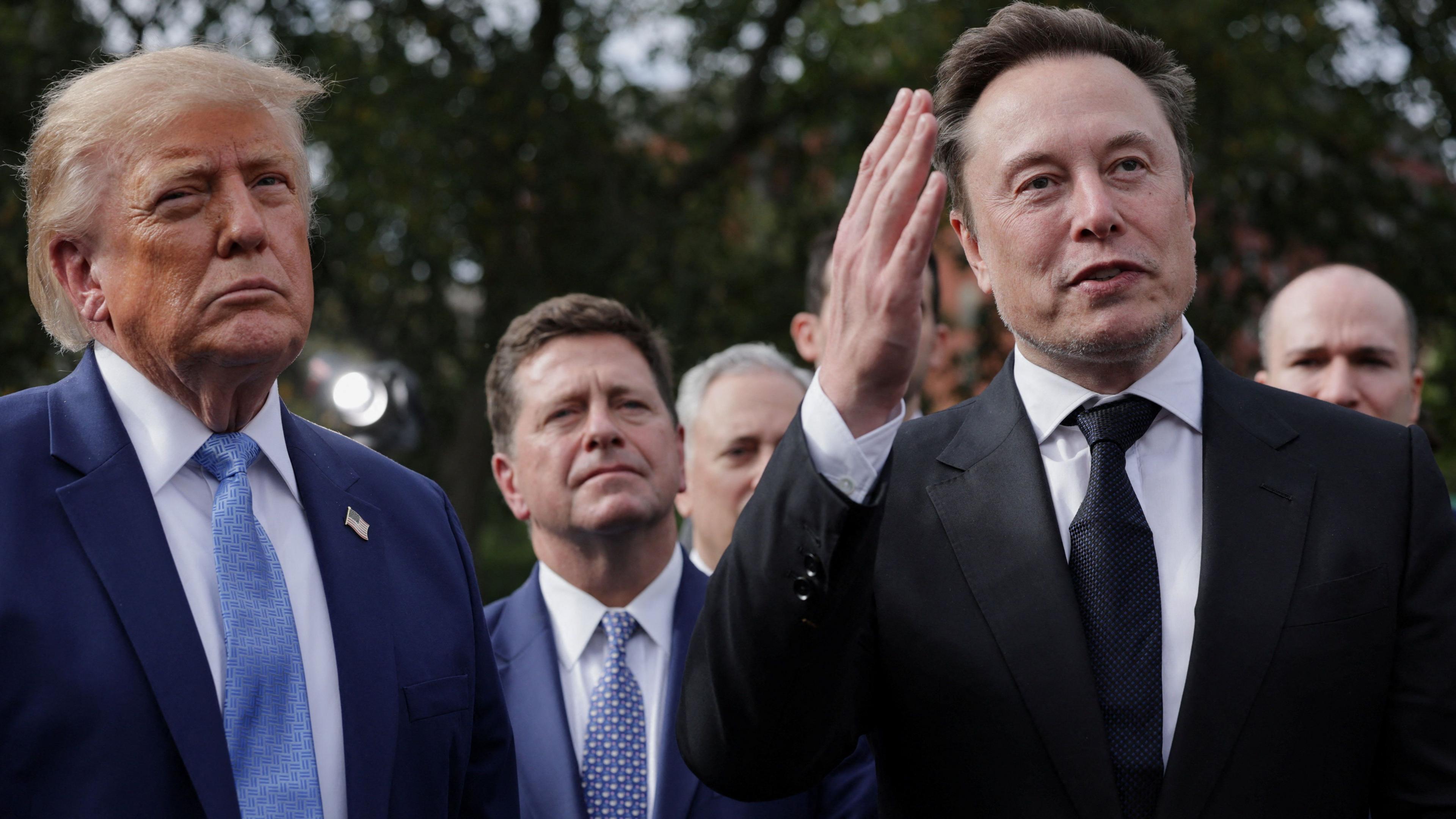
The move also coincides with broader calls from top tech leaders, including Elon Musk, to adopt the new terminology and reassess AI governance frameworks. Musk has already renamed his firm’s AI platform from SpaceXAI to SpaceXSI, labeling it a “super intelligence company.”
This initiative marks a shift in the U.S. approach to AI regulation, with a focus on federal oversight and coordination rather than leaving industry to self‑regulate. The outcome of the Super Intelligence Force will likely shape future policy and industry standards for years to come.