Montreal, 3 June 2026— Canada is treating a U.S. invasion as a theoretical safety net, even as experts rate the risk as almost remote.
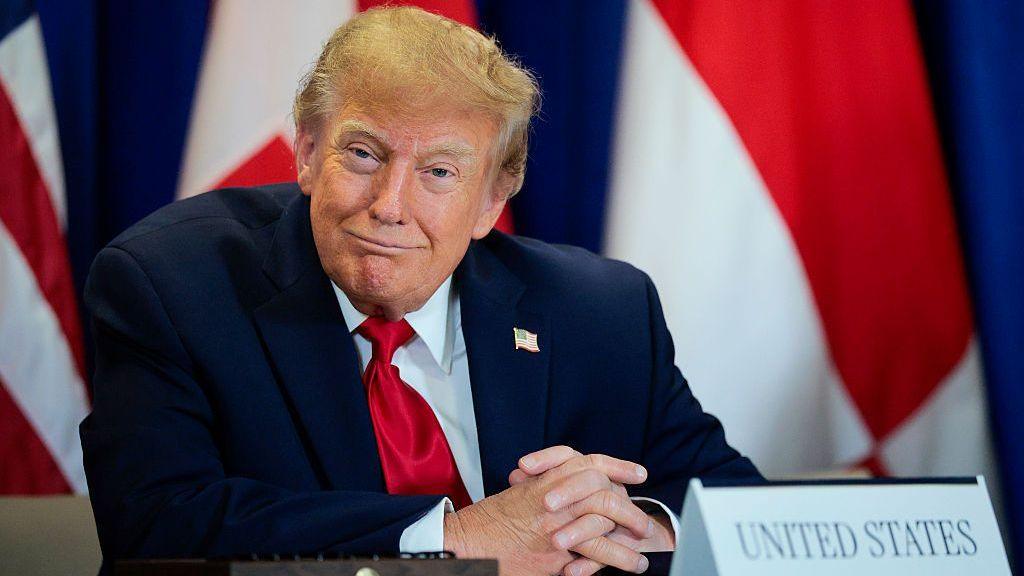
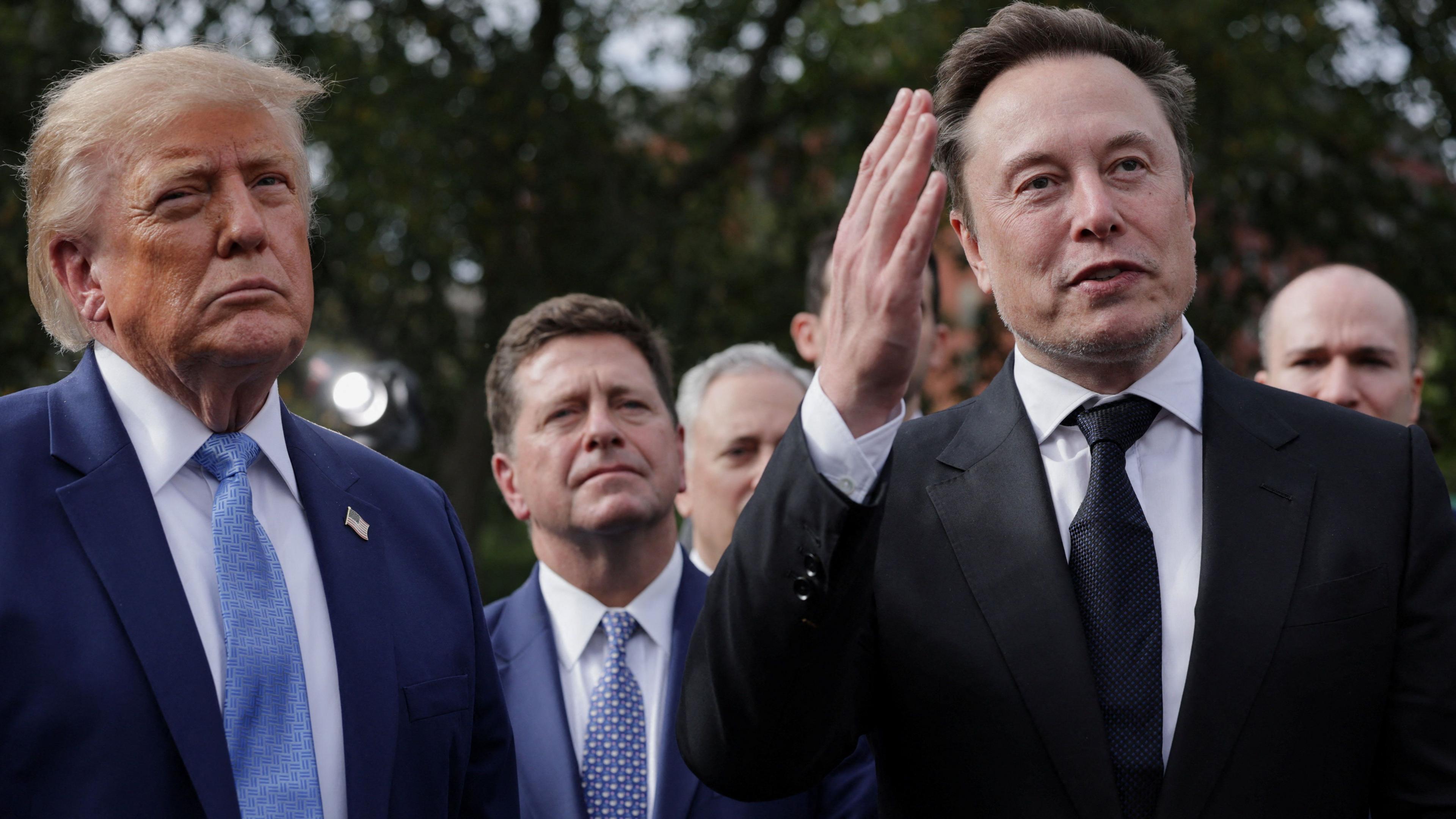
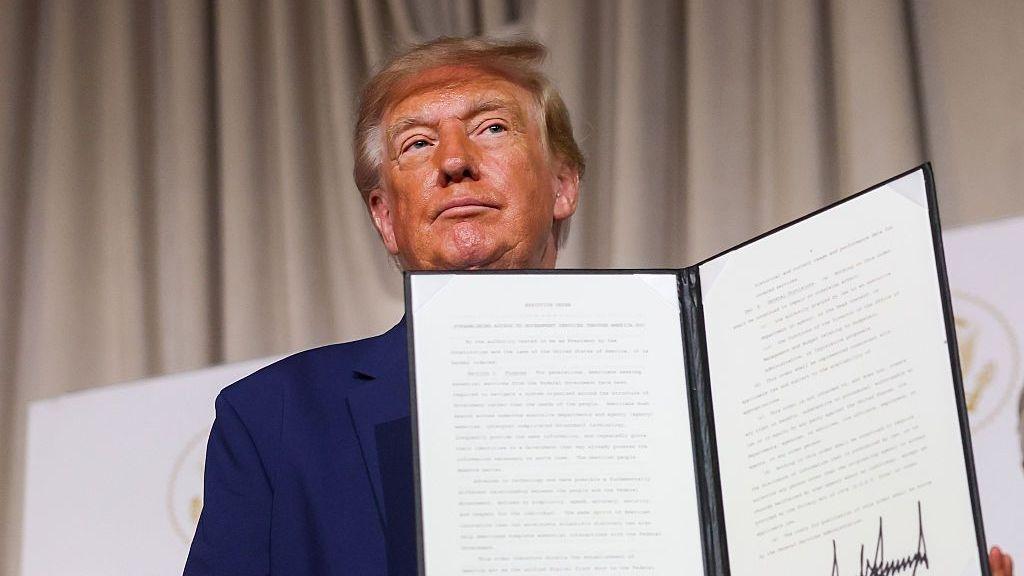
Prime Minister Mark Carney told the New York Times that risk‑management compels leaders to plan for all scenarios, citing President Trump’s ‘51st state’ rhetoric and tariff disputes.
War‑game experts confirm that U.S. troops and Canada share deep NATO ties and that a ground assault would more likely begin with cyber‑operations than conventional artillery.
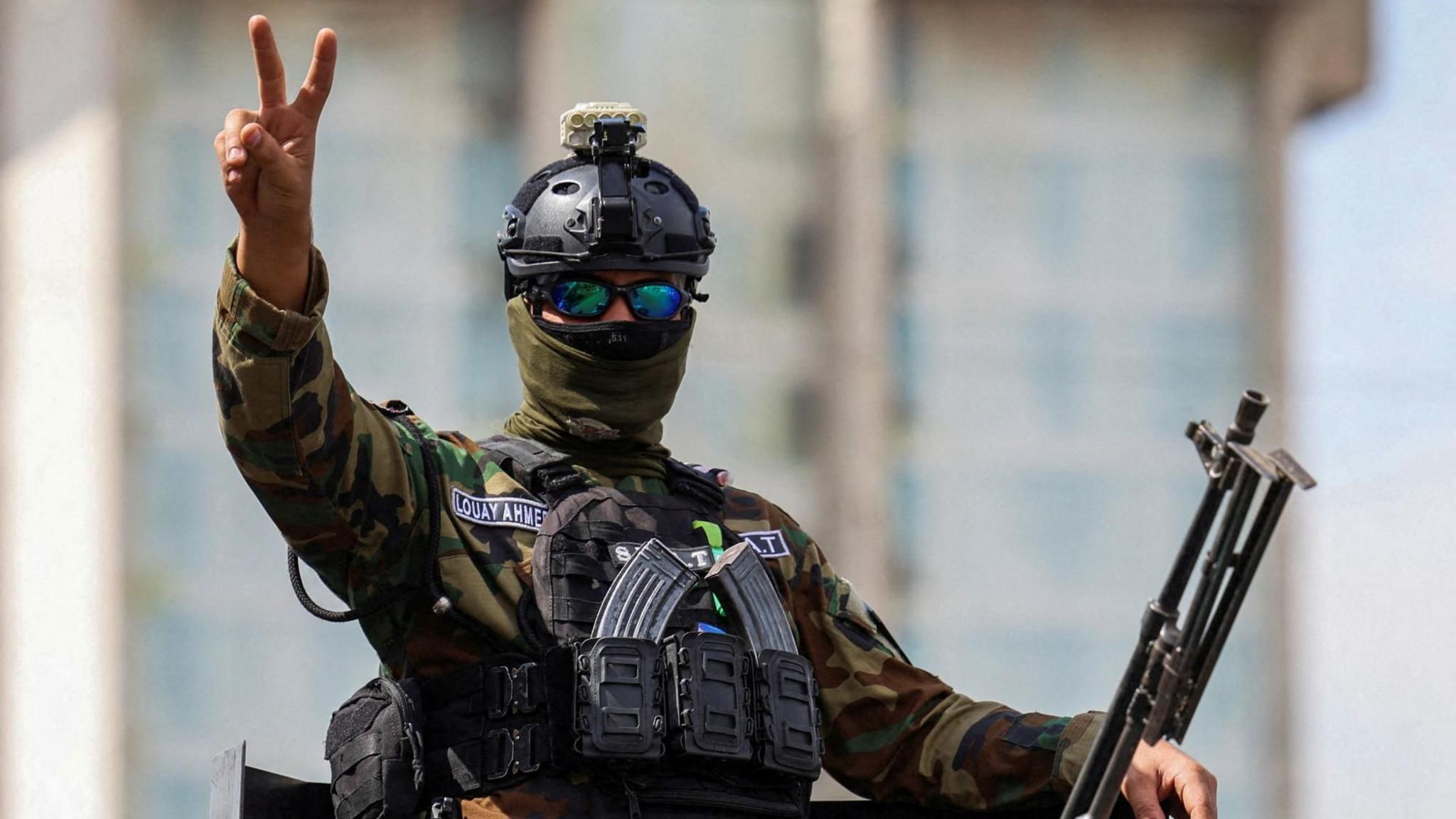
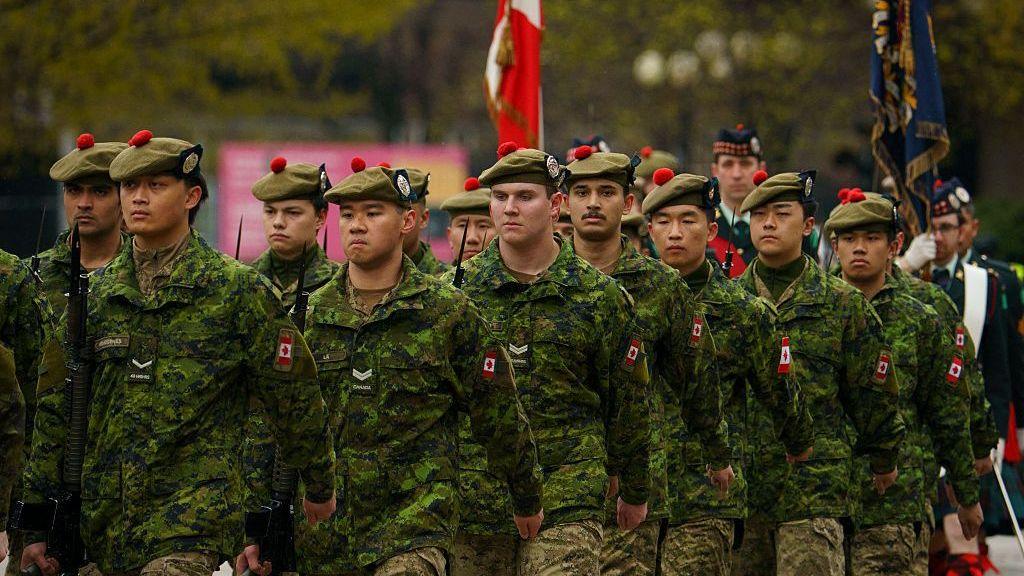
Canadian defense officials have updated exercise plans to imagine a U.S. attack, including the mobilization of 300,000 citizen soldiers in a contingency scenario.
Historically, the two nations have oscillated from conflict—Montreal’s 1775 occupation and the War of 1812—to a long‑lasting alliance; the memory of past conflicts informs modern caution.
"The fear of American expansion is a core part of Canada’s political identity," said researcher Tim Foran, referencing centuries of shared history, from British colonies to the present.
Despite the low likelihood, a poll in January found more than 30 % of Canadians believed a U.S. invasion could happen amid Trump’s destabilizing policies.
Experts caution that even an unlikely strike would test the intimacy of military cooperation and could derail joint training as partners confront a shift in strategic culture.
The piece ends with a call for Canada to weigh the value of continued co‑operation against potential sovereignty threats while maintaining a robust defense posture.