Warning: This article contains details that may distress readers.
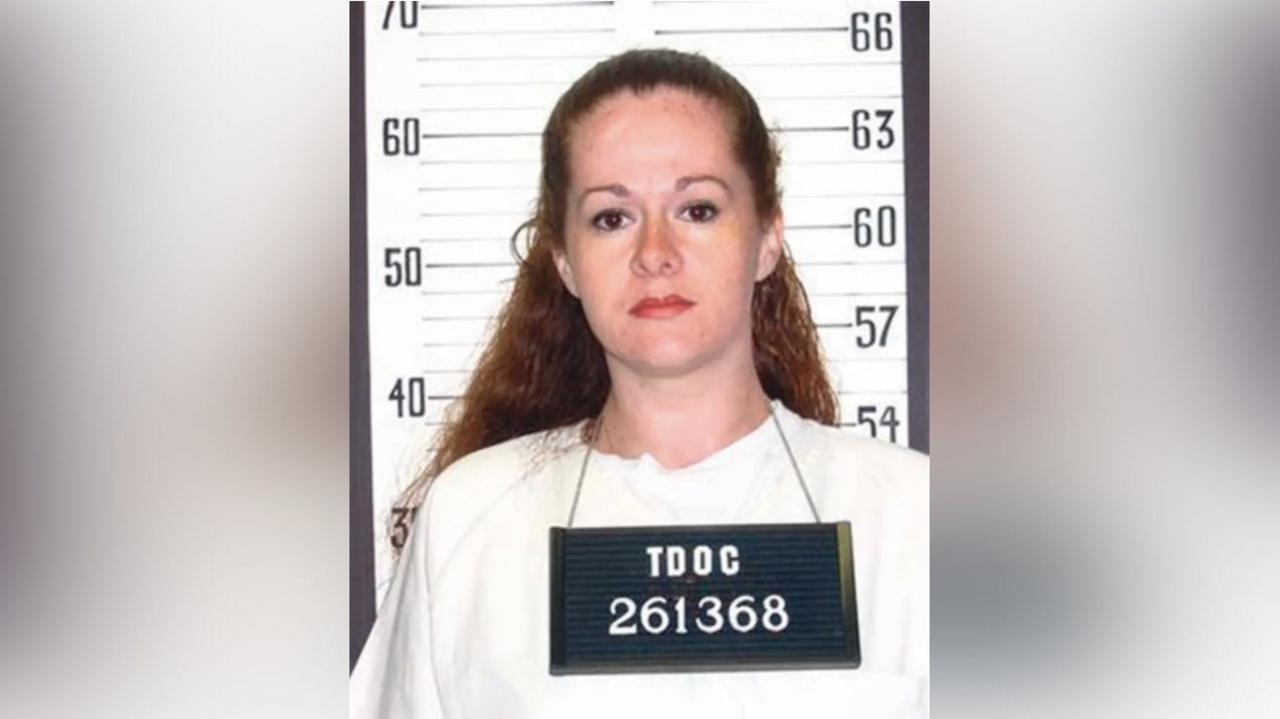
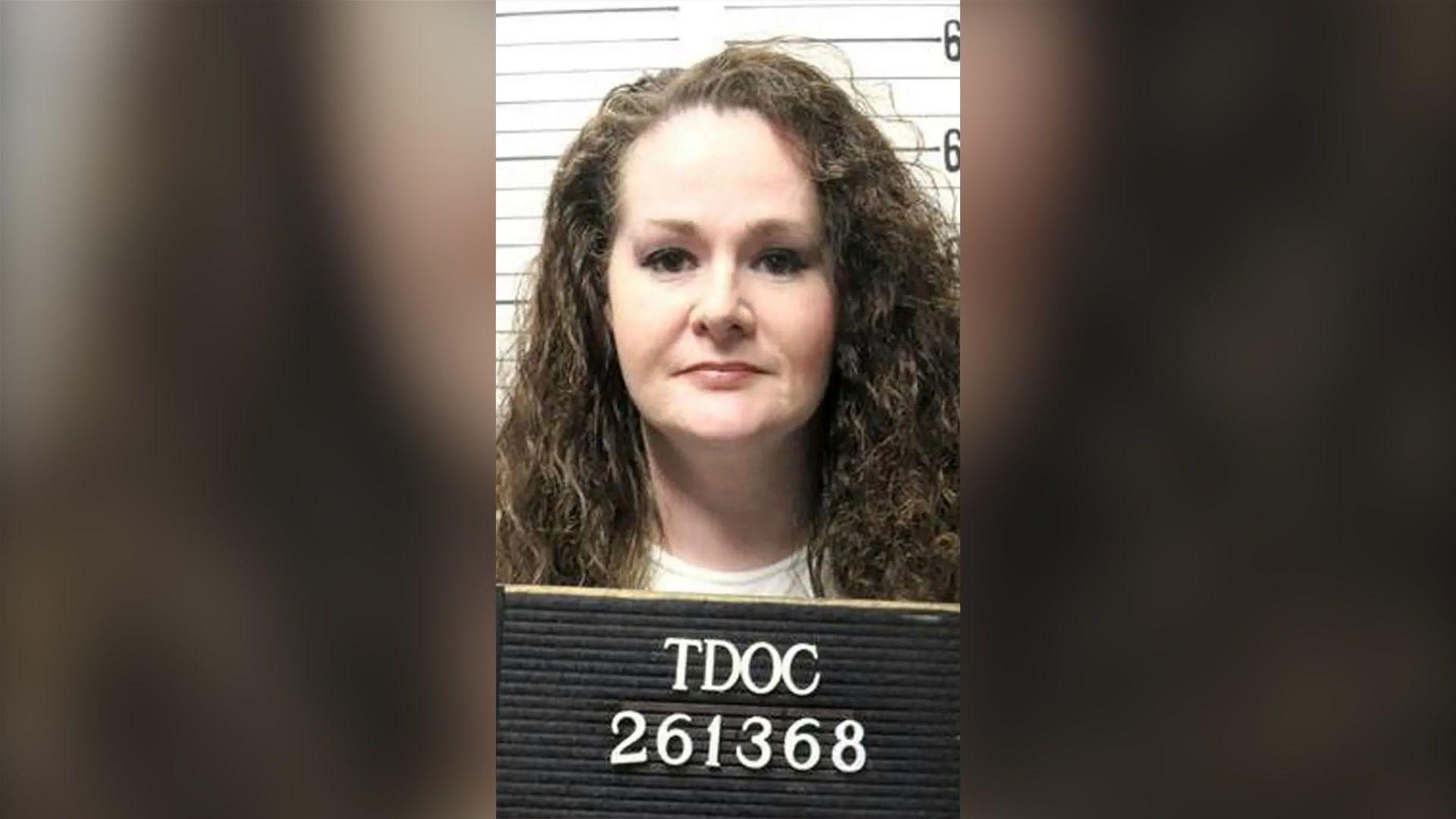
On Thursday night, Christa Pike, a 50‑year‑old Tennessee death‑row inmate, was found unconscious, intubated and on a ventilator after a lethal‑injection attempt failed to kill her. Prosecutors had administered two lethal doses of pentobarbital on Wednesday, yet Pike survived, leading to her being rushed to a hospital in an ambulance.
Pike’s lawyers filed an emergency motion to preserve all physical, written and electronic evidence related to the botched execution. They argue that the execution team failed to secure a proper intravenous line and that the drug never entered Pike’s bloodstream. Hospital staff are attempting to remove the pentobarbital and restore her health, while investigators assess the cause of failure.
The state’s Department of Corrections insists that its protocol was followed, but Governor Bill Lee has ordered an independent review and suspended all executions for the rest of the year. It remains unclear whether Tennessee will attempt another execution of Pike, or how the case will influence broader debates on capital punishment in the United States.
Pike was sentenced to death in 1996 for the 1995 murder of 19‑year‑old Colleen Slemmer. She is the only woman on Tennessee’s death row, and her conviction and upcoming legal battles have drawn national attention to the state’s execution practices and the rights of inmates with medical conditions such as thrombocytosis, which could complicate lethal‑injection procedures.