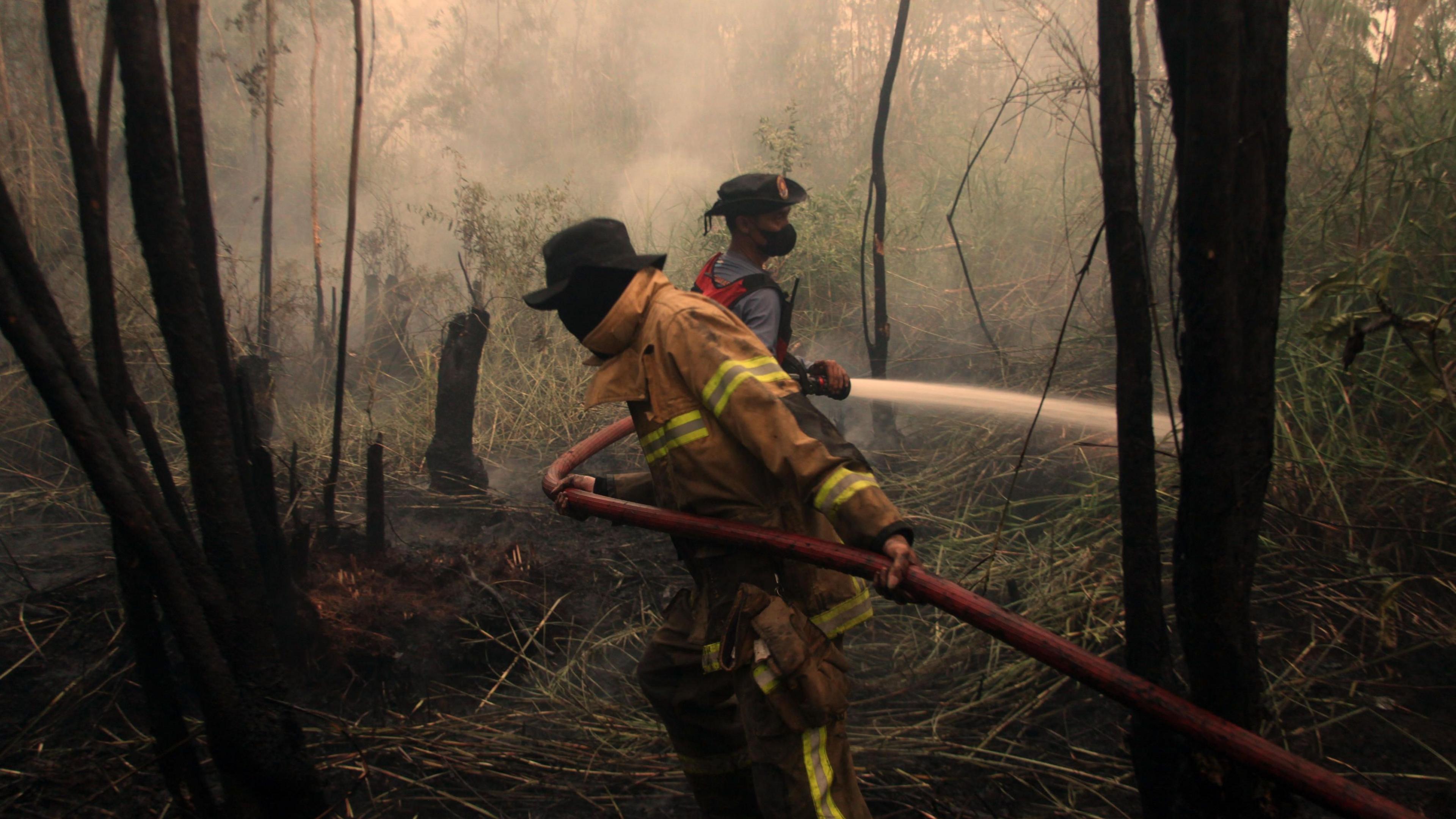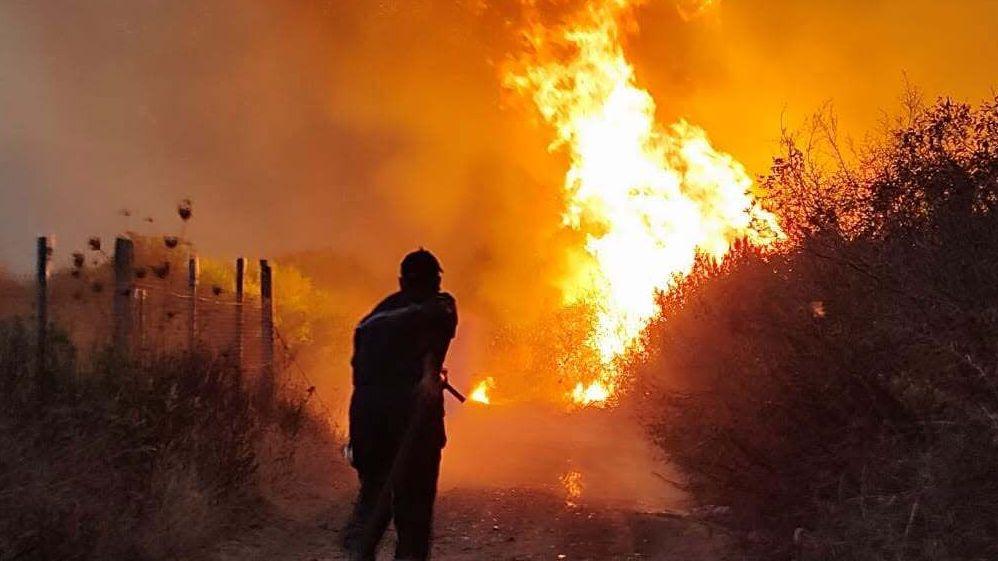
Algeria’s National Assembly has adopted a law that could impose the death penalty on anyone convicted of setting fire to forests or fields. The move follows a summer of devastating wildfires that left more than a hundred people dead according to some independent estimates.
In a session that ran until the early hours, lawmakers voted in favour of a bill that also makes child abduction a capital offence. While the death penalty exists in the penal code, executions have been suspended since the early 1990s.
President Abdelmadjid Tebboune ordered the justice ministry to enact the changes after more than 100 fires erupted across the north‑east of the country amid an intense heatwave. Prosecutors said the crimes have reached “the level of organised crime” and are linked to foreign parties.
Justice Minister Lotfi Boudjemaa told parliament that the harsher penalties are a “necessary legal response” to curb such crimes. He added that the execution of arsonists would serve as a deterrent, while the death penalty for child abductions would target cases involving torture, sexual assault or mutilation.
The upper house, the Council of the Nation, will review the law before it is officially ratified by the president. The bill has already sparked debate over human rights, due process and the potential misuse of capital punishment.
Investigative journalist Nozha Khelalef has compiled a list of those believed to have died in the blazes from death notices and local statements, estimating the death toll at 200. While Algeria typically experiences forest fires in summer, rising temperatures and changing rainfall patterns are making the fires more intense and deadly.