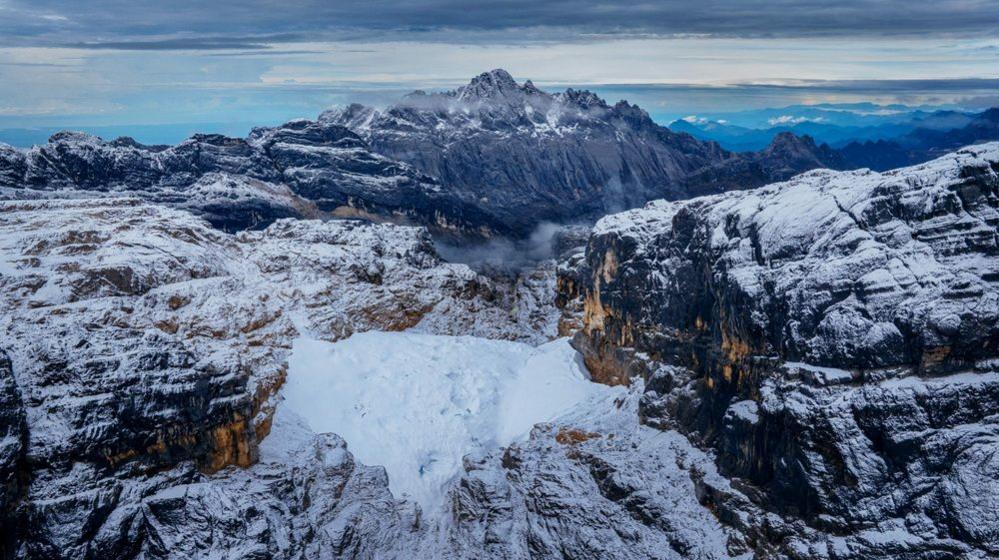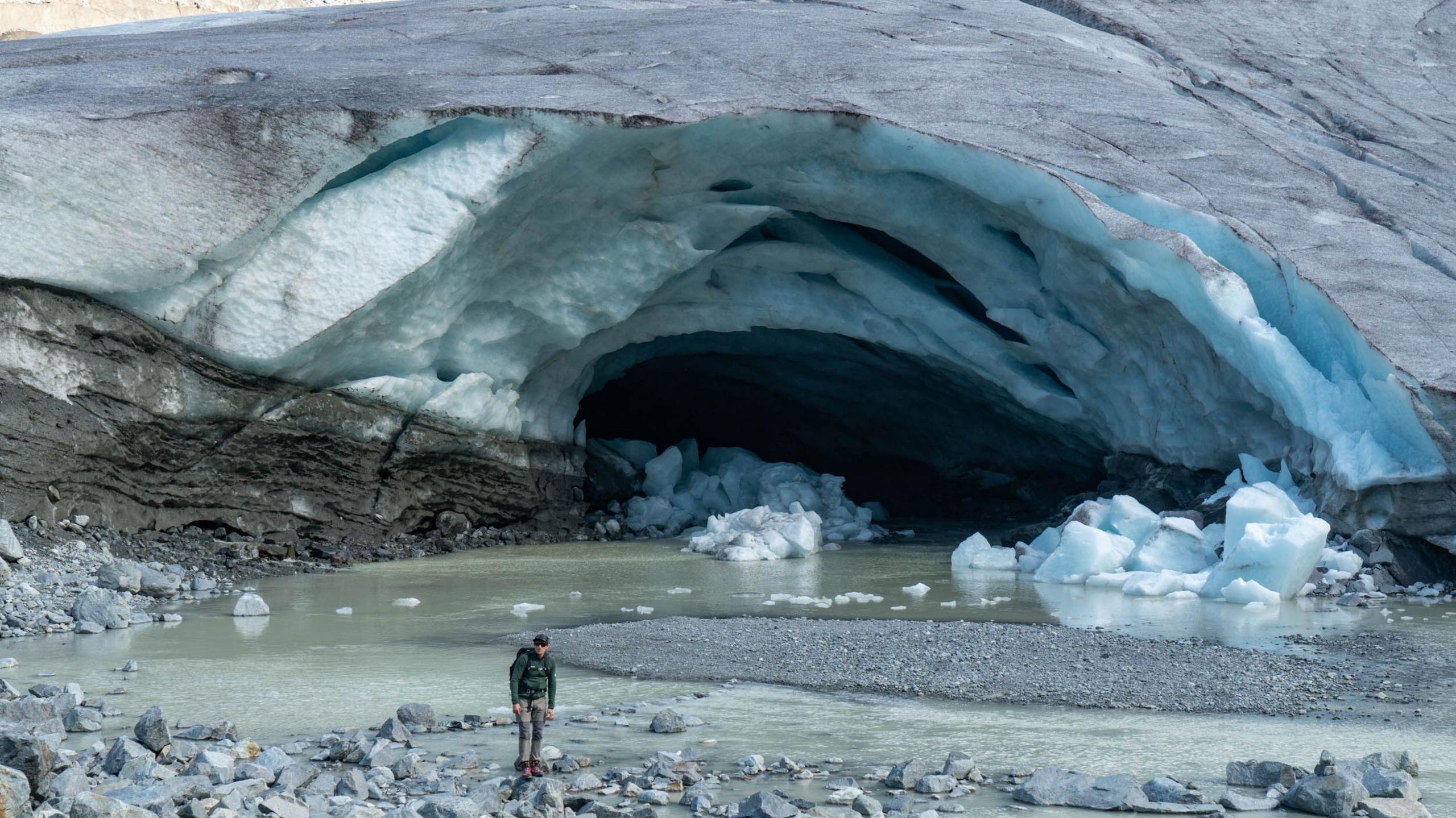
Swiss glaciers have melted at a pace never seen before. Data released in October show a loss of more than 5% of the country’s remaining glacier ice during 2026, a figure that scientists describe as “extraordinary”.
Heatwaves in May and June wired a rapid loss of snow that had covered the peaks, turning the initial light‑colored ice cover into darker, warmer bare ice that absorbed more sunlight. The result was a runaway melt that even impacted the highest reaches of the Alps – where some glaciers recorded up to four metres of ice loss at elevations near 3,500 metres, a level that once had several metres of winter snow.
The meltwater from the Alps has real, immediate benefits. Between July and September, glaciers released an estimated 2.2 trillion litres of water. This helped ease shortages and kept shipping lanes on the Rhine navigable. But the supply is shrinking as the glaciers lose thickness and mass, meaning future heatwaves will no longer be able to tap into that reserve. “Every drop that runs off now is old water that has been stored in the ice for decades,” noted Dr Matthias Huss, director of Glacier Monitoring Switzerland.
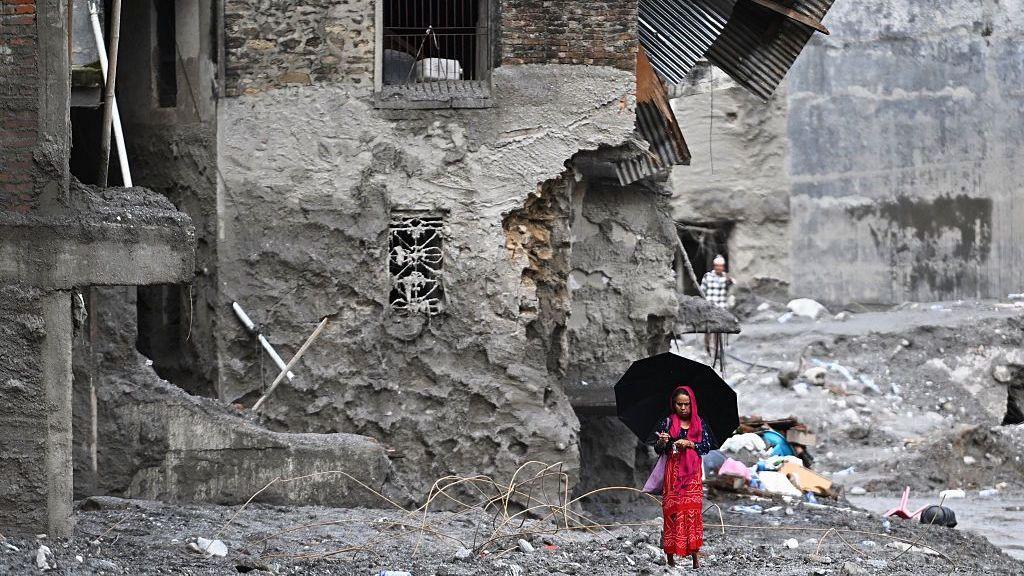
Beyond the water crisis, the rapid mass loss destabilises mountain slopes, raising the frequency of landslides and flash floods – a risk that has already been observed in heavy‑rain events in Nepal. Scientists point out that the hardest hit glaciers are those that rely on continuous snowpack; without it, the glaciers starve and retreat rapidly.
Although the outlook appears bleak, the research stresses that pausing emissions could still save much of the world’s glacial ice. In particular, protecting the Himalayas and polar regions would limit global sea‑level rise that threatens coastlines worldwide. The Swiss experience serves as a warning and a call to action for the rest of the world.