In brief
The catastrophic floods that surged from the Himalayas have left hundreds of hydropower workers trapped in mud‑filled tunnels on Nepal’s Trishuli River. Families cling to hope as rescuers have begun blasting through the hillside to reach the trapped workers and are pumping air into the tunnels in a race against time. The disaster has claimed 939 lives and left 3,925 missing, with 592 foreign nationals affected. An international team of Chinese, Nepalese, Indian, Korean and Australian specialists are collaborating on the underground search, but progress has been slow, prompting criticism from family members and officials. The government has intensified rescue efforts, but every second matters, and the continued use of explosives highlights the urgency of the mission.
The families of more than 600 workers believed to be trapped in mud‑filled tunnels along Nepal’s Trishuli River are holding on to hope that their loved ones can be found alive.
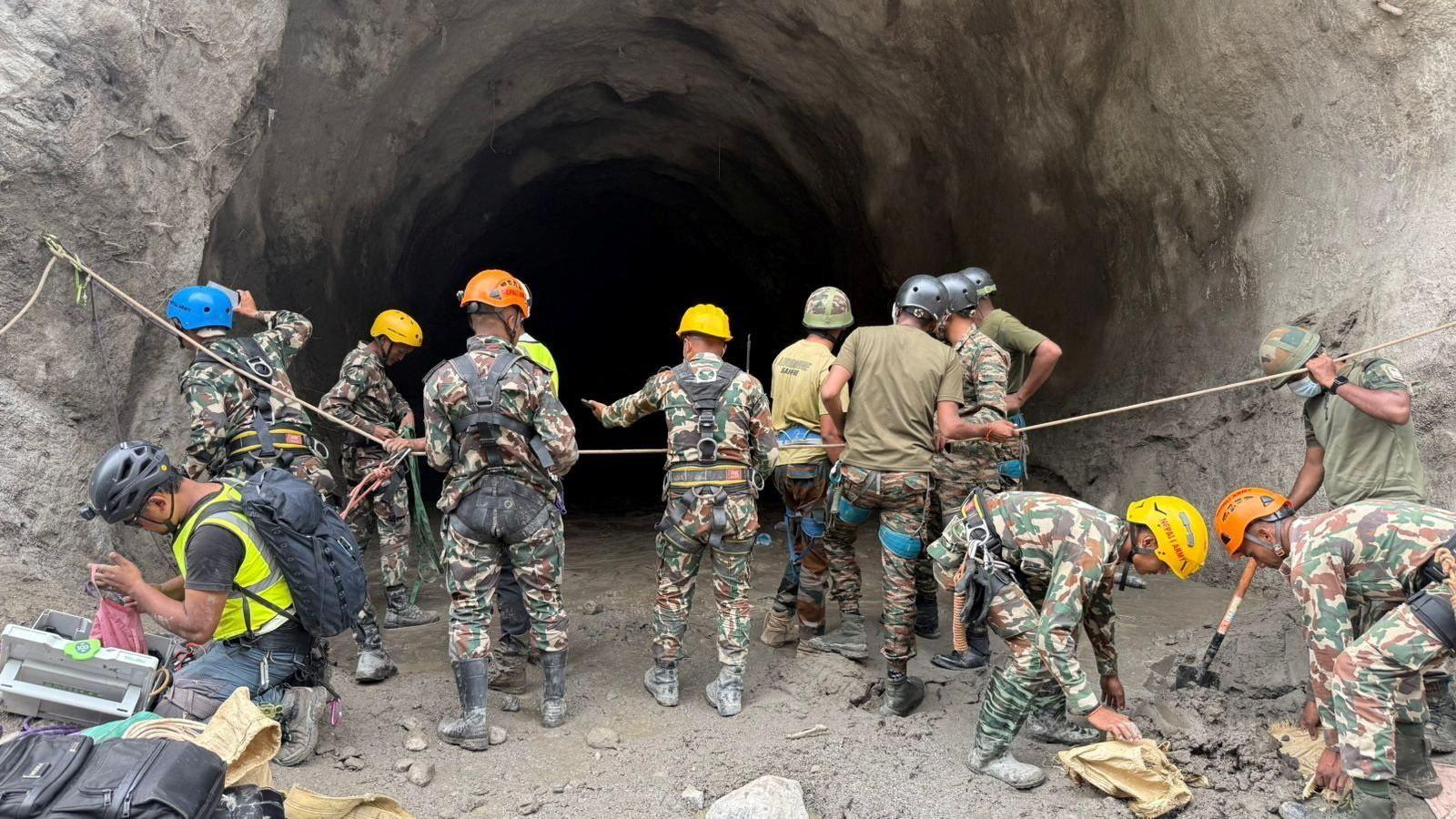
Rescuers continued battling to reach them on Monday, using explosives to blast into the hillside before pumping air into the Trishuli‑3A site, where they fear a critical window to save survivors is closing.
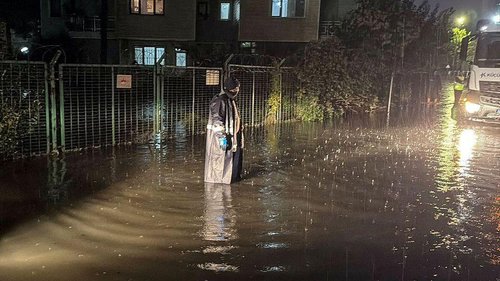
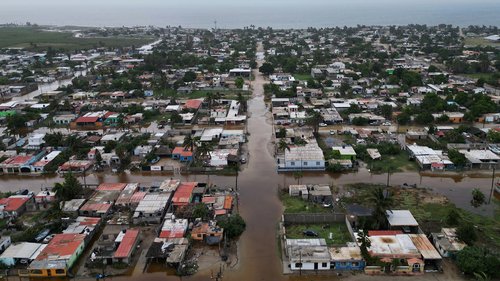
The death toll from the flood that began on the Nepal‑Tibet border has risen to 939, while the missing count stands at 3,925, including 592 foreign nationals, according to the country’s disaster authority.
Around 11 hydropower projects—completed or under construction—were damaged. About one in seven missing people are believed to have been workers at these plants. Prime Minister Balendra Shah announced that 279 people had been rescued to date, and the government has intensified its efforts.
A multinational rescue team—Chinese and Nepalese soldiers on the front line, with experts from India, Korea and Australia—understood the urgent need to penetrate the underground tunnels. Australian engineer Arnold Dix explained the challenges in locating tunnels that have become eerily empty after the floods.
Earlier this week, a rescue attempt reached a tunnel at the Chilime Hydropower Plant but had to withdraw after finding no survivors. Families such as the Bhandari and Pandey families are saying every second counts and that faster action could save lives.
In the downstream district of Chitwan, authorities had to resort to temporary burials of unidentified bodies, with forensic teams now working to identify survivors using DNA.
Meanwhile, Chinese authorities have imposed penalties on online speculation about higher casualty figures, and Nepal has ordered removal of misinformation online.
Army personnel have resorted to using explosives to blast into the hillside to reach the trapped workers.
International collaboration and the use of explosives illustrate the urgency of accessing the underground tunnels to save lives. Families waiting in suspense hope the rescuers reach the workers before it is too late.