In brief
In Israel’s upcoming election, Arab parties could become the decisive swing voters as polls show no side can secure a majority outright. Activists in Nazareth are canvassing by distributing leaflets that urge Arab citizens to vote for parties that represent their interests and that push for a government that would dismantle the current coalition of Netanyahu, far‑right and ultra‑Orthodox parties. While the main blocs of the electorate are racing toward a narrow half‐seat win, Arab groups are either negotiating new alliances or accepting an influential but limited role in the eventual coalition. Shared concerns such as rampant gang crime and perceived discrimination have united Arab leaders across a spectrum of parties, from secular to Islamic. Amid accusations of racism from Israeli Jewish politicians, the Arab parties remain hopeful that their moderate stance will help shape post‑Netanyahu governance. The Supreme Court has thrown out earlier disqualifications, allowing the Arab parties to run in the election, adding more urgency for their supporters to turn out at the polls.
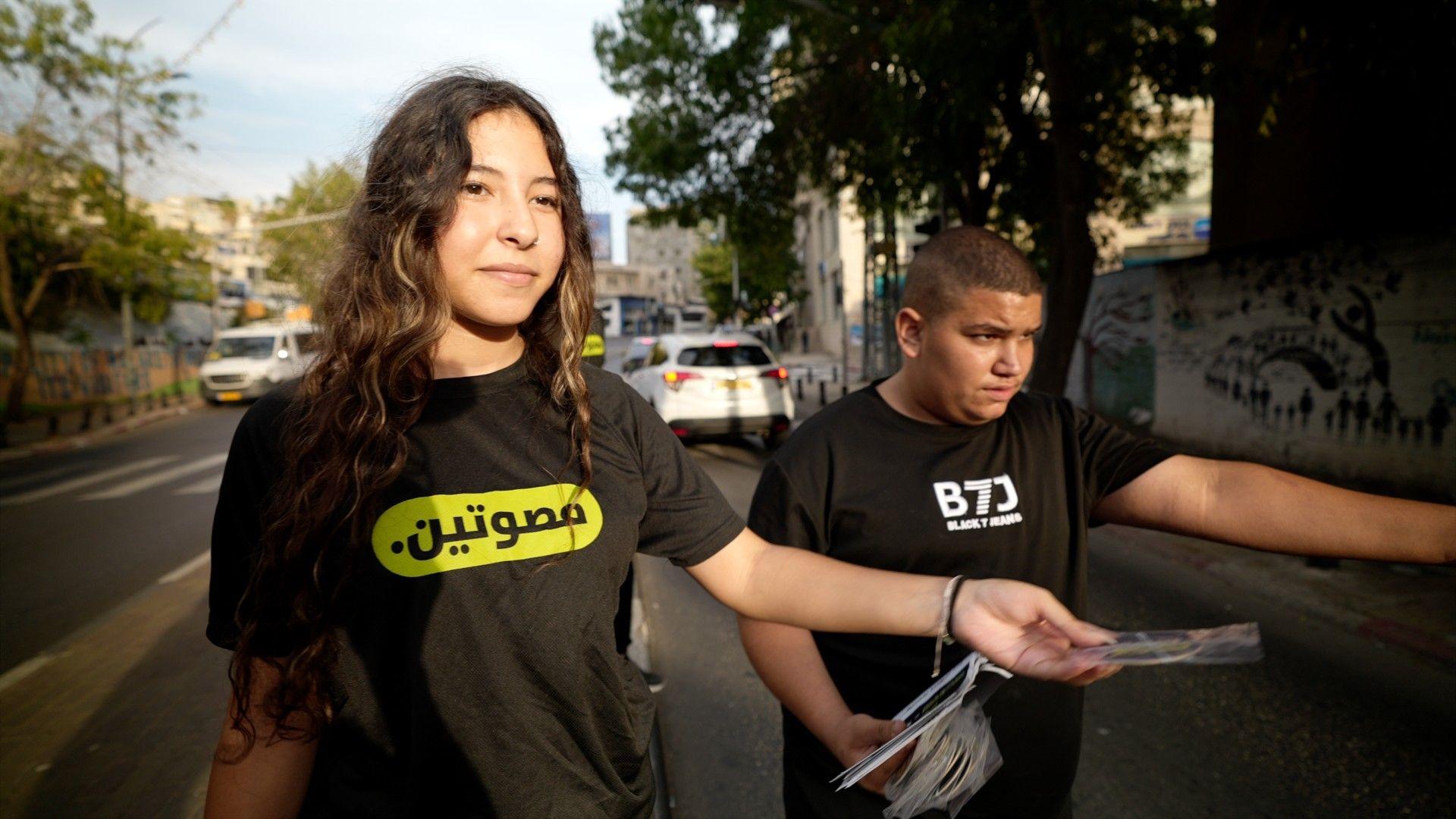
At rush hour in Nazareth, the country’s largest Arab‑majority city, a group of students sit on the roadside with packets of leaflets that call on motorists to vote in the general election next week. The message is clear: the next government will be formed with or without Arab parties holding the balance of power.
In Israel, Arab citizens make up close to a fifth of the population and historically have turned out in lower numbers when disaffection with the state dominates. This time, the drive is focused on ending the coalition that includes veteran Prime Minister Benjamin Netanyahu and far‑right and ultra‑Orthodox parties. “We see it as our duty to bring down this extremist government. They treat us as second‑class,” says 23‑year‑old Arkan Badran, who is handing out flyers. “I call on all young men and women to vote for Arab lists, which represent us, because this is our future.”
Polling suggests that neither Netanyahu’s bloc nor the main opposition wing led by former military chief Gadi Eisenkot can secure a clear majority of the 120 seats in the Knesset. In a contentious turn, anti‑Netanyahu groups are forcing a choice: move past pledges not to ally with Arab parties and negotiate an agreement, or risk falling short. Eisenkot has so far ruled that such an alliance is impossible because of “shared values.”
The war that erupted on 7 October 2023 and the ensuing conflict in Gaza have turned the political landscape in Israel. An upswing in mistrust and hostility towards Arab minorities is evident in diminishing budgets for Arab communities and increased policing of Arab citizens. Civil society groups say the cuts are disproportionate, while the government insists they are necessary for wartime defence.
Mansour Abbas, head of the United Arab List—a party that has moved from an Islamic movement base to mainstream politics—has surprised on the campaign trail by giving the deputy spot to Jewish former police officer Yoav Segalovitz. Abbas claims this manoeuvre increases the likelihood that his party will be invited into the next coalition, arguing that parliamentary representation alone is insufficient to deliver change for Arab citizens.
One of the biggest concerns for Arab Israelis is gang violence. A recent study showed that over 50 percent of Arab voters name gang crime as the most important factor in deciding where to cast their ballot. Last year, killings among Arabs reached a record high, with 252 murders—roughly five times the number of Jewish Israelis killed.
Efforts to ensure Arab parties can participate faced a setback when the Central Elections Committee sought to disqualify the United Arab List and the Joint List, citing alleged violations of a law that bans candidates who deny Israel’s Jewish character. The Supreme Court overruled this decision, ensuring their participation in the election.
With election day fast approaching, Arab voters in Nazareth and other communities are motivated by the prospect that they can now determine who governs Israel. The stakes are high: a coalition that includes these parties may also shape future policies on security, budgets, and cultural equality.