In brief
The current El Niño has surged to record‑breaking strengths, with sea‑surface temperatures in the central Pacific exceeding all previous benchmarks. Scientists declare it “unprecedented,” noting that temperatures above 30 °C have stretched beyond the typical monitoring zone. While climate change has not directly intensified the pattern, a warmer ocean background magnifies the heat released into the atmosphere, raising global temperatures for 2026 and 2027. The super‑event is linked to extreme rainfall, wildfires, and a shift in hurricane activity across the Pacific and Atlantic. Preparedness and food‑security measures are already being considered to mitigate the worldwide impacts.
Scientists are calling the current El Niño event “unprecedented” as it sharpens into a record‑setting superstorm, already pushing sea‑surface temperatures in the central Pacific to all‑time highs.
The Australian Bureau of Meteorology reports weekly averages that exceed every previous benchmark, outpacing the 2015‑16 event that set the Labrador record of 30 °C. Ocean temperatures above 30 °C have appeared across the tropical Pacific for the first time, amplifying the heat expelled into the atmosphere.
These temperatures are being measured in a band traditionally used to gauge El Niño, but the warmth now spreads far beyond that zone, affecting the entire eastern Pacific and even the Gulf of Mexico.
While the World Meteorological Organization says climate change hasn't directly made El Niño stronger, the background warming of the oceans means the same pattern releases more heat into the air, feeding higher global temperatures for 2026 and 2027.
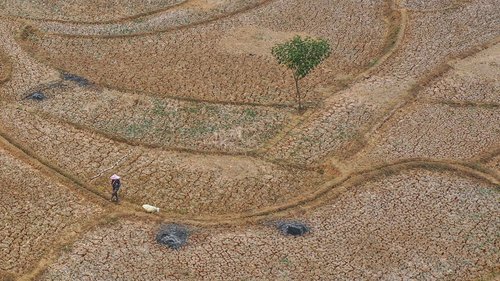
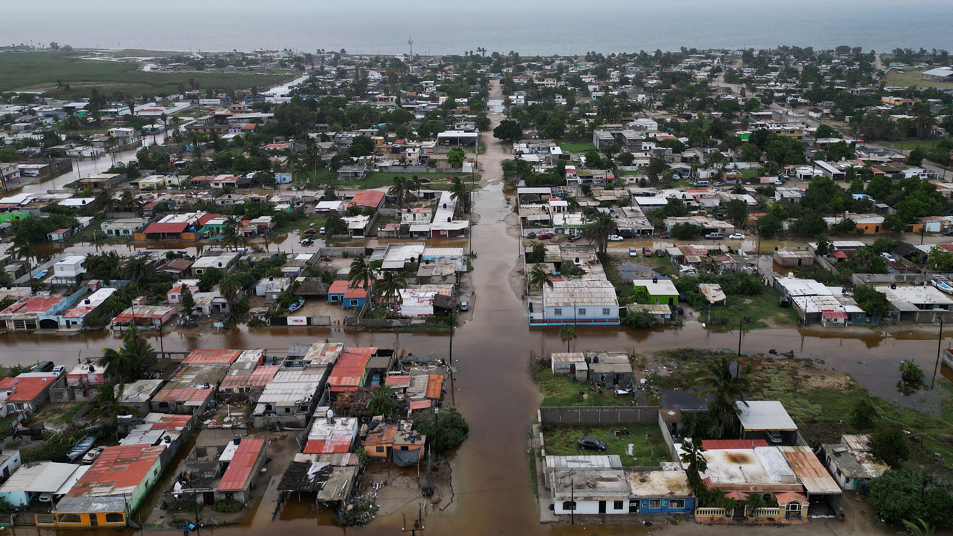
Experts predict that this super‑Niño could trigger extreme weather worldwide, from intensified Pacific typhoons to severe droughts and fires in south‑east Asia, while buoying the intensity of Atlantic hurricanes at the same time.
Preparedness measures are already under consideration as food‑security concerns rise in East Africa and the Asia‑Pacific, where floods and droughts threaten livelihoods.