In brief
With Israel’s general election approaching, Arab citizens are campaigning vigorously for the upcoming vote as their 13-14 seats could become kingmakers. Polls suggest neither Netanyahu’s right‑wing bloc nor Gadi Eisenkot’s centrist Change Bloc can secure a clear majority on their own, forcing the dominant parties to look to Arab parties for support. Activists in Nazareth are handing out leaflets and displaying party flags on cars, urging Arab Israelis to vote to influence the balance of power. Political leaders such as Mansour Abbas plan to use the election to secure a seat of influence within any future government, while others remain wary of coalition ties. The outcome will not only shape the next government but also determine how Arab citizens are treated in Israel’s post‑war political landscape.
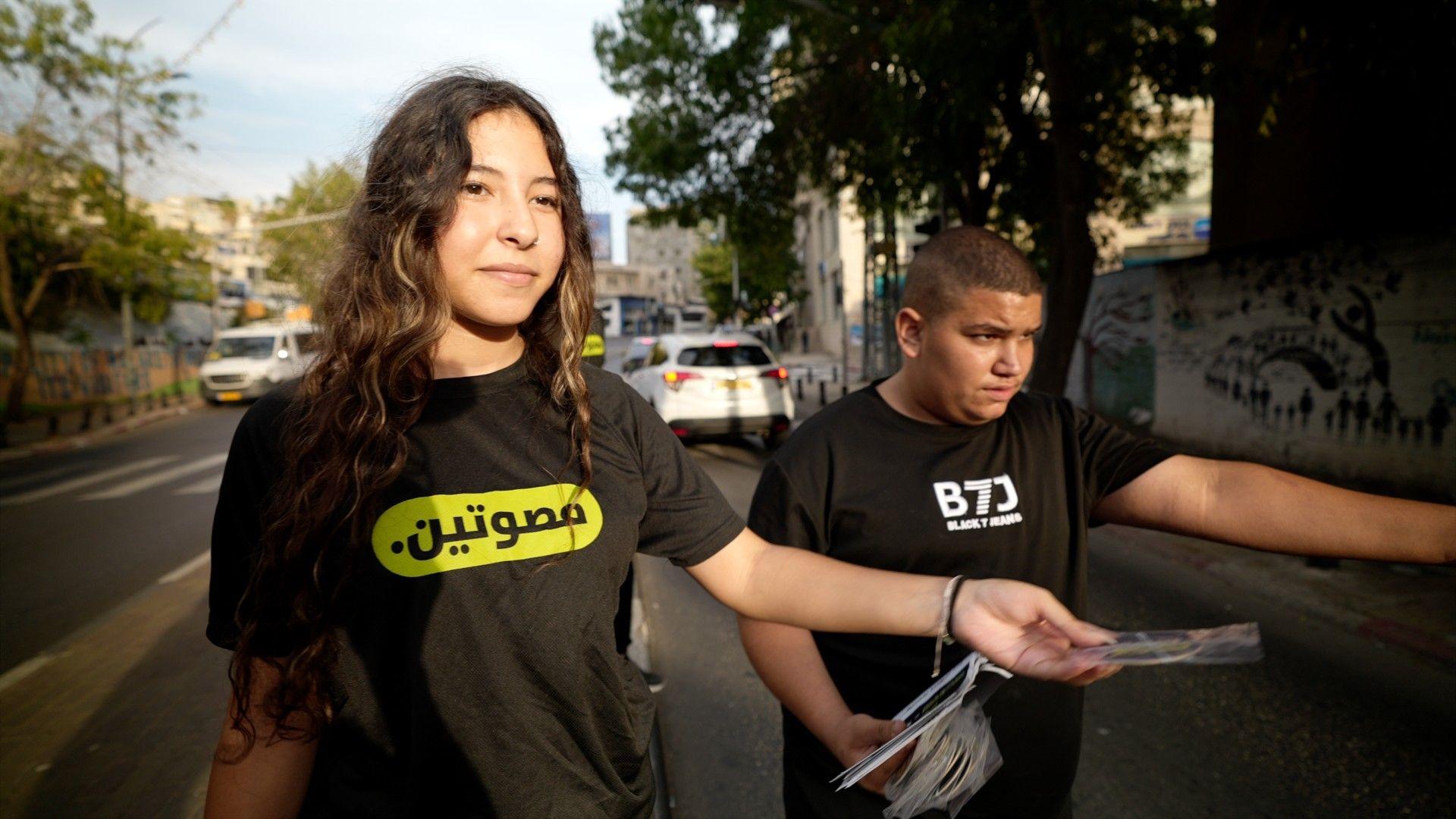
In the bustling streets of Nazareth, the city with the nation’s largest Arab‑majority population, students and local activists are handing out campaign leaflets, urging Arab Israelis to vote in next week’s general election. The timing is no accident: polls indicate that the Arab lists could hold a critical balance of power in a parliament that may have no clear majority.
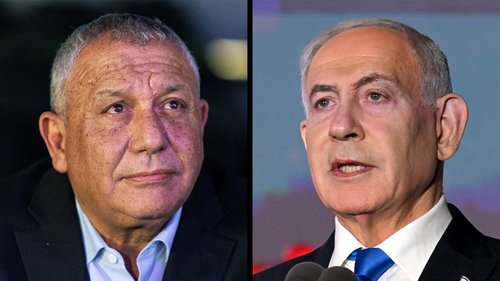
Both Netanyahu’s right‑wing coalition and Gadi Eisenkot’s centre‑right Change Bloc are floundering, each expected to win around 50 of the 120 seats in the Knesset. With only about 13 to 14 seats in total, Arab‑majority parties—such as the Joint Arab List and the United Arab List—could become kingmakers. The stakes are high: the parties that secure the required support will shape policy on security, budgets and minority rights.
Arakan Badran, 23, says the rallying cry is a response to an extremist government that treats Arab citizens as “second‑class”. “We want to bring down this regime,” he says, “and we need you to vote for Arab lists that stand for us.” The feeling is echoed on the streets, where flags bearing party logos are painted on car hoods.
The political calculus is complex. While the Joint List speaks for equal rights and a two‑state solution, it has been willing to negotiate with Jewish parties that share its agenda on civil matters. Conversely, the Right‑wing Finance Minister Bezalel Smotrich has urged a “Judaisation” of Arab‑majority areas, likening it to settlement expansion in the West Bank—a stance that has alienated many Israeli Arab voters.
Beyond politics, the campaign is also about survival: an Israeli‑Arab resident of Jaffa told the report that gang violence has reached a frightening high, with 252 murders last year among Arab citizens. The community’s frustration over police inaction and perceived state discrimination fuels the urgency to elect a government that takes their concerns seriously.
On election day, ballots will pit entrenched right‑wing forces against a coalition that now includes Arab voices—an outcome that could redefine the public narrative around Israel’s identity, security and the relationship between its diverse communities. As voters head to the polls, the question remains: will Arab Israelites finally command the power that shapes their future?