Papua’s Ethereal Snow: The Last Glacier Vanishing Under Global Warming
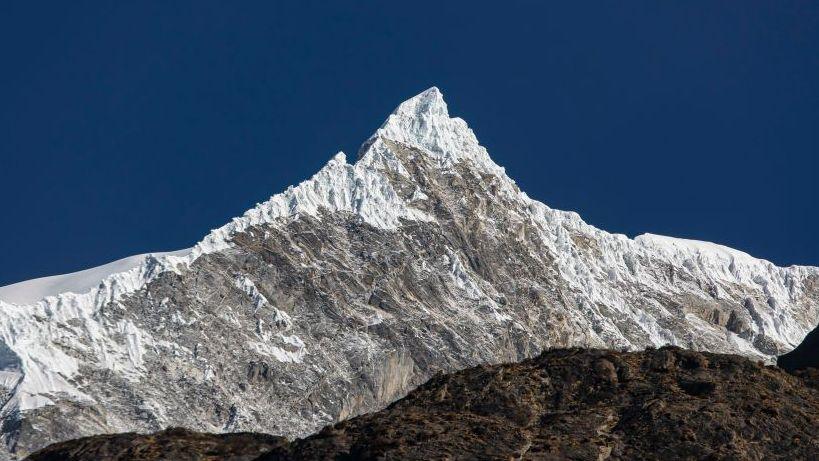
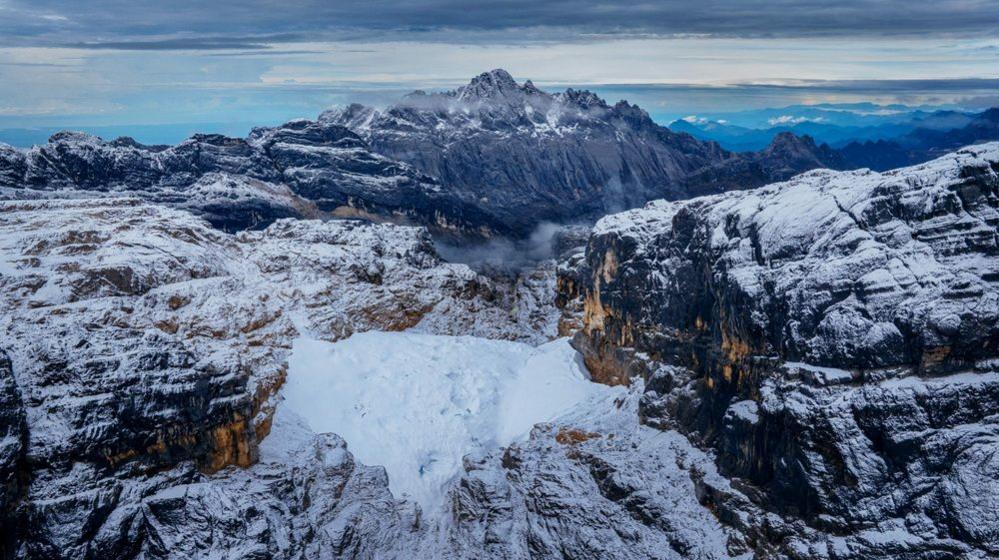
The Sudirman Range, straddling the equator on the world’s second‑largest island, turned into a giant laboratory for climate science when the first ever tropical glaciers were found on its peaks a century ago. Today the ice that once spanned over nineteen thousand hectares has shrunk to a handful of metres of snow on the summit of Puncak Jaya, also called Carstensz Pyramid.
Scientists say that the retreat is a stark reflection of global warming: rising air temperatures lift the altitude where snow can survive, turning precipitation that once fell as snow into rain even at the highest summits. El Niño events and local cloud cover add to the volatility, and the situation is now a dramatic, if sobering, warning that glaciers worldwide are on a one‑way track toward disappearance.
The loss is not only scientific but also cultural. For the Moni, Amungme and other indigenous groups, the mountain – known locally as Mbainggela or Nemangkawi – is a spiritual anchor, a symbol of honesty and mana. When the pristine peaks melt away, the people fear that a core part of their identity and heritage will slip into oblivion.
Researchers such as Czech ecologist Marie Šabacká and Danish team leader Klaus Thymann have flown drones and mapped the ice in 3‑D, documenting a 95 per cent loss since the early 2000s. With nearly no ice left, the “eternal snow” has truly become an epithet for rain‑fall and a heartbreaking call to action.
Impacts and Urgent Choices
The disappearance of these tropical glaciers threatens more than just a snow‑pack. They hold a chronological archive of atmospheric composition, offering clues to ancient climate patterns and future warming corridors. Without the ice, the data points evaporate, leaving scientists with a gaping hole in Earth’s climatic past.
Governments, mining companies and local communities are watching as land‑plus extraction reshapes valleys and roads. While some argue that mineral wealth brings progress, the environmental setbacks—such as flooding and loss of ancestral rights—highlight the fragile balance between development and preservation.
The story of Papua’s fading snow reminds us that climate change is not a distant threat. It is happening now in the icy crests of a tropical paradise, and its loss will ripple through global ecosystems, scientific research, and the cultural fabric of millions of people.