Swiss glaciers suffer ‘disastrous’ year of ice loss, threatening water supplies
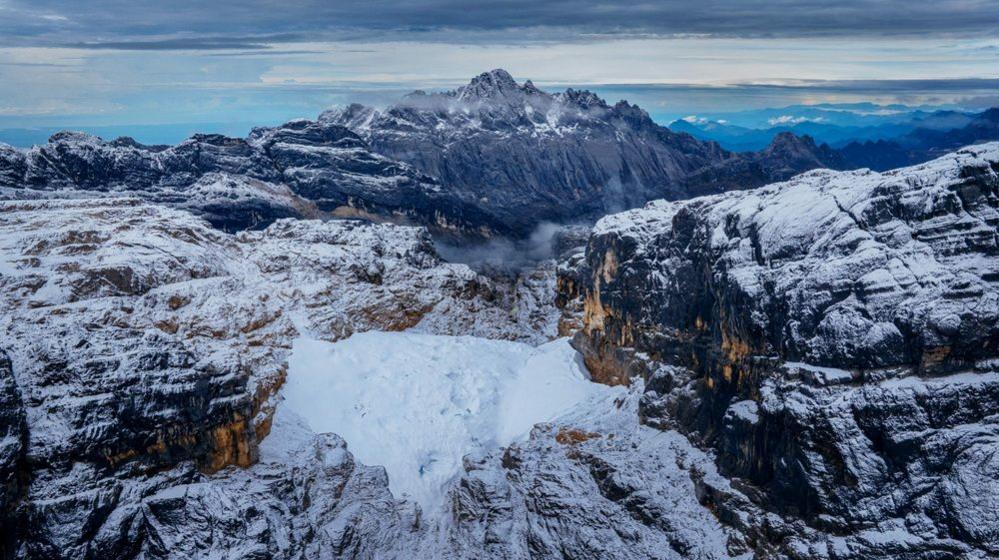
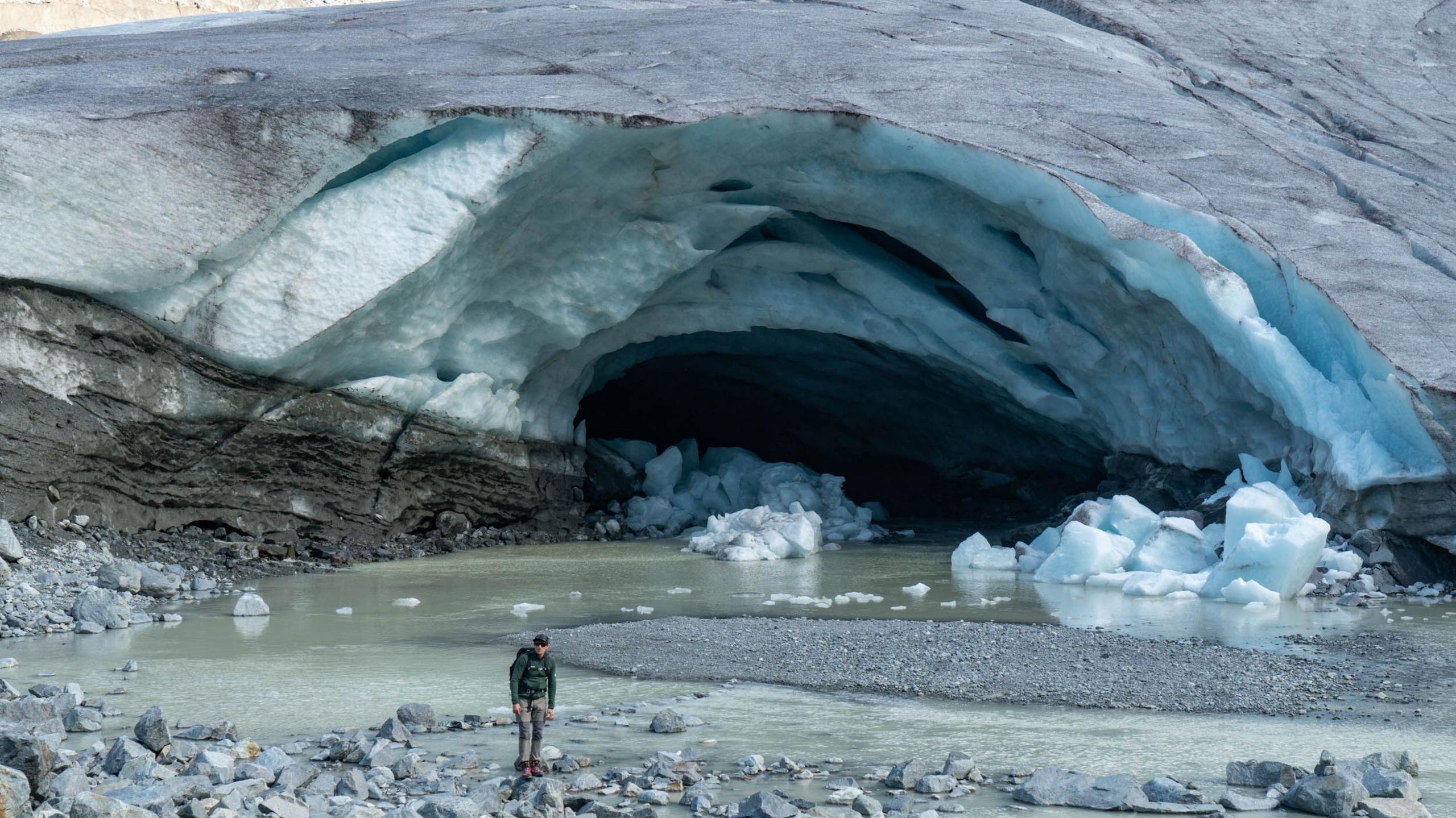
An intensive summer of heatwaves has battered Swiss mountain glaciers, wiping out roughly five percent of the country’s remaining ice in just 12 months – the fastest decline in recorded history.
Scientists warn the loss could jeopardise crops, hydropower, transport routes and flood protection for the next several decades as meltwater reservoirs shrink.
The report, released by Glacier Monitoring Switzerland, shows 5.5 % of glacier ice vanished during 2026, a figure that had only been reached in the 1960s and 1970s. The trend now outruns earlier periods even after a mild winter left less snow on the peaks.

Bare ice is darker and less reflective than fresh snow, so it absorbs more of the Sun’s energy. Heatwaves in May and June exposed the ice, granting the temperature a cheap pass to melt it faster in subsequent storms.
"Ten years ago I wouldn’t have imagined glaciers could shrink this quickly," said Dr Fabien Maussion, a glaciologist at the University of Bristol who was not involved with the Swiss research. He added that what has happened is "extremely distressing… but, from a climate scientist’s view, expected."
Scientists estimate that Swiss glaciers released 2.2 trillion litres of meltwater between July and September, easing pressures on irrigation, energy supply and shipping lanes that rely on the River Rhine. Yet that same melt shrinks the storage that will sustain future water needs.
"Every drop that runs off during these heatwaves is water that had been stored in the ice for centuries," said Dr Matthias Huss, director of Glacier Monitoring Switzerland. “It is comforting now but unsustainable, so we will not have it next time.”
The most alarming finding came from the highest elevations. Even at 3,500 metres, scientists recorded no snow left by summer’s end – four metres of ice loss at the crest of some glaciers. Snow normally accumulates and eventually compacts into new ice; its absence means glaciers cannot replenish mass and will progressively shrink and vanish.
Dr Huss highlighted the importance of quickly cutting emissions: "We can still save or stabilise many of the world’s ice masses, especially in the Himalayas and polar regions, limiting sea‑level rise that would affect billions of people.”
The Swiss situation underlines how fragile mountain glaciers are – not only as a water source but also as a warning flag for the wider climate crisis.