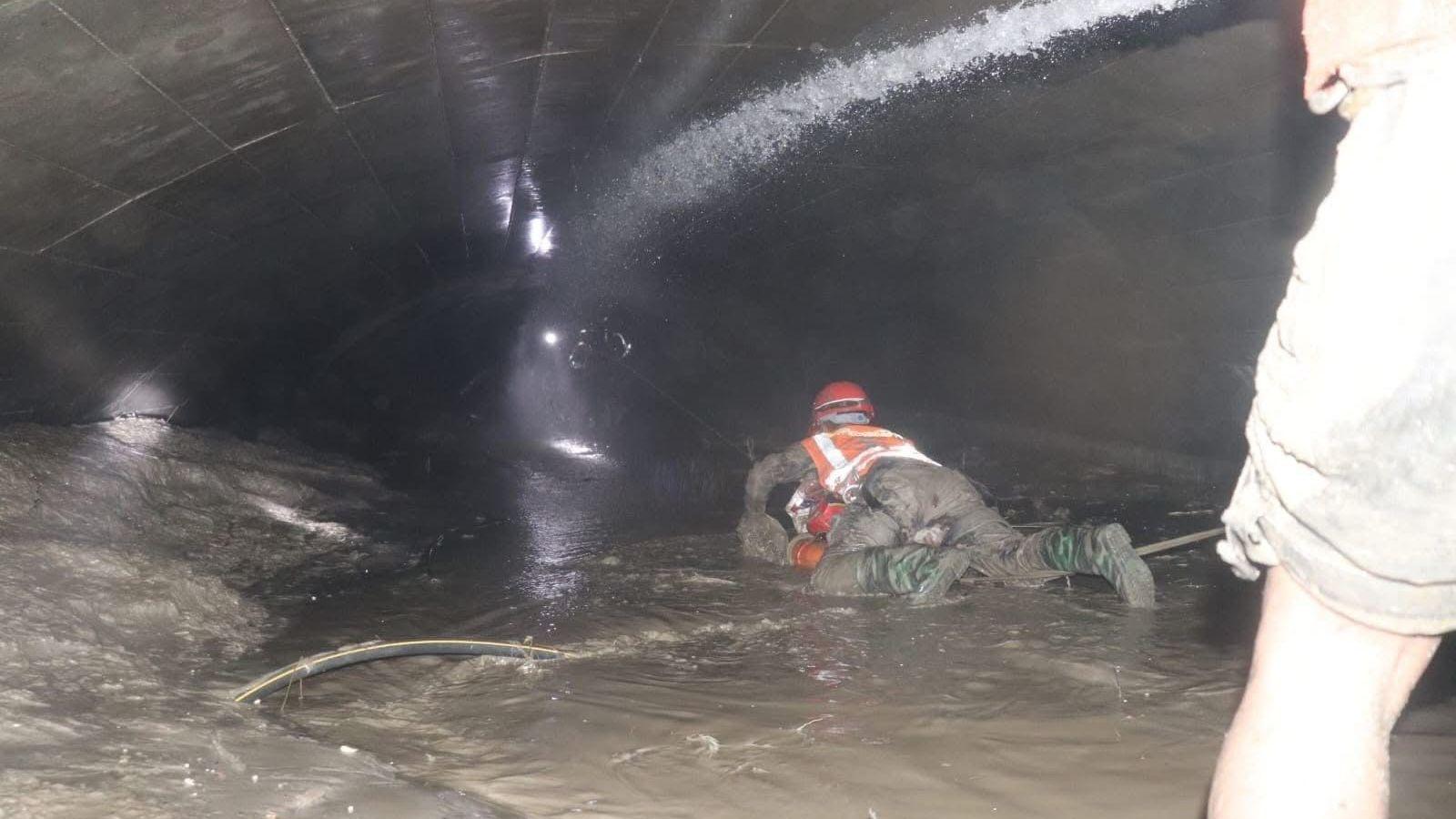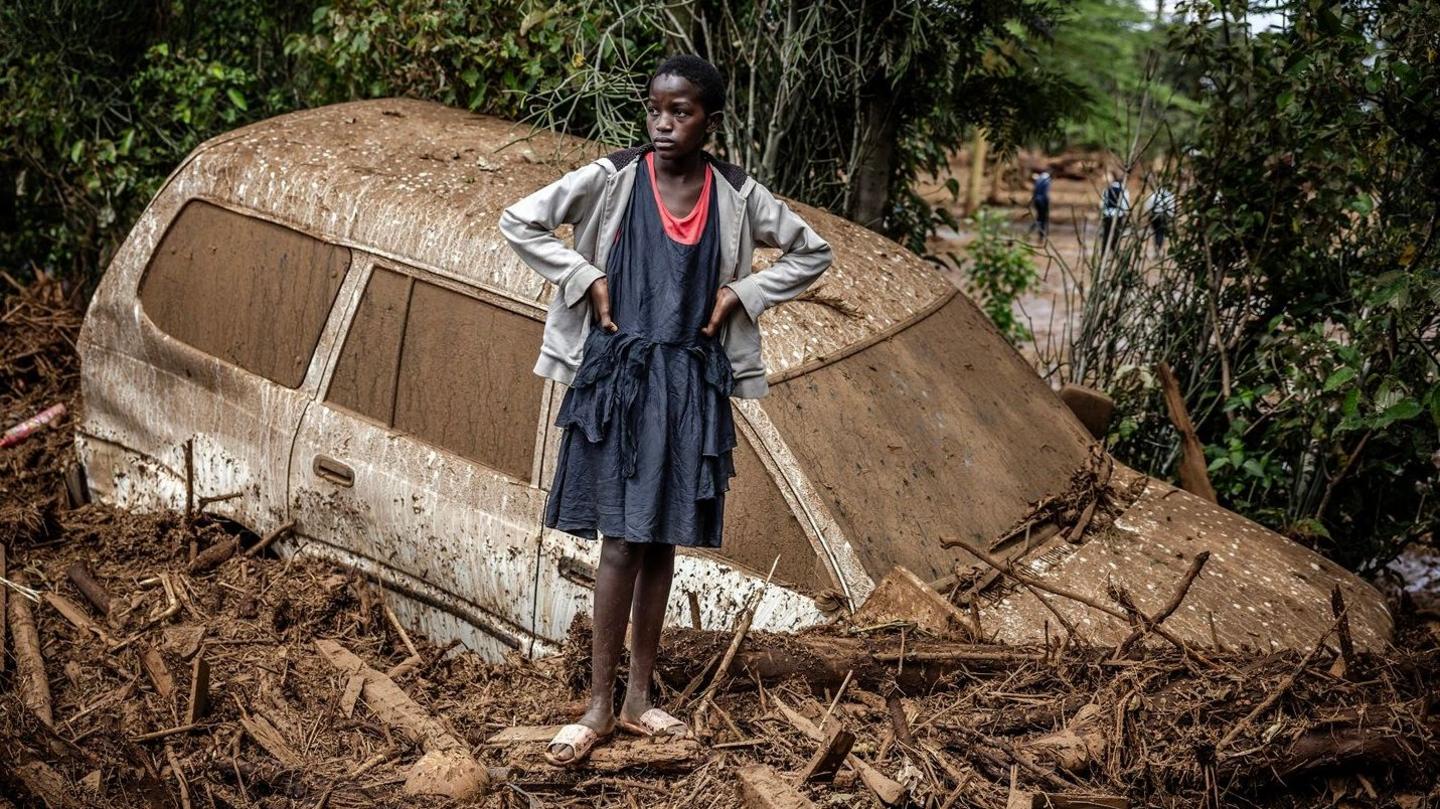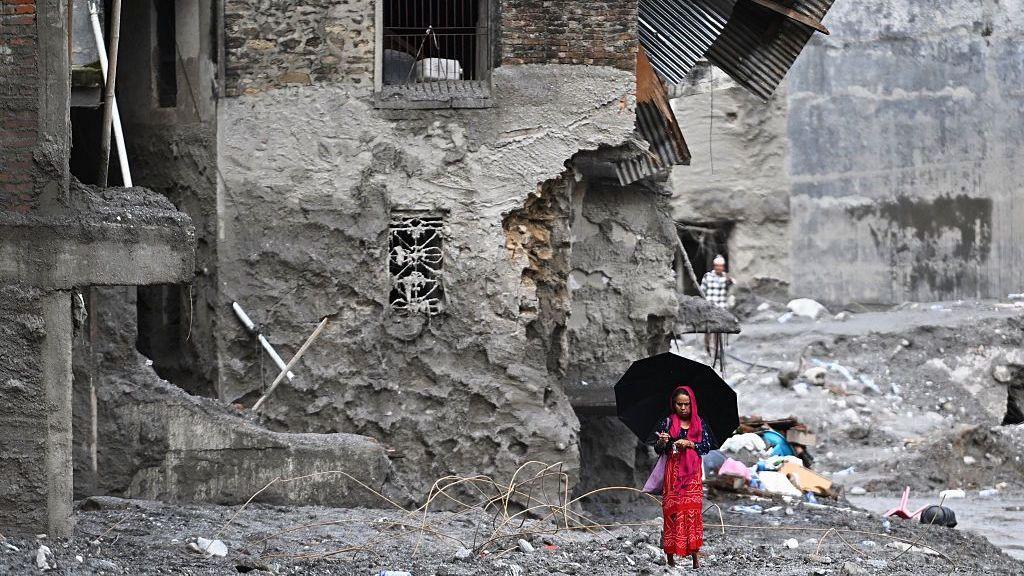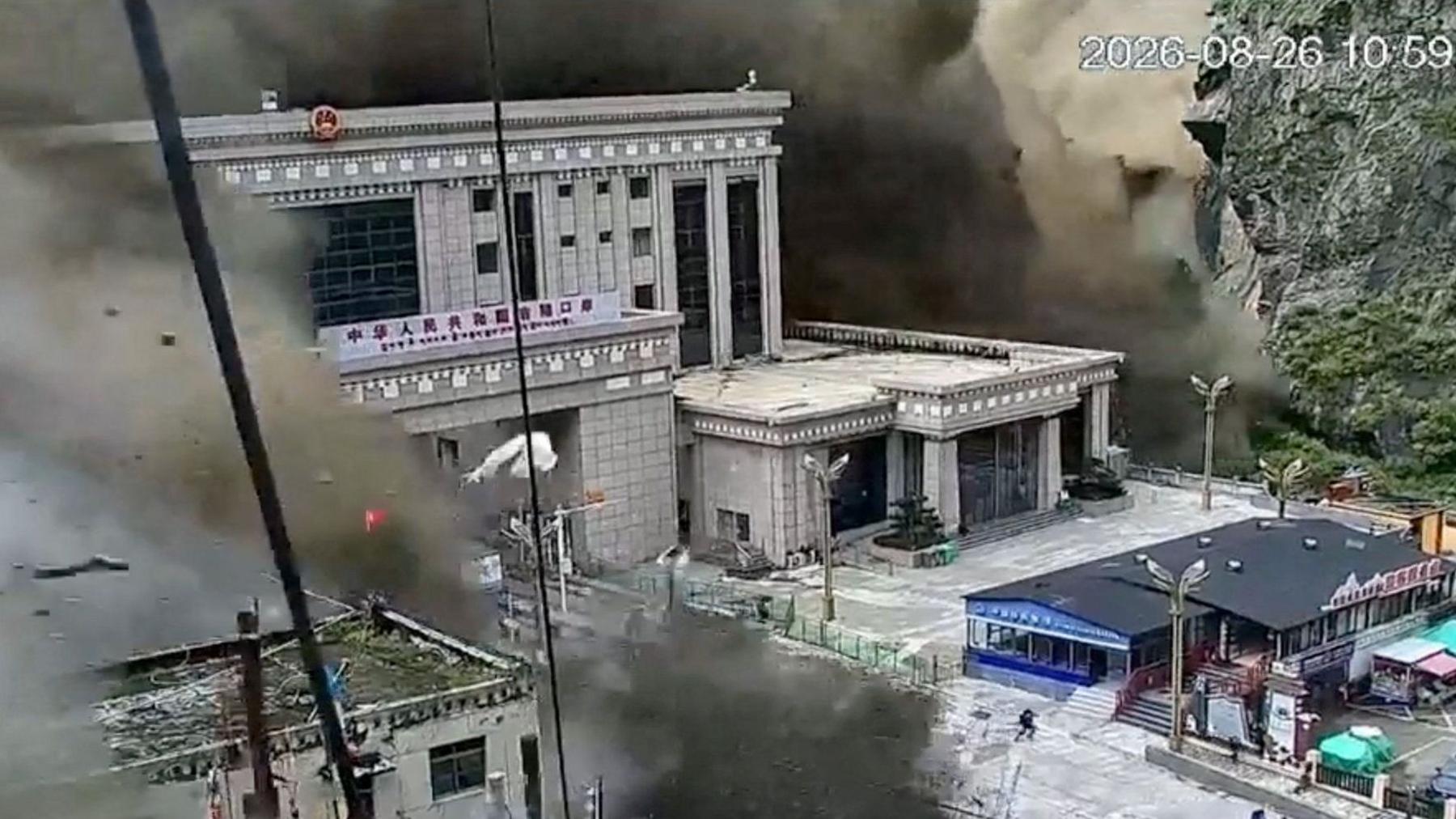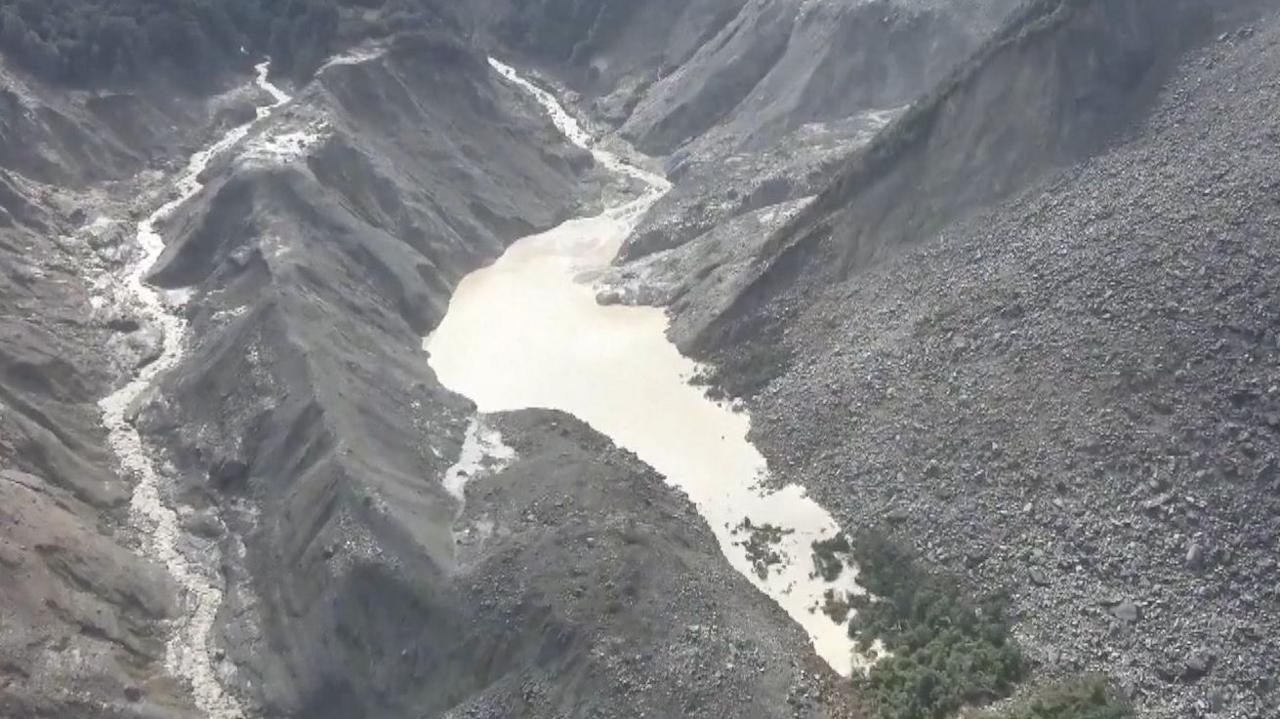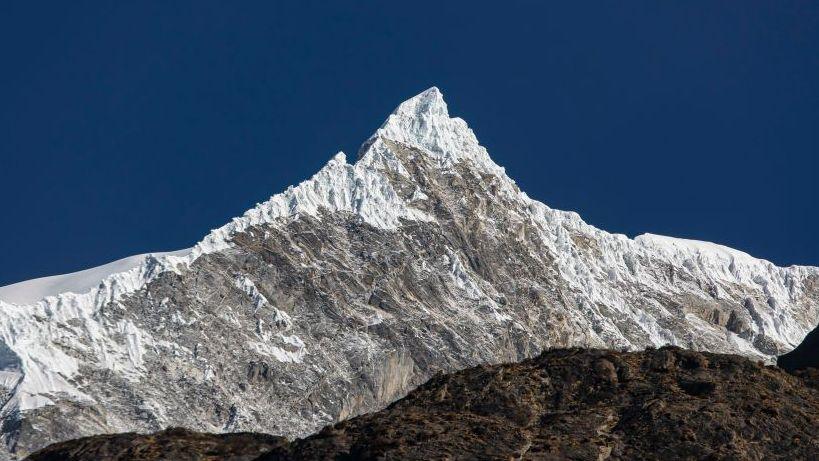
Scientists have identified a collapsed glacier near Langtang Lirung as the cause of the flash flood that killed 177 people on the Nepal‑Tibet border last week.
Initial reports blamed an earthquake, but the U.S. Geological Survey clarified that the disaster was caused by a 'glacial collapse', a sudden disintegration of ice and rock that produced a 5.2‑magnitude shock.
The collapse, centered in the valley west of Langtang Lirung, propagated northwest and downstream, sending a surge of ice, rock debris and water into the channel, raising river levels by 7–9 metres in just 30 minutes.
ICIMOD’s analysis indicates the event was triggered by an ice‑rock avalanche from the high‑altitude zone, stressing how rapidly melting Himalayan ice can provide a new source of flood hazard.
Scientists warn that warming temperatures are intensifying glacier melt and permafrost degradation, destabilising mountain slopes and leading to more landslides, glacial lake outbursts and collapses. A 2021 incident in India reflected similar devastation, with an impact comparable to 15 atomic bombs.
The disaster underscores the urgent need for better monitoring and adaptive strategies to safeguard communities in the Himalayas from climate‑driven hazards.