In brief
A catastrophic flash flood along the Nepal‑Tibet border has killed more than 1,100 people in Nepal and left nearly 4,000 missing, with 500+ missing on the Tibetan side. Rescue crews struggle to reach survivors in remote valleys and hydro‑electric tunnels, while the UN and UN agencies shift focus to relief and recovery. Heavy machinery and drones are clearing debris to open the Gyirong border crossing, but more than 40 bridges have been destroyed. Himalayan communities are at risk of disease as they rely on overcrowded shelters and disrupted water supplies. Nepal’s government and the UN have launched a four‑month flash appeal to provide medical, psychological and humanitarian aid.
Thousands Missing as Nepal‑Tibet Flood Response Ramps Up
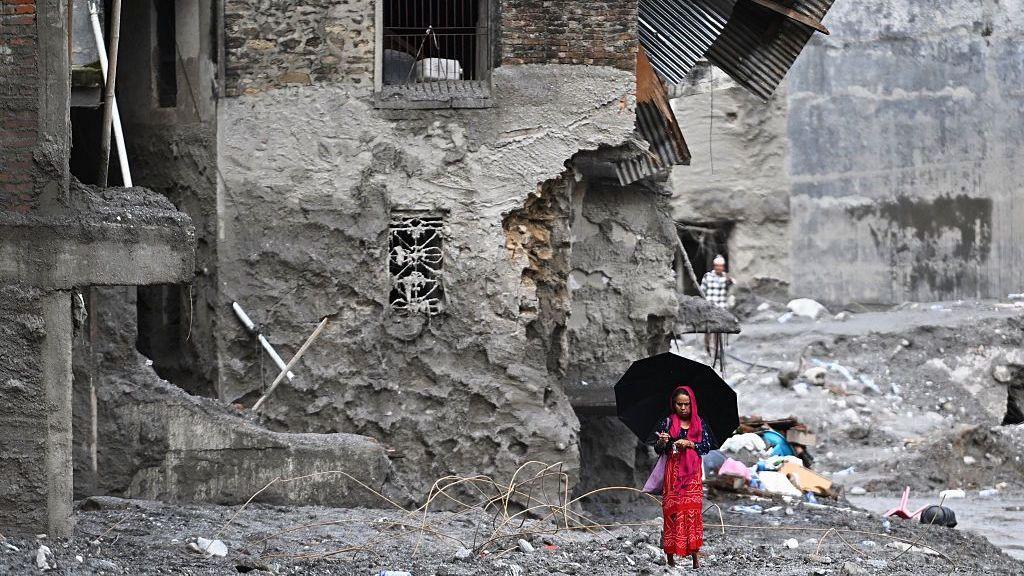
On August 26 a massive flash flood, likely triggered by a glacial collapse, swept through a Himalayan valley along the Nepal‑Tibet border, destroying villages and trapping people in dangerous tunnels. The disaster has killed more than 1,100 people in Nepal and left almost 4,000 missing. The Tibetan side reports 16 deaths and more than 500 missing, according to Chinese state media.
The UN humanitarian agency has announced a new phase of the crisis, with authorities intensifying relief and recovery operations. In Nepal, rescue teams are searching for workers trapped in hydroelectric station tunnels, while efforts in Tibet continue under tight state media control. Heavy machinery and drones are being used to clear debris and reopen the Gyirong border crossing, a move that will accelerate the search for the missing.
More than 40 bridges destroyed by the flood are hampering access to the most remote communities. The UN notes that many villages rely on army‑helimed supplies for basic needs, but shortages of fuel and electricity, combined with contaminated water in overcrowded shelters, put residents at increased risk of disease during the monsoon season.
In response, Nepal’s Prime Minister Balendra Shah prioritised protecting survivors, providing medical treatment and psychological counselling. The government and the UN have agreed to launch a four‑month humanitarian flash appeal to address the crisis and support the thousands displaced by the flooding.