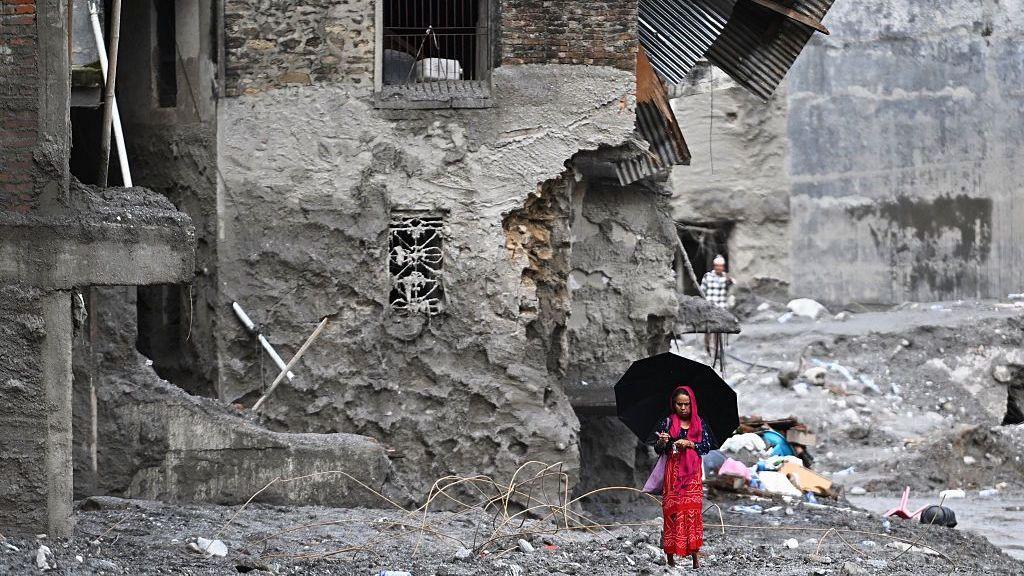
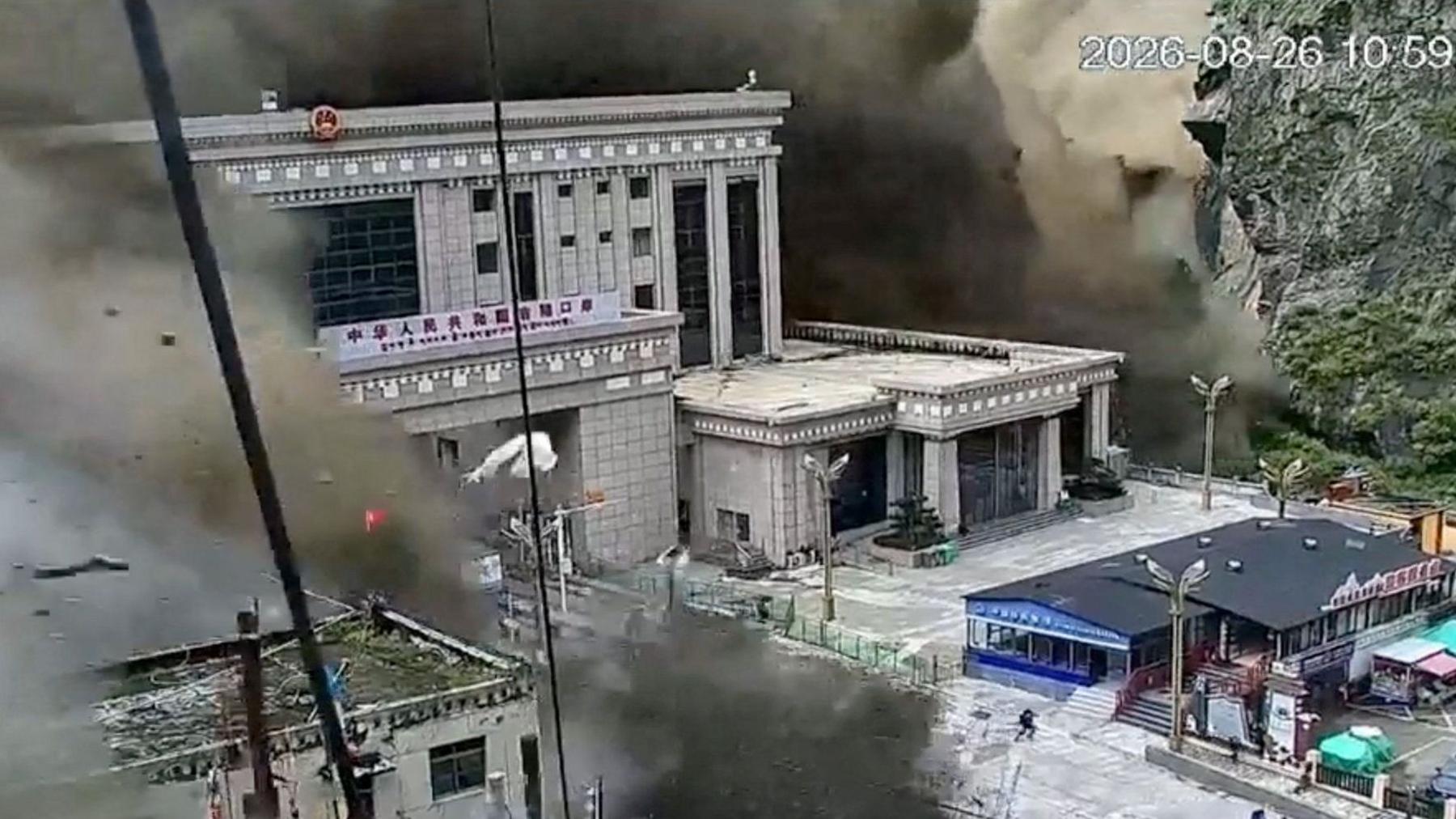
The video captured at 10:59:53 a.m. local time shows a black wall erupting from behind buildings at Gyirong, the Chinese side of the Nepal‑Tibet border. Within seconds it transforms into a wall of water, mud, boulders and ice, racing down the valley and demolishing the border complex.
For the Nepalese side, the last immigration transaction at 8:35:03 a.m. (10:52 a.m. Tibet time) occurred less than ten minutes before the torrent tore through. Four immigration officials, including the office head, went missing; the head’s body was found downstream days later.
At the time the flood struck, about 300–400 people were queued at Ghatte Khola waiting to cross—chiefly Indians, Nepalis, Chinese nationals, and pilgrims heading to Mount Kailash. Indian diplomats later reported that more than 100 Indians were at the crossing, yet 275 Indians remain missing, according to the Indian Foreign Ministry.
Hydrologist Ajay Dixit describes the area as geologically vulnerable: steep rivers filled with sediment and large boulders that can suddenly shift. A collapse of a glacier‑breach was identified by seismic instruments at 8:37 a.m., triggering the mudslide that reached the border in about seven minutes.
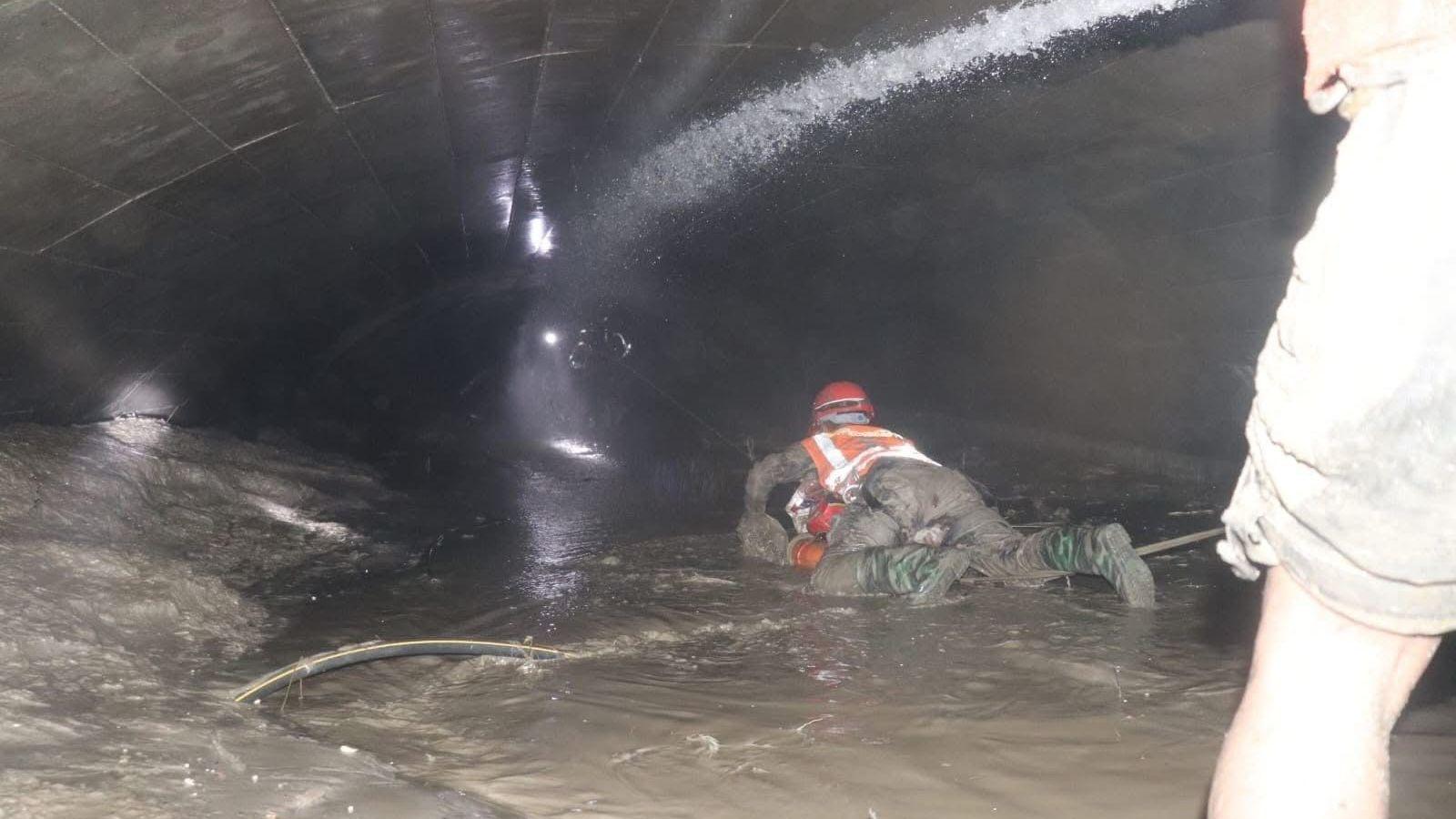
The flood obliterated the Friendship Bridge, flood‑damaged roads, a hydropower substation, and several vehicles. Rescue teams arrived on 28 August; one spokesperson described the scene as “nothing but ruins.”
The Gyirong crossing is a major artery for Nepal‑China trade, moving an estimated 60–70 trucks daily—around 80% of Nepal’s electric‑vehicle imports from China. Its closure has forced Nepal to rely more heavily on the Tatopani point, which itself has faced repeated landslide threats.
Officials urge that Nepal develop additional trade routes and reconsider the concentration of hydropower projects along this river system. Meanwhile, survivors and families face the grim task of searching for missing relatives amid the wreckage.

Rescue operations continue as officials, expatriate communities, and international agencies work to locate survivors and assess damage. The flood’s suddenness, combined with the region’s recurring risk, highlights the need for stronger early‑warning systems and infrastructure resilience along this vital border.